Pest guide
Carpet beetles: signs, treatment and prevention
Larvae, damage and where they hide.
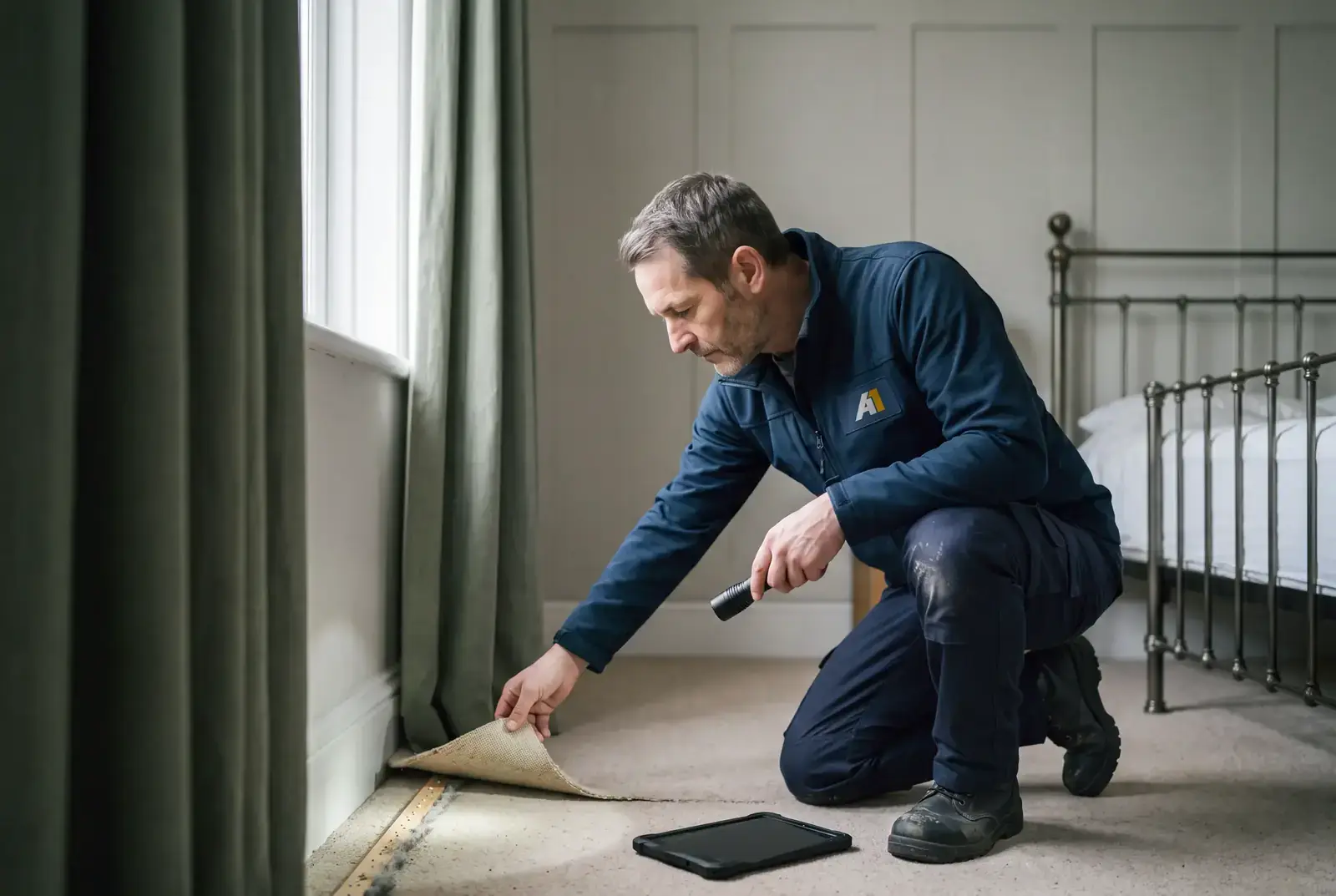
Carpet beetles show up as small round beetles with a mottled pattern on window sills in spring, and as hairy brown larvae, called woolly bears, in carpets, wardrobes and airing cupboards. The larvae leave small clean holes in wool and natural fabrics. A1 Pest Control treats carpet beetles by finding the source, treating the affected areas and advising on prevention.
What signs should I look for?
Most people find the adult beetles first, at a window. The damage is done by the larvae, out of sight.
- Adult beetles at windows: tiny round beetles, 1.5 to 3.5 mm, with a pattern of white, orange and black, on window sills from spring to summer as they try to get outside to feed on flowers.
- Woolly bear larvae: small, oval, brown and hairy, about 4 mm long, with tufts of hairs at the tail, crawling in carpet, under furniture, in wardrobes and in airing cupboards.
- Shed skins: light, hollow brown husks the shape of the larva, often the most obvious sign.
- Small clean holes: neat holes in woollen clothes, blankets, carpet edges and upholstery, without the silk webbing that clothes moths leave.
- Fine dust: powdery droppings near the damage.
- Bare carpet along skirting boards: thinning pile at the edges of the room, where larvae feed on fluff and dead insects as well as the carpet.
Which carpet beetle?
The Natural History Museum lists three species as the most common pests in UK homes:
- Varied carpet beetle: the most common, a long-established native species, more common in London and the southern counties. It also lives in birds’ nests.
- Two-spot carpet beetle (fur beetle): 4.5 to 6 mm, dark with two white spots, found in older houses with birds’ nests in the roof.
- Brown carpet beetle: a more recent arrival in the UK.
Why are they a problem?
Carpet beetle larvae eat keratin and other animal material, the same diet as clothes moth larvae, so they attack wool carpets, rugs, clothes, blankets, fur, feathers, silk and skins. They also eat dead insects, fluff and pet hair, which lets them live on very little in the gaps between floorboards and behind skirting boards.
Slow damage, hard to spot
Indoors, the life cycle can take a year, and the larvae rest through the winter before feeding again. They stay out of sight in undisturbed places, so the damage builds up for months before anyone notices it. They will not eat 100% synthetic fabrics, but blends are at risk.
The source is often a bird’s nest
Old birds’ nests in lofts and eaves are a common source. The larvae feed on feathers and debris in the nest, and the adults move down into the house. Treating the bedroom carpet alone will not stop them if the nest is still there.
Collections and businesses
Carpet beetles are a well-known pest of museums, historic houses, natural history collections and textile stores. Hotels, care homes and rented properties with wool carpets and stored linen can also lose stock to them.
How do we get rid of them?
- Find the source. The technician checks the affected rooms, the loft, eaves and chimney breasts for birds’ nests, and stored textiles, to find where the larvae are breeding.
- Remove the source. We advise removing old birds’ nests from the loft (outside the nesting season, as active wild bird nests are protected) and clearing debris where larvae feed.
- Treat affected areas. We spray carpet edges, under furniture, between floorboards, wardrobes and the loft with an insecticide suited to textiles and wood, after you have vacuumed.
- Treat your belongings. Wash what can be washed, dry clean what cannot, and put small items in a sealed bag in the freezer for a few days.
Homes and business premises
For homes
Carpet beetles are common in homes across the south of England, and finding a few adults at a window in spring does not always mean a large problem. We find where the larvae are feeding, treat the rooms and loft that need it, and give you a fixed price before any work starts.
For businesses
For museums, historic houses, hotels, care homes, letting agents and textile stores we survey the building, set up insect monitoring, treat affected areas and report findings, so you can show how you protect collections and stock. See property management and commercial pest control.
How do I stop them coming back?
- Vacuum along skirting boards, under furniture, in wardrobes and between floorboards, and empty the vacuum outside.
- Remove old birds’ nests from lofts and eaves outside the nesting season, and block the gaps the birds used.
- Store woollens, blankets and furs clean, in sealed plastic bags or boxes.
- Check stored textiles, rugs and upholstered furniture a few times a year.
- Clear dead insects from window sills, lofts and light fittings, which larvae feed on.
- Bring cut flowers in with care in spring, because adult beetles feed on pollen and can come in on them.
For a full guide, read how to identify and prevent carpet beetle infestations.
How much does treatment cost?
Carpet beetle treatment, by the size of the property:
- Spray treatment: £195 for 1 bedroom, £245 for 2, £295 for 3, £345 for 4 to 5
- Steam and spray treatment: £245 for 1 bedroom, £295 for 2, £345 for 3, £395 for 4 to 5
A spray revisit costs £110, £155, £200 or £245, and a steam and spray revisit £160, £205, £255 or £305, by the same sizes. Weekend visits cost £60 extra.
Your questions, answered.
How do I know if I have carpet beetles?
Look for tiny round beetles with a white, orange and black pattern on window sills in spring and summer, and small hairy brown larvae, called woolly bears, in carpets, wardrobes and airing cupboards. Empty skins that look like brown husks and small clean holes in wool, without silk webbing, are the other signs. Check under furniture and along skirting boards.
Is it carpet beetles or bed bugs?
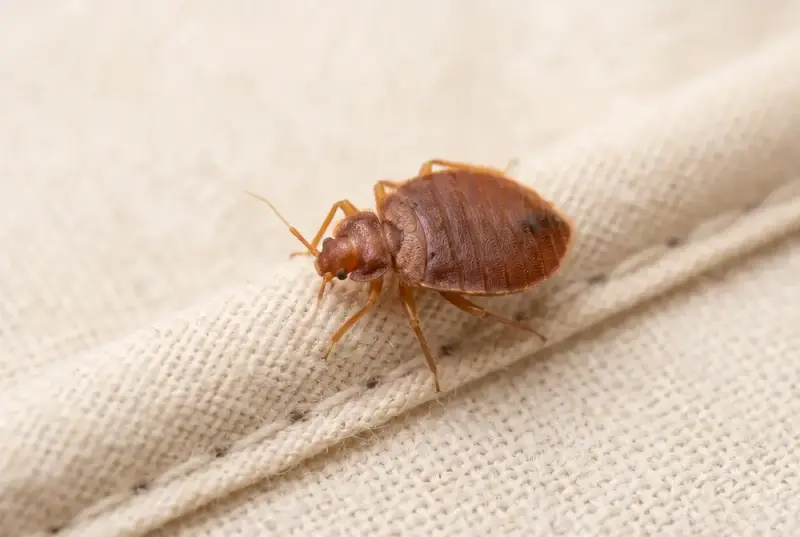
Bed bugs are flat, oval, reddish brown and live in and around the bed, where they bite people at night and leave blood spots. Carpet beetle larvae are hairy, slow and live in carpets, wardrobes and fluff, and they do not feed on blood. Adult carpet beetles are round and patterned and turn up at windows. If you find bites with blood spots on the sheets, see our bed bug page.
Do carpet beetles bite?
No, carpet beetles do not bite and do not feed on blood. Some people get an itchy rash after touching the larvae, which is caused by the fine hairs on their bodies rather than a bite. If you have an itchy rash and cannot find a cause, speak to a pharmacist or GP, and look for larvae and shed skins in the bed and bedroom.
Where do carpet beetles come from?
Adult carpet beetles fly in through windows in spring and summer, often after feeding on flowers outside, and lay their eggs on wool, fur, feathers or fluff indoors. Old birds’ nests in lofts and eaves are a common source, because the larvae feed on the feathers. They can also arrive in second-hand furniture, rugs and stored textiles.
Can I get rid of carpet beetles myself?
A small problem often responds to weekly vacuuming along edges and under furniture, washing or freezing affected textiles, and clearing dead insects from window sills. If you keep finding larvae or new damage after a few weeks, or the source is a bird’s nest in the loft, a professional treatment of the rooms and loft is the next step.
Are carpet beetles the same as carpet moths?
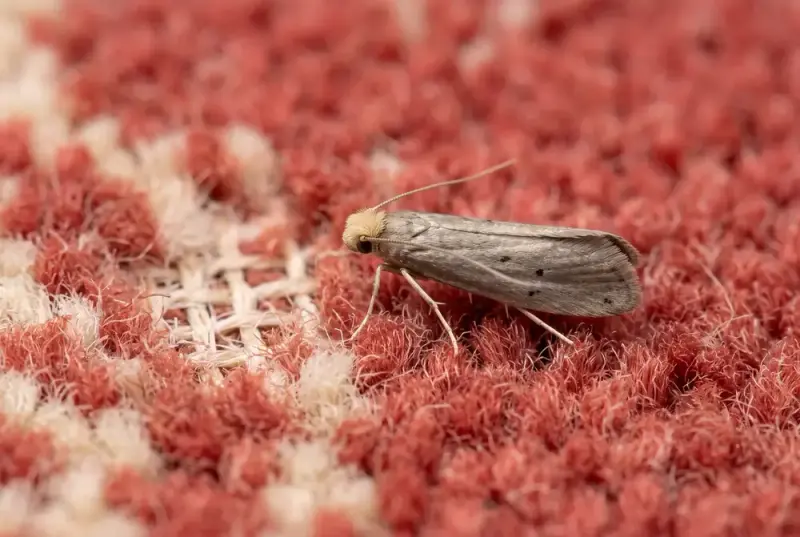
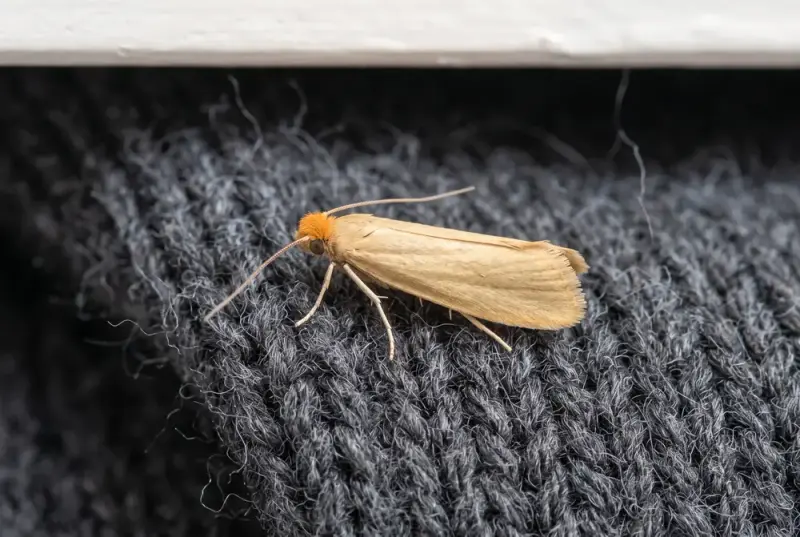
No. Carpet beetles are beetles and carpet moths are clothes moths, but their larvae eat the same natural fibres. Moth larvae are cream caterpillars that leave silk webbing. Beetle larvae are brown and hairy and leave shed skins and clean holes. The treatment is similar, but finding the source, such as a bird’s nest, matters more with beetles.
Carpet beetle removal near you
Tell us what's happening.
Share your postcode and the signs you have noticed.