Sectors
Pest control for Food premises
Kitchens, preparation and storage areas, production units.
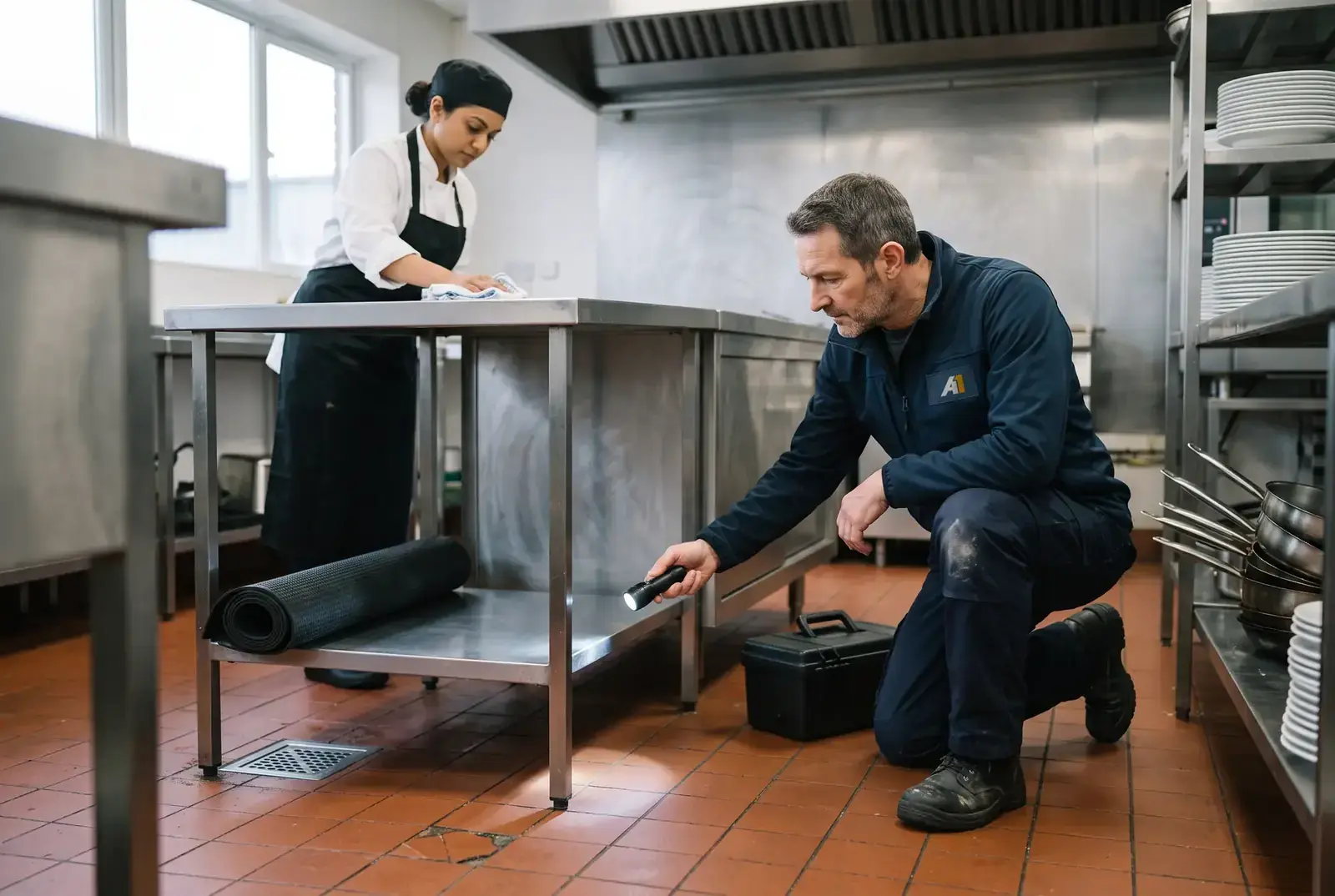
Food businesses must be able to show an environmental health officer that pests are controlled and documented. An A1 food-premises contract gives you scheduled inspections, monitoring stations, proofing advice, treatment when needed and a report after every visit that slots into your HACCP or Safer Food Better Business records.
Common pests
Which pests are the biggest risk?
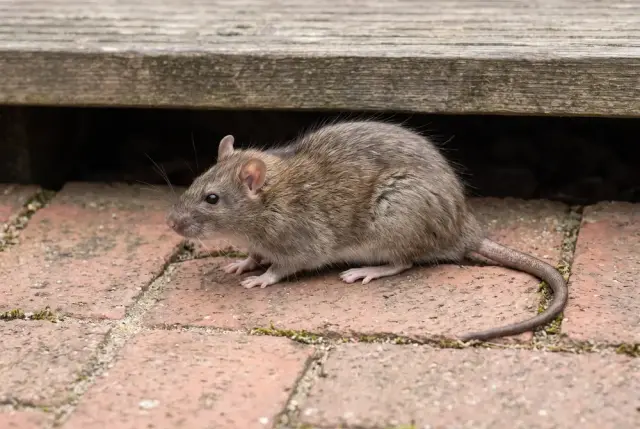
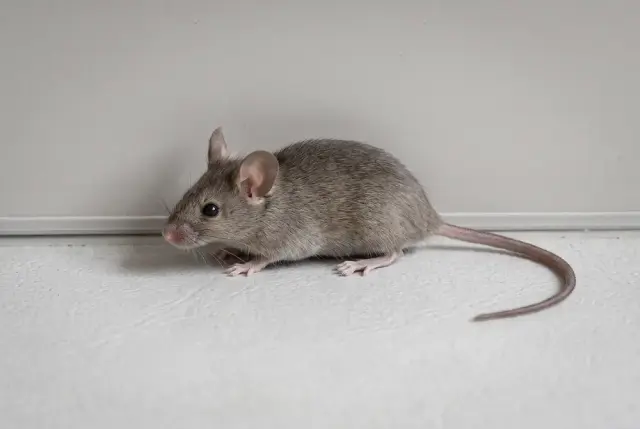
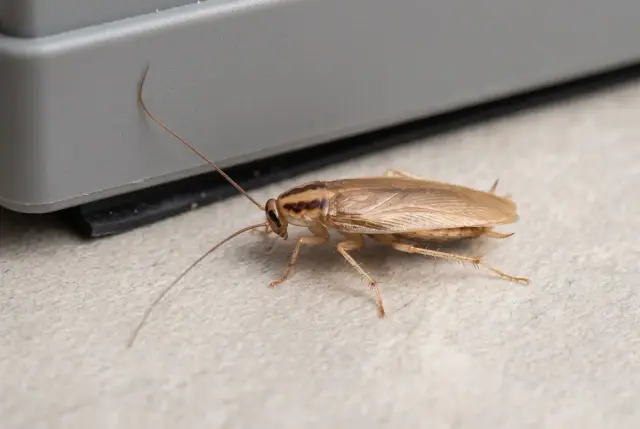
What does a pest control contract include?
Each contract starts with a site inspection and a written risk assessment. The technician checks the kitchen, stores, bin area, delivery door and ceiling voids, and marks each monitoring point on a site plan.
- Inspection schedule. Routine visits to check each monitoring point and entry route, plus extra visits when we find activity.
- Monitoring. Bait stations and traps for rodents, and insect monitors in kitchens and stores, each numbered on the site plan.
- Treatment. Targeted treatment of any rats, mice or cockroaches we find, with methods chosen for a food setting.
- Proofing. We show you the gaps, drains, door seals and pipe runs that let pests in, and how to close them.
- Documentation. A written report after each visit covering findings, treatments, products used, proofing recommendations and photos.
- Staff briefing. A short talk with your team on what to look for and record between visits.
Running more than one kitchen? See how commercial pest control contracts work across several sites.
What will an auditor or inspector expect to see?
An environmental health officer looks for proof that you control pests as a routine. UK food hygiene law requires food businesses to have “adequate procedures” to control pests (Regulation 852/2004, Annex II, Chapter IX). At an inspection the officer scores the physical condition of your premises, and the Food Standards Agency lists pest control as part of that score.
Keep these in your pest control folder:
- the current contract and risk assessment
- a site plan showing each numbered bait station and insect monitor
- a report for each visit, with the products used
- a log of sightings your staff record between visits
- corrective actions with dates, such as a door seal replaced or a drain cover fitted
How does this fit HACCP and Safer Food Better Business?
Your food safety management system must follow the HACCP principles, which include keeping records of your checks and of how you put problems right. If you use the FSA’s Safer food, better business pack, its pest control safe method asks you to check the premises for signs of pests, check deliveries and keep outside areas tidy. Our visit reports and your sightings log give you the written evidence for both.
More about pest control for Food premises
What should staff do if they see a pest?
- Cover open food or move it away from the area, and throw away anything that may be contaminated.
- Take a photo if you can, and note the time and place in the sightings log.
- Leave bait stations and monitors where they are.
- Call us so a technician can check the area and record the visit.
What about flies and stored-product insects?
Flies, and the beetles and moths found in flour and dried goods, are a food-safety risk too. Ants can also reach food areas: read our guide to ant treatment.
Your questions, answered.
Does the law require a food business to have a pest control contract?
The law asks for adequate procedures to control pests and does not name a contractor. The FSA’s Safer food, better business pack lists a pest control contractor as one option. A contract with documented visits is the simplest way to show an environmental health officer that your procedures work, because the reports, site plan and sightings log sit in one folder.
Can pests affect our food hygiene rating?
Yes. The local authority food safety officer scores three areas, and one of them is the physical condition of the business, which the Food Standards Agency says includes pest control. Droppings, gnaw marks or live insects in a kitchen count against you there, and a low rating means you must make urgent or major improvements. Routine visits help you find and fix problems before an inspection.
Are your treatments safe to use in a kitchen?
We choose the lowest-risk method that will work in a food setting and explain any precautions before we start. Each visit report lists the products used and where they were placed, so your team and an inspector can see what is on site. Professional users of rodent bait in Great Britain must follow a UK rodenticide stewardship scheme, which HSE oversees.
Get in touch
Let's talk about your sector.
Tell us about your premises and what you need. We'll get back to discuss the right approach for your business.