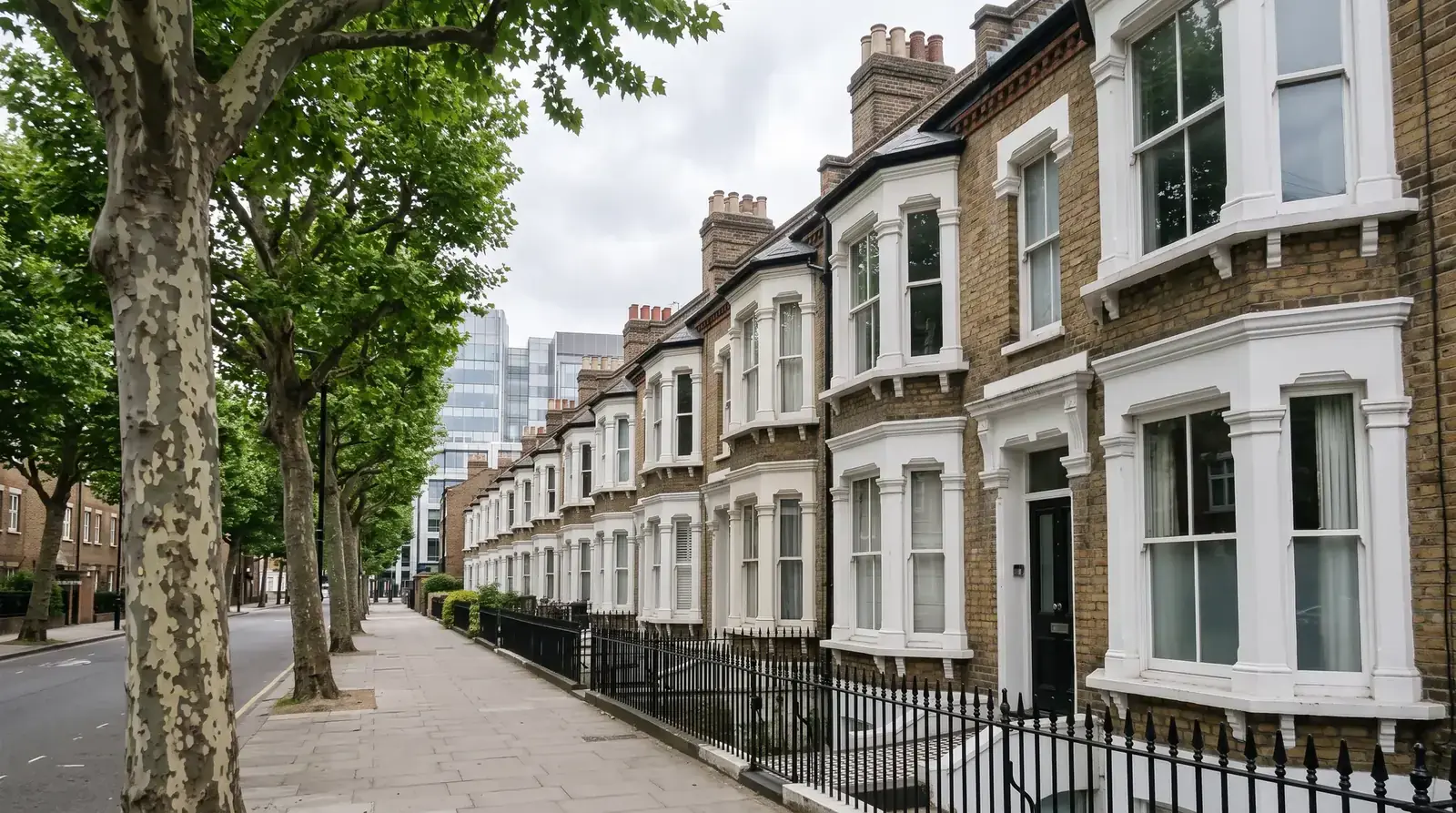
Pest control in Putney
In Putney, A1 Pest Control handles pest control for homes and businesses alike. About 22,060 households live in the East Putney, West Putney and Thamesfield wards; 50 per cent are in purpose-built flats and 37 per cent rent in the private sector (ONS, Census 2021). Wandsworth had about 1,215 food and drink sites in March 2026 (ONS business counts). In SW15, a restaurant, shop or club that gets in touch should send its postcode, the type of premises and what it has found.
Which pests do we treat in Putney?
Starting prices
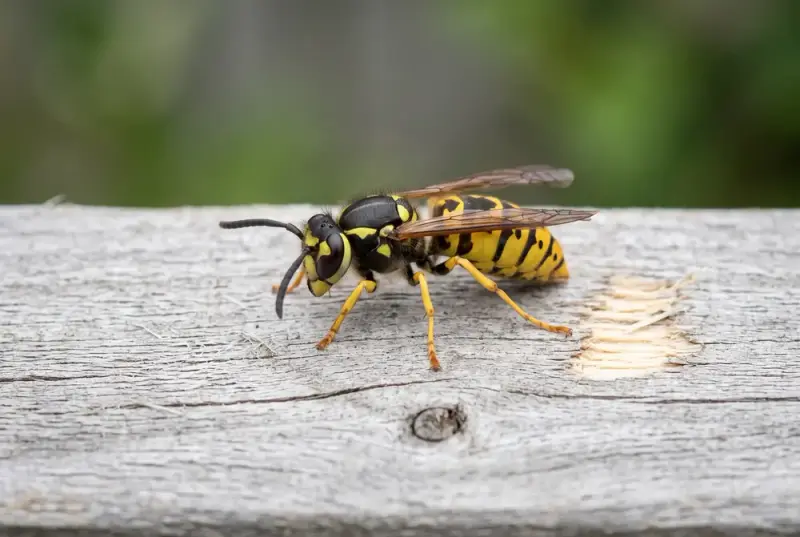
Wasp nest
from £170
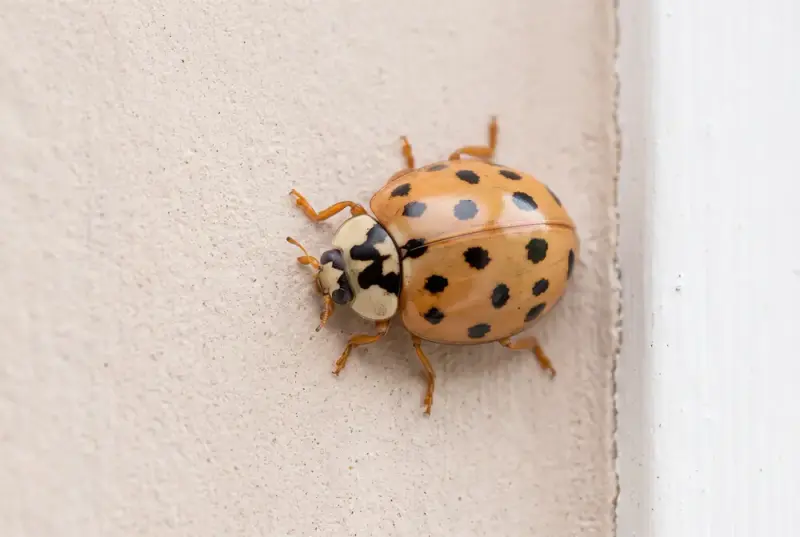
Ladybirds
from £190
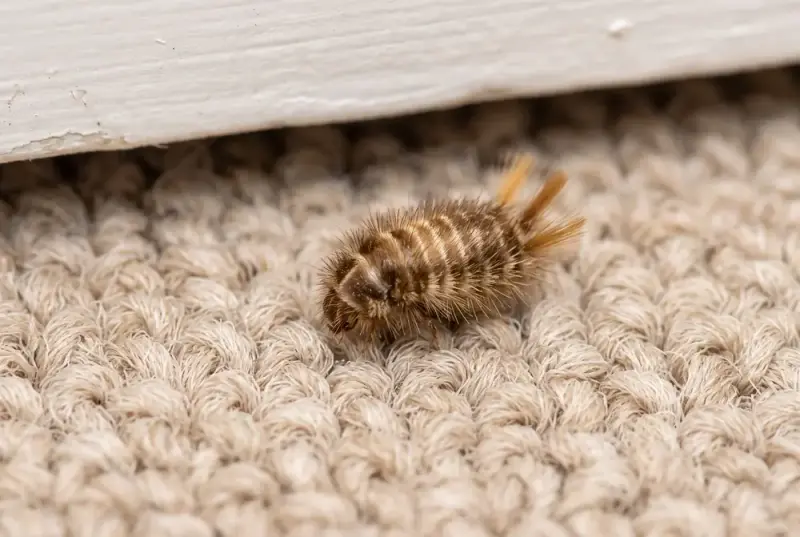
Carpet beetles and biscuit beetles
from £195
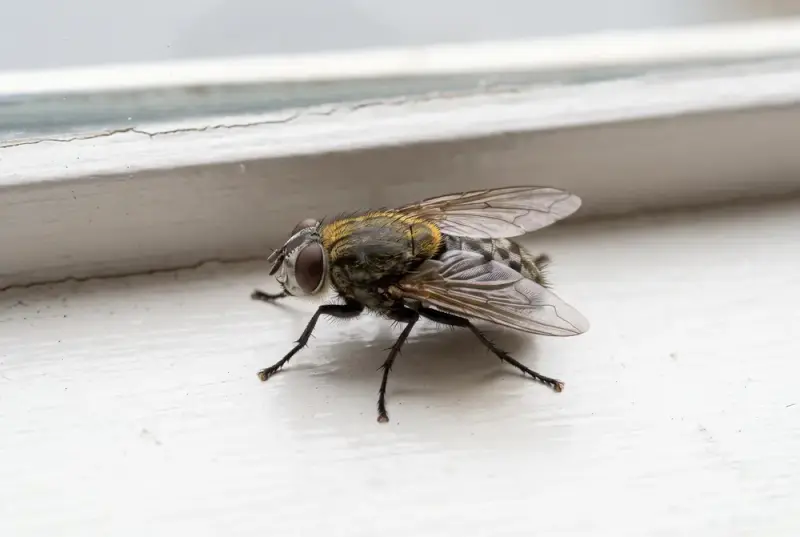
Cluster flies
from £200
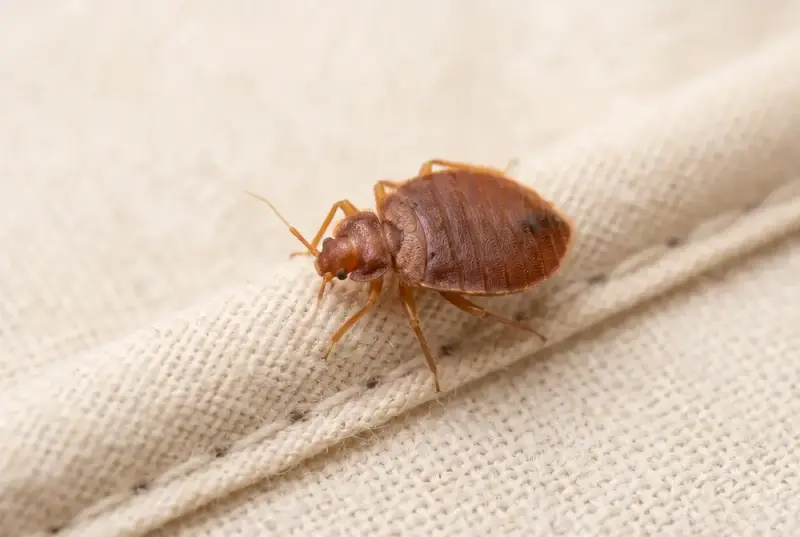
Bed bugs, fleas, mites and moths
from £210
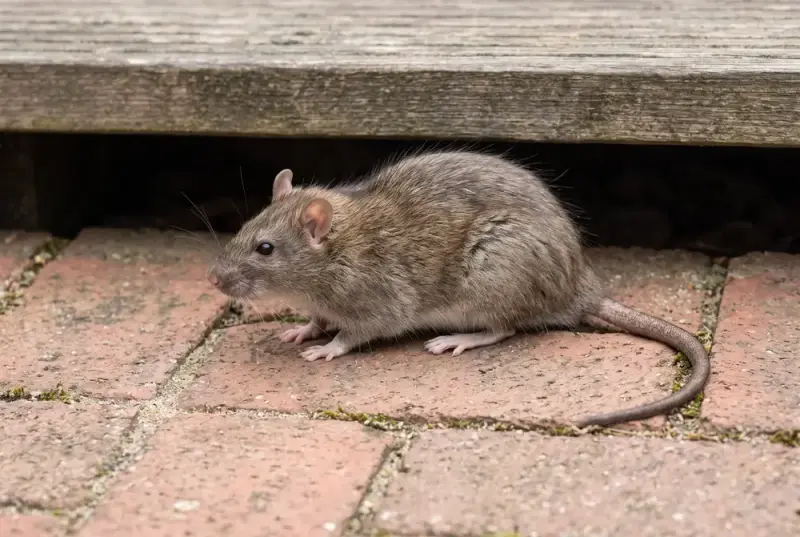
Rats, mice, squirrels and ants
from £240
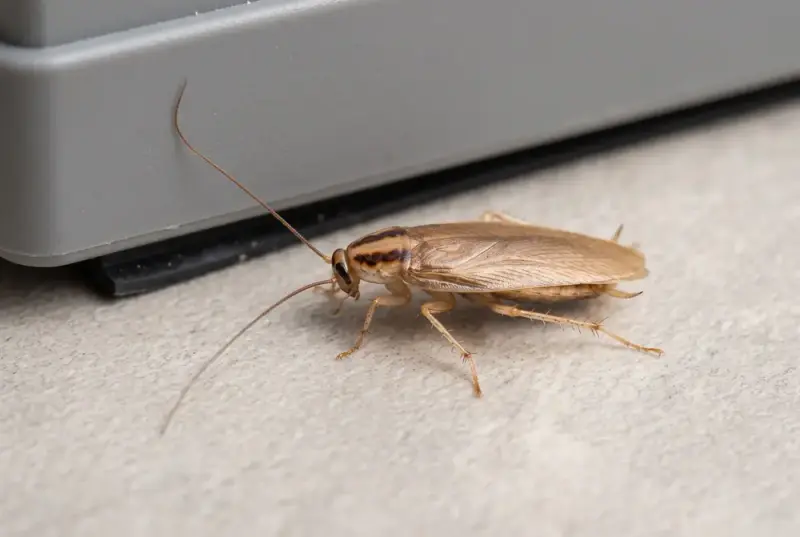
Cockroaches
£550 for five weekly visits
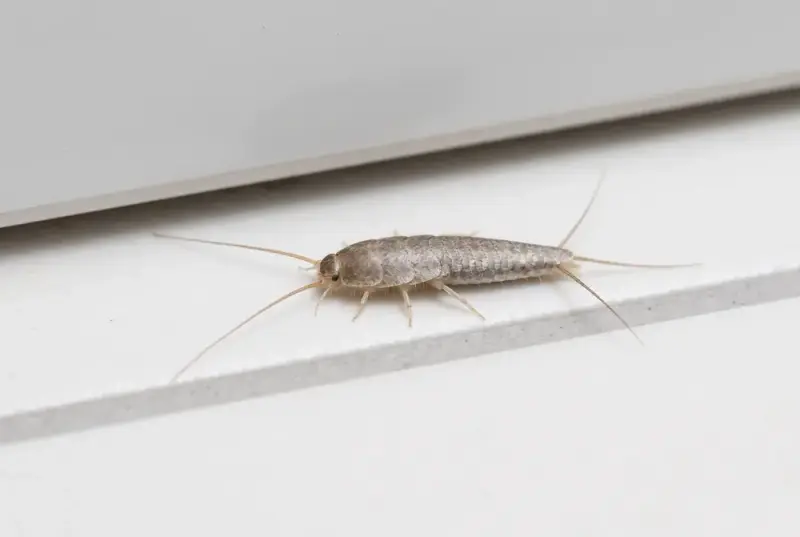
Silverfish
priced after the technician's inspection
Bed bug, flea, mite, moth and beetle prices rise with the number of bedrooms. For bed bugs, fleas, mites and cockroaches we send a preparation sheet first and visit once your home is ready. Evening and weekend visits are available on request, and a weekend visit costs £60 extra. Business sites are priced per site.
Local notes for Putney
Postcodes and areas
SW15 takes in the East Putney, West Putney, Thamesfield, West Hill and Roehampton wards. Not every SW15 address is in the same borough, since the postcode also reaches Kingston upon Thames and Richmond upon Thames. Putney Bridge tube station sits across the river in Fulham.
Flats and tenants
Terraced houses, converted or shared houses and semi-detached houses hold 19, 16 and 9 per cent of households respectively in the three Putney wards. Against 48 per cent of homes owned, private landlords let 37 per cent and social landlords 13 per cent (ONS, Census 2021).
Bridge, rowing clubs and the Tideway
The first permanent bridge between Putney and Fulham opened in 1729 as the second bridge over the Thames in London, London Bridge having come first, and the stone bridge replaced the wooden one in 1886. The Championship Course for the Boat Race was first used in 1845, and the start stone sits on Putney Embankment just upstream of the bridge (The Boat Race). Site types differ in what they need, and the pages for food premises, retail and hospitality and education and community sites go through each.
Wandsworth Council’s position
The council’s pest control page lists pests it does not treat, such as honey bees and bumble bees.
Your questions, answered.
Do you treat shared stairs and bin areas in Putney flats?
Many Putney homes are flats: 50 per cent of households in the three wards live in purpose-built flats, so a pest problem can sit in shared areas such as staircases, lifts, bin areas and communal gardens. Block managers can send us the SW15 postcode, the type of premises and what they have found. Council tenants should tell their Housing area team about pests.
Can rats reach a Putney building through a drain?
Rats can enter a building through the drainage system. Send us your SW15 postcode, the type of premises and what you have found, and we will say what we can offer.
I rent in Putney and found mice. Who pays for treatment?
Wandsworth Council says that if the infestation is recent and you have lived in the property for some time, arranging treatment would be your responsibility in most cases. If clear defects in the structure of the property caused the infestation, it says it would expect your landlord to arrange the treatment and the proofing work. The page gives this advice for private tenants.
What are oak processionary caterpillars, and what should I do?
Wandsworth Council says they emerge in spring from nests in oak trees, and their tiny hairs can cause itchy, painful rashes and irritate the eyes and throat. Do not touch them or their nests. The NHS says to wash clothes at a high temperature and lift stray hairs off skin with sticky tape.
Does a pest sighting affect a Putney café’s food hygiene rating?
The Food Standards Agency says a local authority food safety officer inspects and gives a rating from 0 to 5 as a snapshot. The officer checks how food is handled, the physical condition of the business, including cleanliness, layout, lighting, ventilation and pest control, and how you manage food safety. A pest problem therefore falls under the second check.