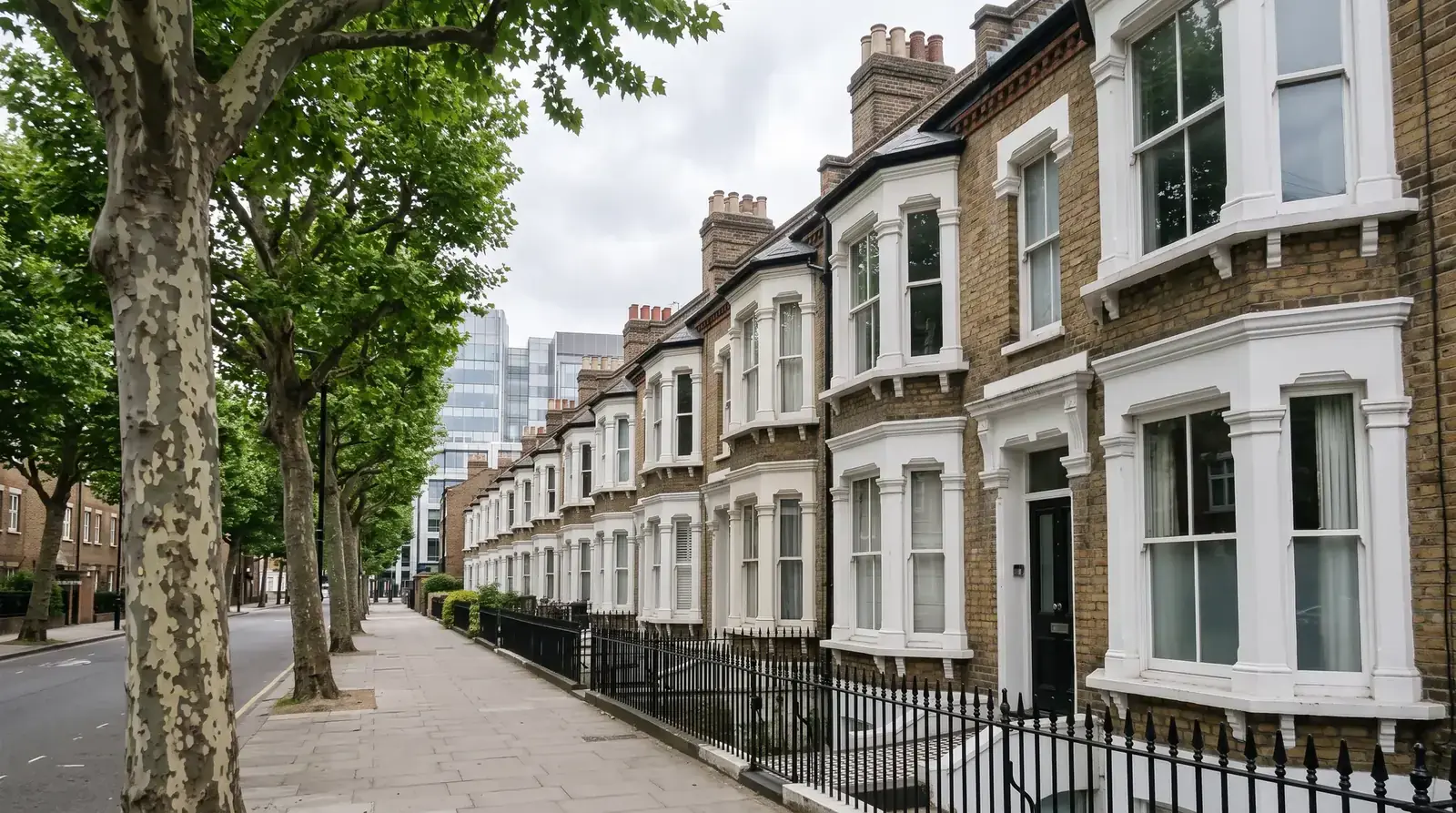
Pest control in Wimbledon
A1 Pest Control handles pest control for homes and businesses in Wimbledon. Private properties get no pest control service from Merton Council. In the private sector 29 per cent of households rent, and terraced houses are the borough’s largest group of homes at 36 per cent of households (ONS, Census 2021). Wimbledon and Putney Commons cover 1,140 acres, and the River Wandle runs about 9 miles through four boroughs, Merton among them. Anyone running shops, bars, offices or depots in SW19 or SW20 should include their postcode, the type of premises and what has been found when getting in touch.
Which pests do we treat in Wimbledon?
Starting prices
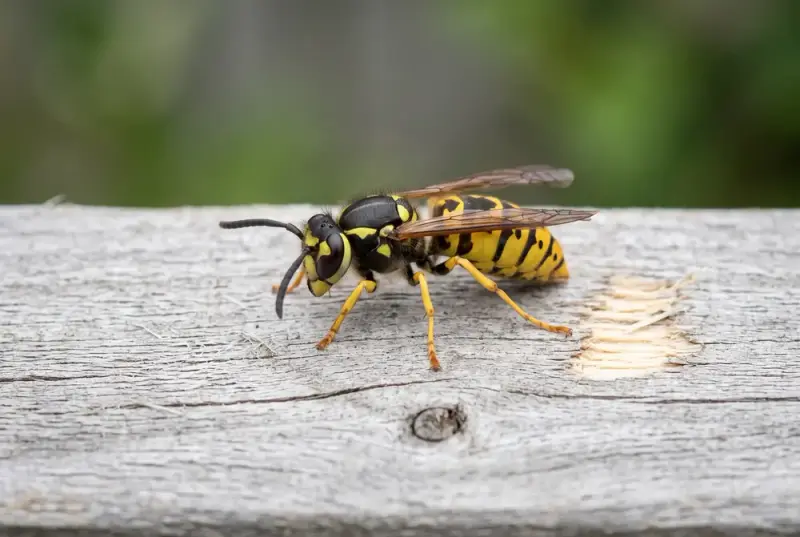
Wasp nest
from £170
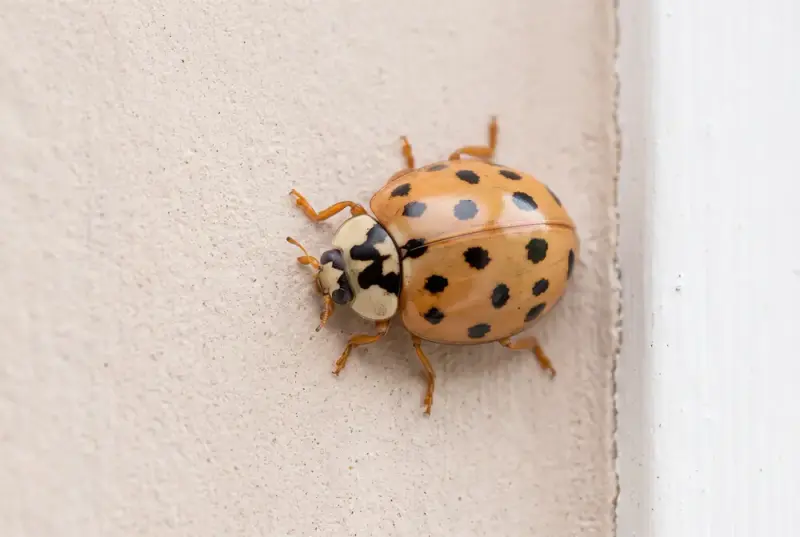
Ladybirds
from £190
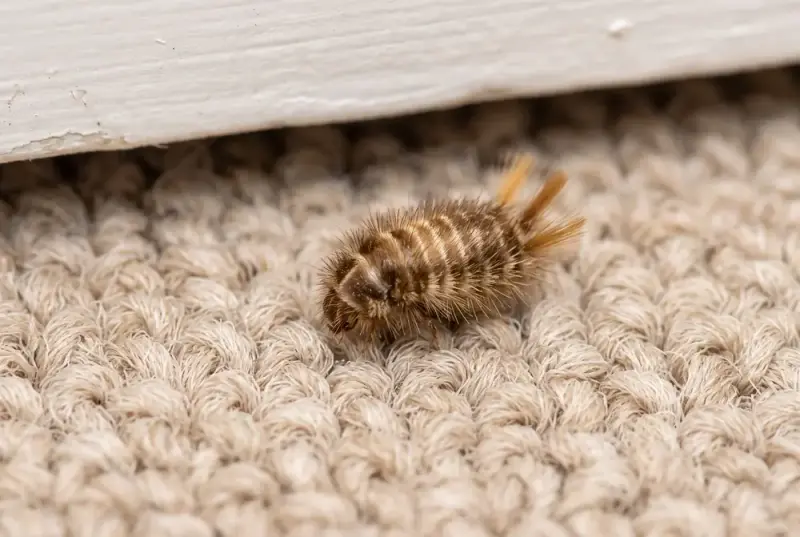
Carpet beetles and biscuit beetles
from £195
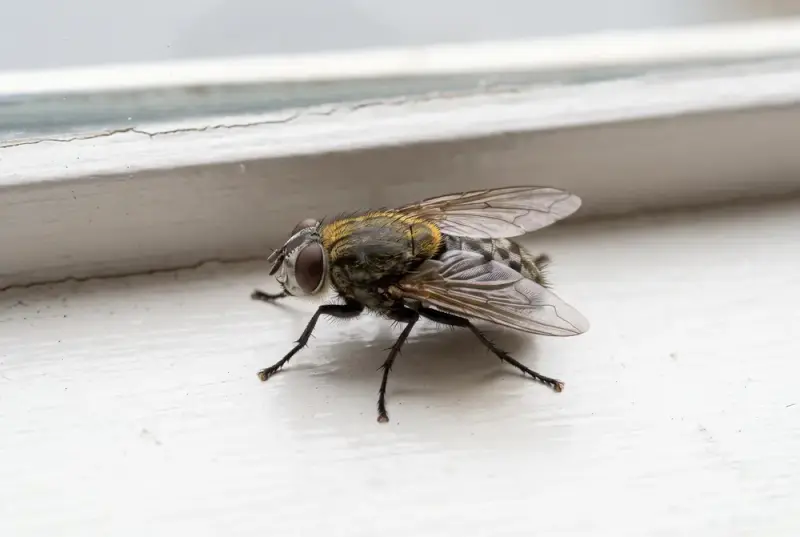
Cluster flies
from £200
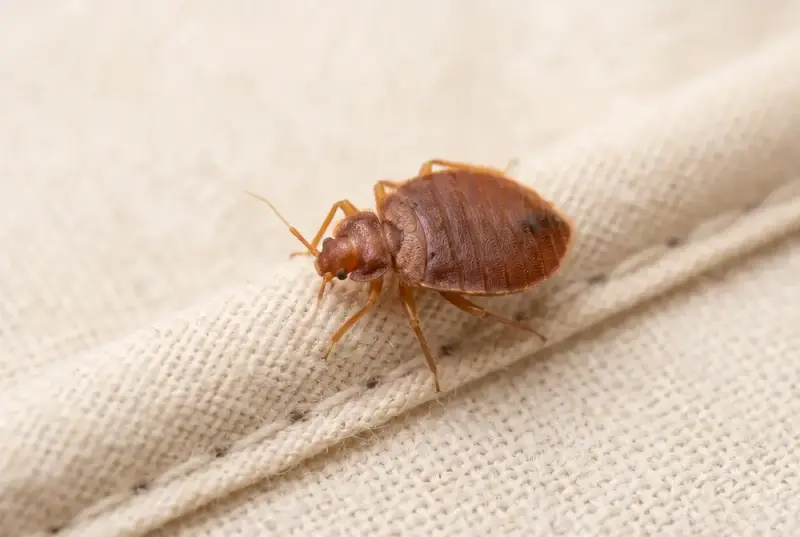
Bed bugs, fleas, mites and moths
from £210
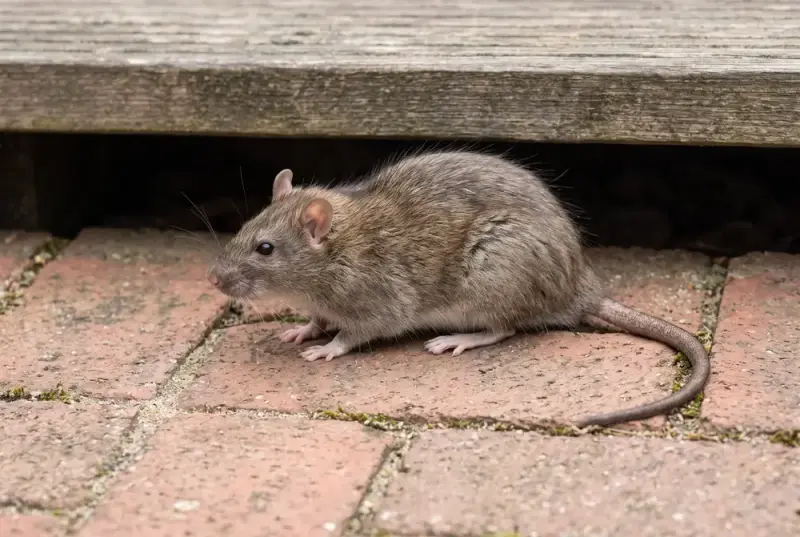
Rats, mice, squirrels and ants
from £240
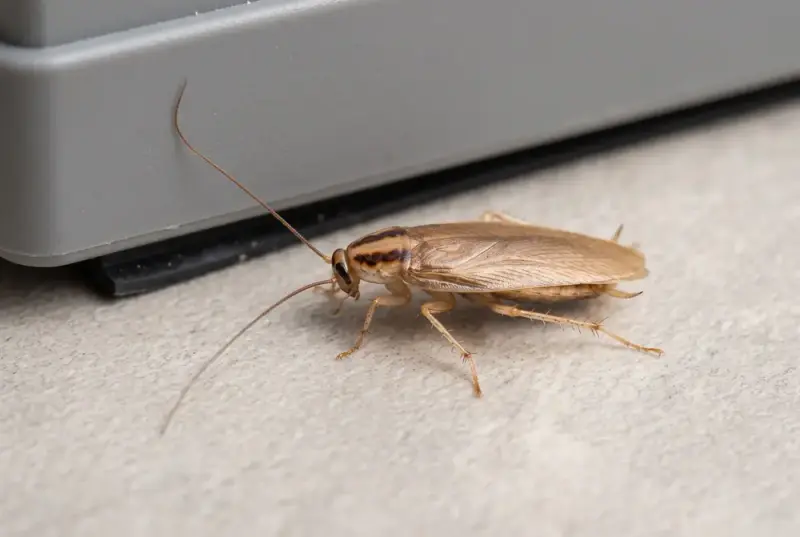
Cockroaches
£550 for five weekly visits
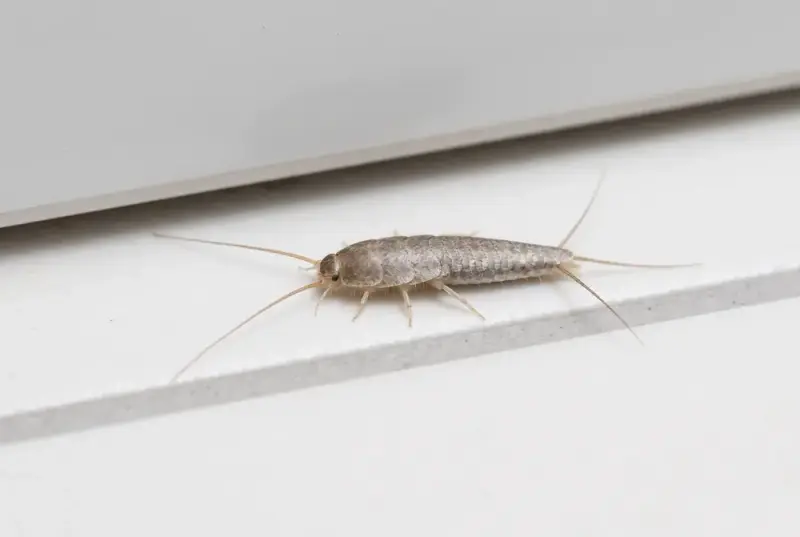
Silverfish
priced after the technician's inspection
Bed bug, flea, mite, moth and beetle prices rise with the number of bedrooms. For bed bugs, fleas, mites and cockroaches we send a preparation sheet first and visit once your home is ready. Evening and weekend visits are available on request, and a weekend visit costs £60 extra. Business sites are priced per site.
Local notes for Wimbledon
Postcodes and areas
SW19 covers the Wimbledon Town and Dundonald, Village, Hillside, Colliers Wood and Wimbledon Park wards. SW20 covers Raynes Park, Merton Park and West Barnes. A postcode does not always name the borough, since SW19 also reaches Wandsworth and SW20 reaches Kingston upon Thames.
Village, town and railway
Wimbledon grew in two parts: the old village beside the Common, and the town that developed after the railway station opened in 1838 at the bottom of Wimbledon Hill. Of households, 56 per cent own their home, while terraced homes account for 36 per cent, purpose-built flats 28 per cent and semi-detached homes 19 per cent (ONS, Census 2021).
The Common and the Wandle
Wimbledon Common is the largest expanse of heathland in London. Most of it is a Site of Special Scientific Interest and a Special Area of Conservation, and the Wimbledon and Putney Commons Act 1871 protects it. What each type of site needs is set out on our pages for retail and hospitality, property management and offices.
Merton Council’s position
It takes no action on urban foxes.
Your questions, answered.
I rent in Wimbledon and have mice. Who do I tell?
Merton Council’s pest page says to speak to your housing association or private landlord first. Its page on problems with rented homes says to give a landlord reasonable time and keep copies of letters, emails and photos. A housing association tenant can complain to the association, then go to the Housing Ombudsman.
A neighbouring shop has an insect infestation. Can Merton Council act?
The council can investigate insect infestations from industrial, trade or business premises if they could be a statutory nuisance. That means they cause an unreasonable and substantial interference with the use or enjoyment of a home or other premises, or injure or are likely to injure health. If the council decides it is a statutory nuisance, it can serve an abatement notice, most often on the person responsible.
What does Merton Council do about foxes in Wimbledon?
The council’s policy is to take no action on urban foxes. It says the policy has stood for many years, in line with neighbouring authorities and guidance from central government. The Fox Project, a charity, advises on deterring foxes and can deal with sick and injured ones.
What should a pest control company in Merton be able to show?
Ask to see both before you agree any work. If you own your home, the council says you need to contact a private pest control company.
When do wasps bother a Wimbledon café or bar most?
The Royal Horticultural Society gives May to October as the wasp season. By late summer a nest can hold 400 to 500 workers, and once nests pass their peak the wasps often seek sugary substances, so sweet food and drink draw them in. Nests die out in late summer or autumn. The society says to leave nests alone where possible, because wasps sting when someone disturbs a nest.