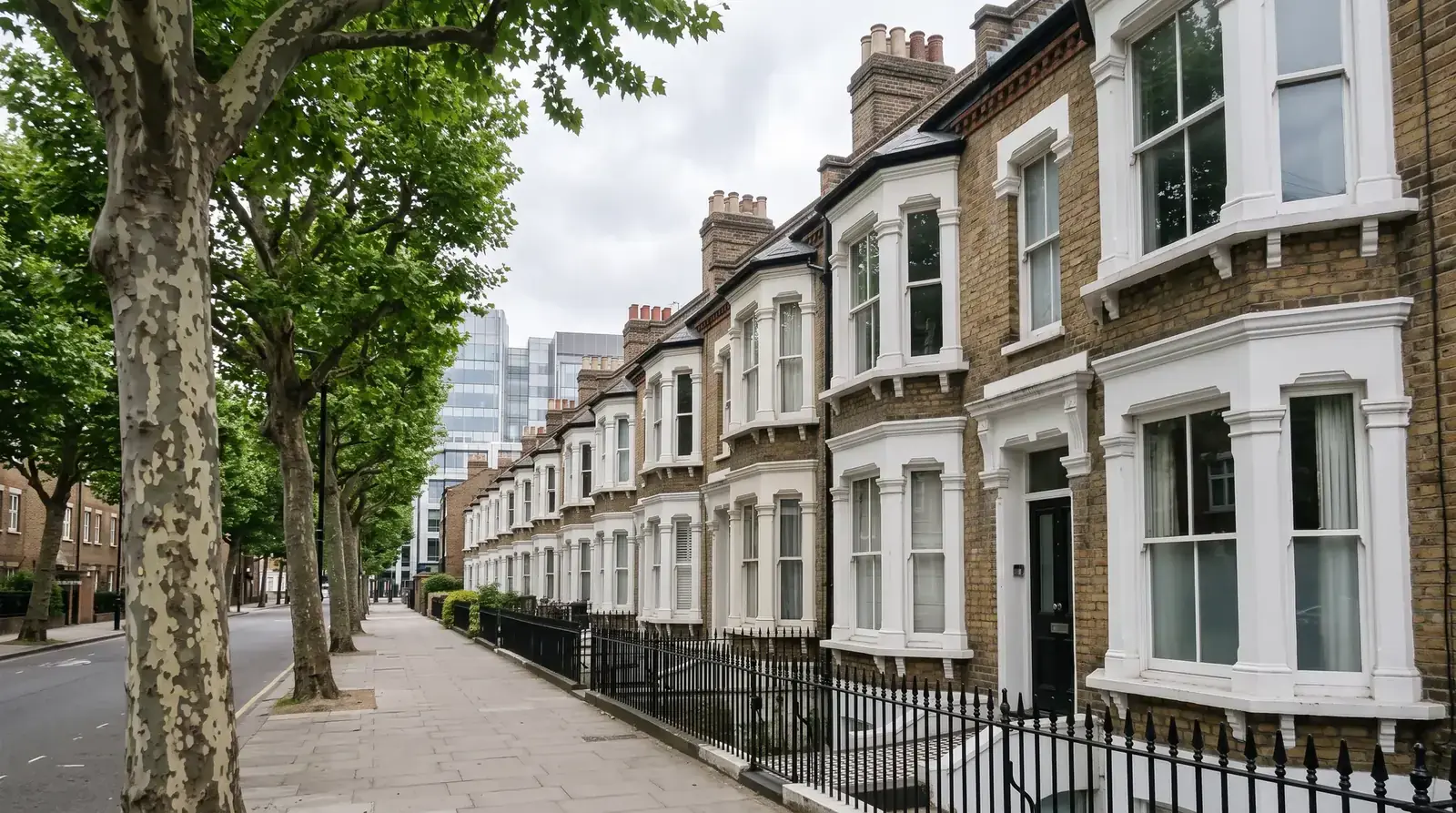
Pest control in Kingston upon Thames
Homes and businesses across Kingston upon Thames can call on A1 Pest Control for pest control. Kingston Council’s pest page points residents to professional pest controllers and says the council does not deal with wasps. Households in the borough split mainly between semi-detached houses, the largest group at 32 per cent, and purpose-built flats at 30 per cent (ONS, Census 2021). The Hogsmill, a small chalk stream, joins the Thames at Kingston, and the Ancient Market in Market Place trades seven days a week (Kingston Council). Details to include when you contact us about shops, restaurants, offices or depots in the KT postcodes are your postcode, the type of premises and what you have found.
Which pests do we treat in Kingston upon Thames?
Starting prices
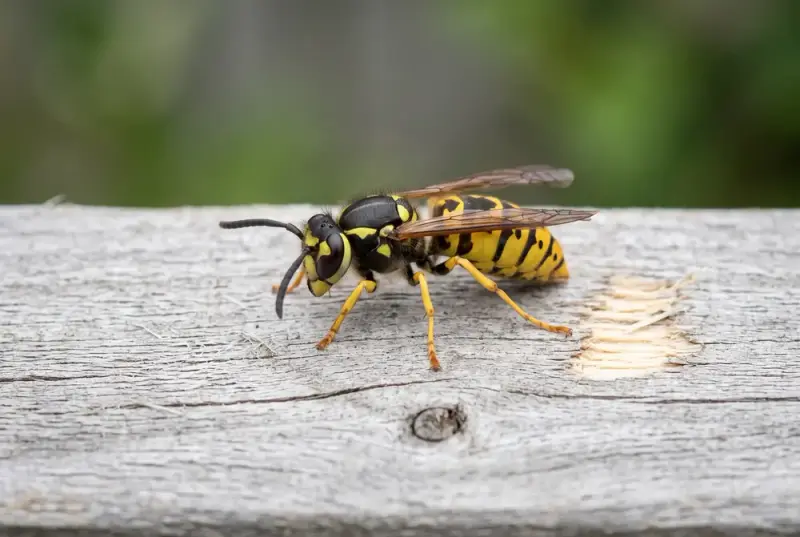
Wasp nest
from £170
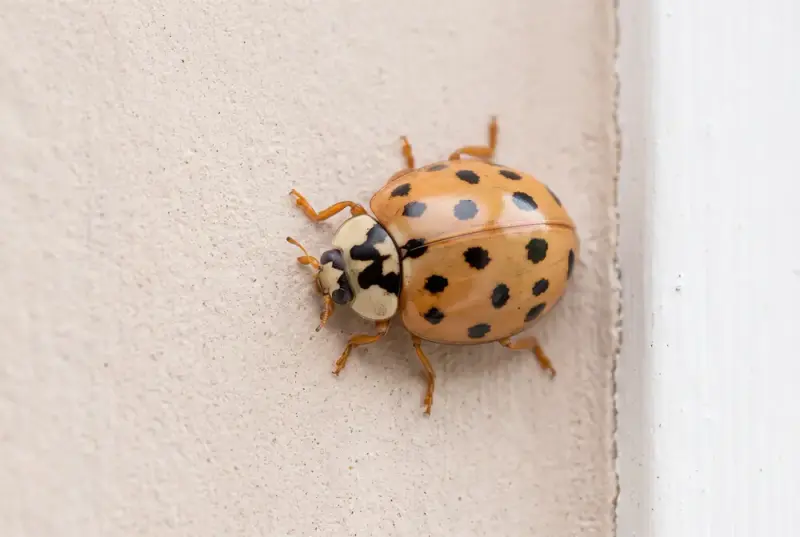
Ladybirds
from £190
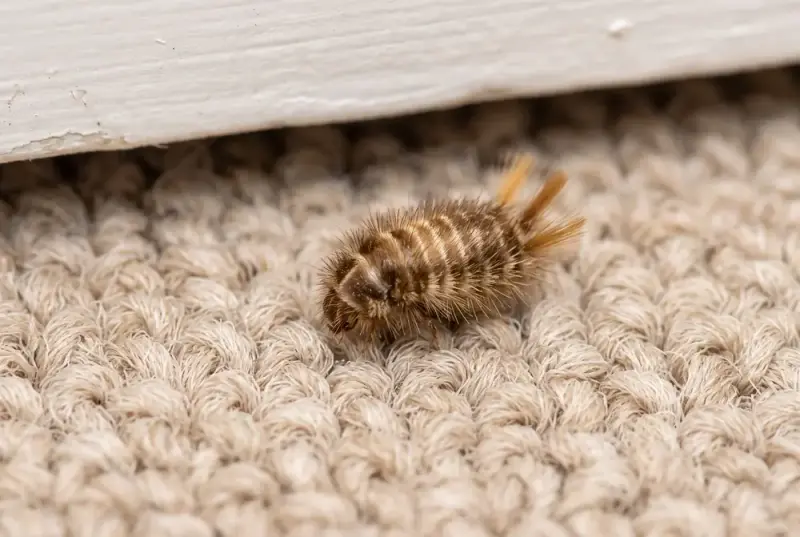
Carpet beetles and biscuit beetles
from £195
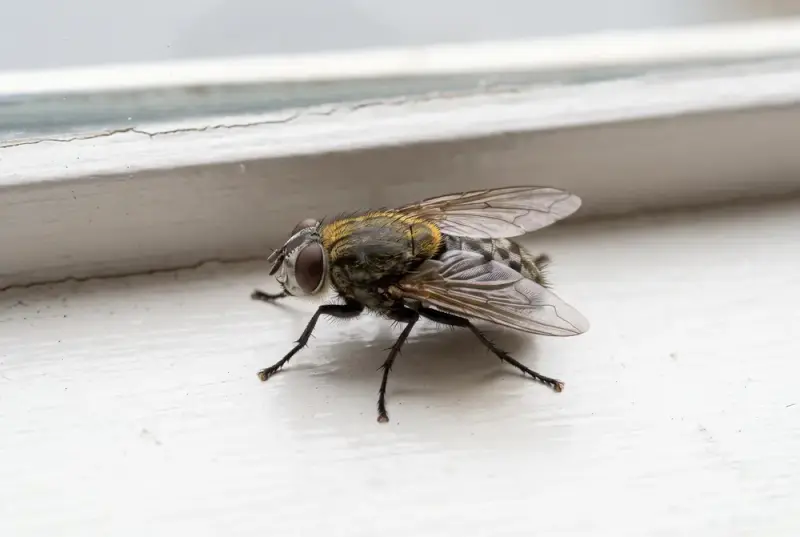
Cluster flies
from £200
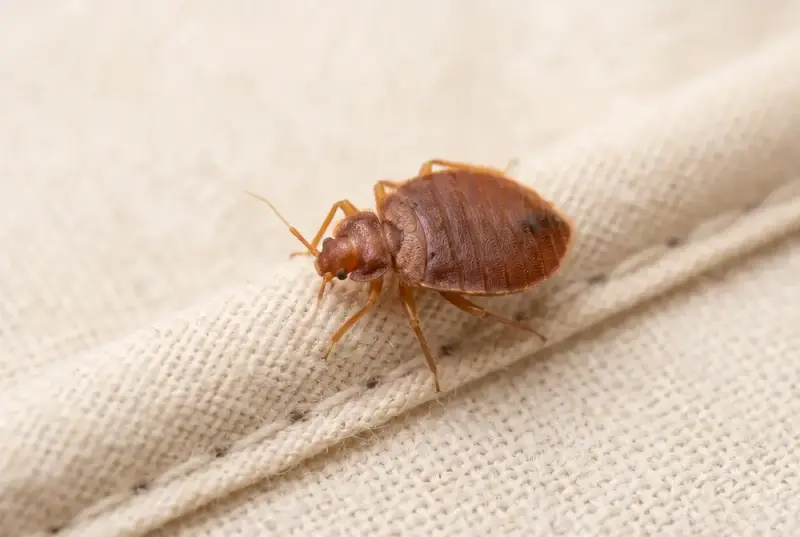
Bed bugs, fleas, mites and moths
from £210
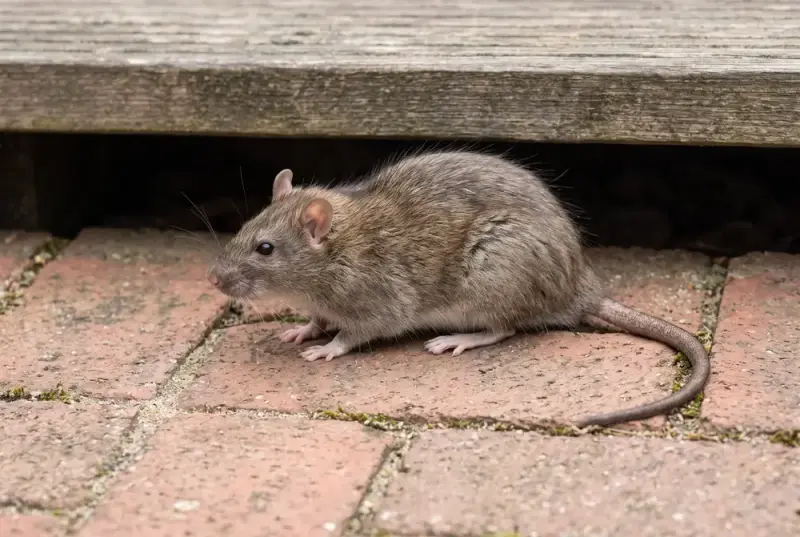
Rats, mice, squirrels and ants
from £240
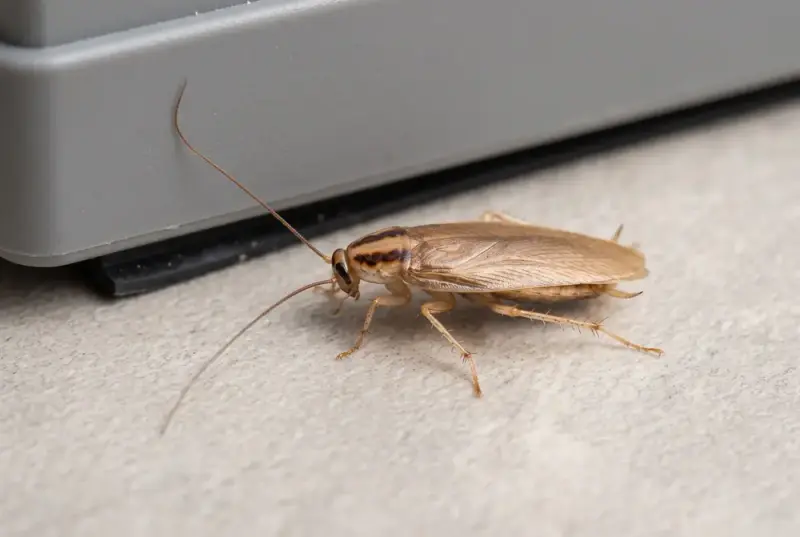
Cockroaches
£550 for five weekly visits
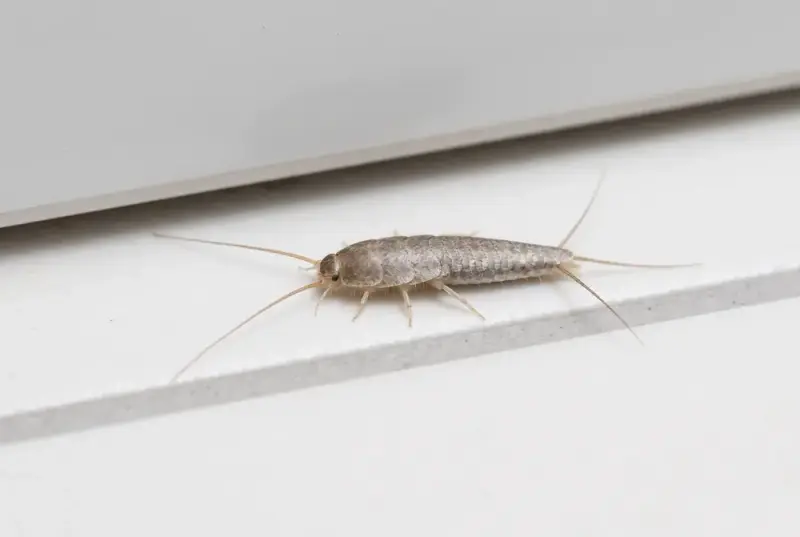
Silverfish
priced after the technician's inspection
Bed bug, flea, mite, moth and beetle prices rise with the number of bedrooms. For bed bugs, fleas, mites and cockroaches we send a preparation sheet first and visit once your home is ready. Evening and weekend visits are available on request, and a weekend visit costs £60 extra. Business sites are priced per site.
Local notes for Kingston upon Thames
KT1 takes in Kingston Town, Canbury Gardens and Norbiton, and KT2 takes in Kingston Gate, Coombe Hill and Tudor. KT3 covers New Malden Village, Old Malden and Raynes Park, KT5 covers Berrylands, Alexandra and Surbiton Hill, KT6 covers Tolworth and Long Ditton, and KT9 covers Chessington South. Because KT1, KT2, KT3, KT6 and KT9 also reach Richmond upon Thames, Merton or Elmbridge, a postcode does not always name the borough.
Kingston's royal charters date back to 1208 (The National Archives).
Charter Quay added riverside bars and restaurants. Surbiton began as a railway suburb after its station moved to its present site in 1838, and the station is Art Deco in style (Kingston Council). Of Kingston's households, 61 per cent owned their home in the 2021 Census, 27 per cent rented privately and 11 per cent rented from a social landlord (ONS).
The Hogsmill and the town centre
The Hogsmill is a chalk stream about 10 km long that rises in Ewell and joins the Thames above Teddington Lock. What each type of site needs is set out on our pages for food premises, retail and hospitality and offices.
Kingston Council’s position
On foxes, Kingston Council’s pest page says the council has no requirement to control them.
Your questions, answered.
I rent a council home in Kingston. How do I report mice?
Council tenants report mice to their landlord, the council’s housing team. Private tenants should report the problem to their landlord. About 27 per cent of Kingston households rent in the private sector (ONS, Census 2021).
Does Kingston Council treat wasp nests?
No. The council’s pest page says it does not provide a service for wasps. The Royal Horticultural Society says common wasps tend to nest underground or in dark cavities such as roof spaces, and says stings happen when someone disturbs one. It gives May to October as the wasp season, and nests die out in late summer or autumn.
A neighbour’s overgrown garden may hold rats. Can Kingston Council act?
The council’s garden nuisances page says it has no powers to make owners tidy an overgrown garden. Environmental Health may act when a garden provides harbourage for pests such as rats or mice, and that can include clearing the vegetation. The pest page has a form to report a pest issue in your neighbourhood.
How many visits does rat baiting need?
Kingston Council’s page says a pest controller using bait needs to visit a few times to inspect it and keep it topped up, then make a final inspection to confirm no bait remains. If the controller uses rodenticides, they should also assess the risk to wildlife and domestic animals. The number of visits depends on the size of the infestation.
What should a Kingston restaurant or shop do to keep pests out?
GOV.UK says food businesses must clear food waste and other rubbish out of rooms containing food without delay, because it builds up and attracts pests. It names three main groups: rodents such as rats and mice, insects such as cockroaches, beetles, ants and flies, and birds such as pigeons. Send your postcode, the type of premises and the pest you have found.