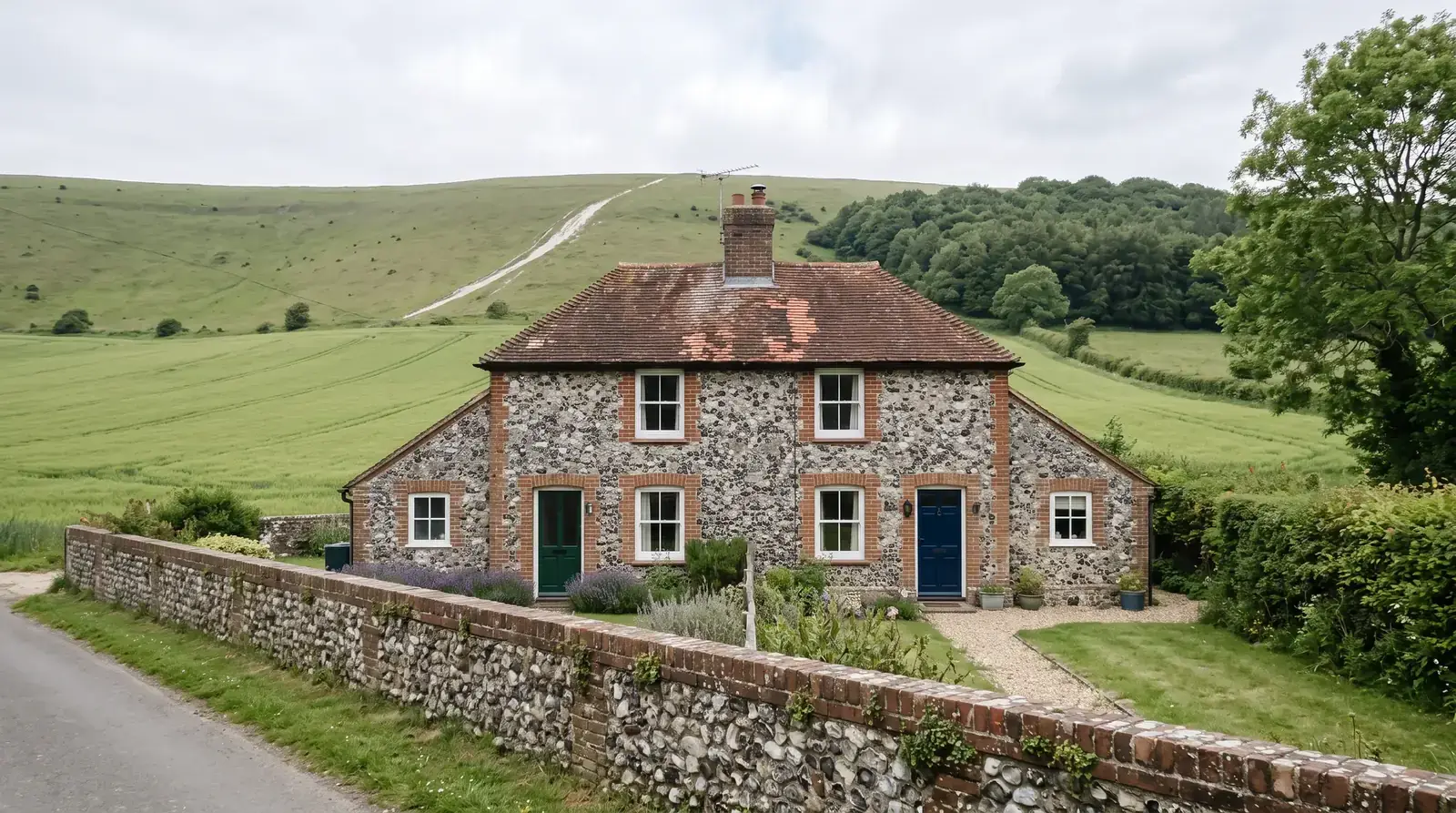
Pest control in Chichester
Pest control in Chichester is provided by A1 Pest Control, which takes on homes and businesses. Chichester is the only city in West Sussex. Flats account for 27.4 per cent of the 13,263 households in the five city wards, terraces for 25.8 per cent, semi-detached homes for 24.8 per cent and detached homes for 16.7 per cent (ONS, Census 2021). The Roman street plan survives, with North, South, East and West Streets meeting at a medieval market cross. The River Lavant, a winterbourne, runs south of the walls and sits in culverts close to the centre. When shops, hotels, restaurants or offices in PO18, PO19 or PO20 get in touch, the message should include the postcode, the type of premises and what has been found.
Which pests do we treat in Chichester?
Starting prices
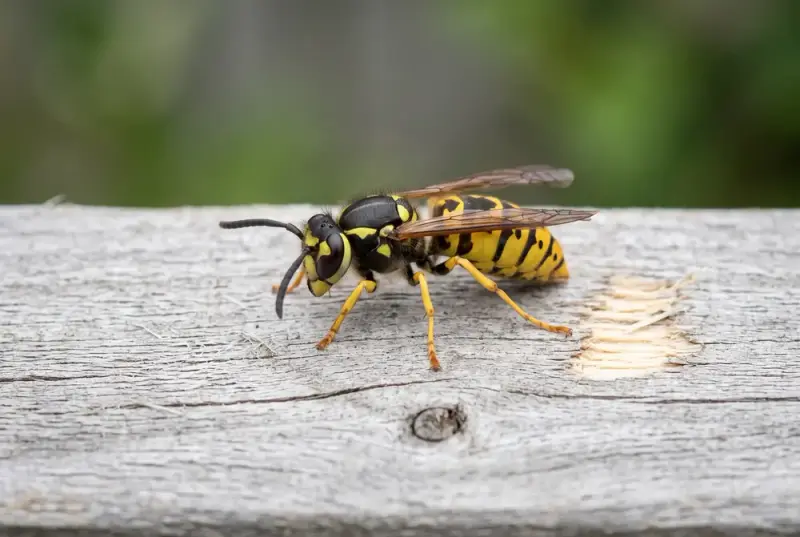
Wasp nest
from £170
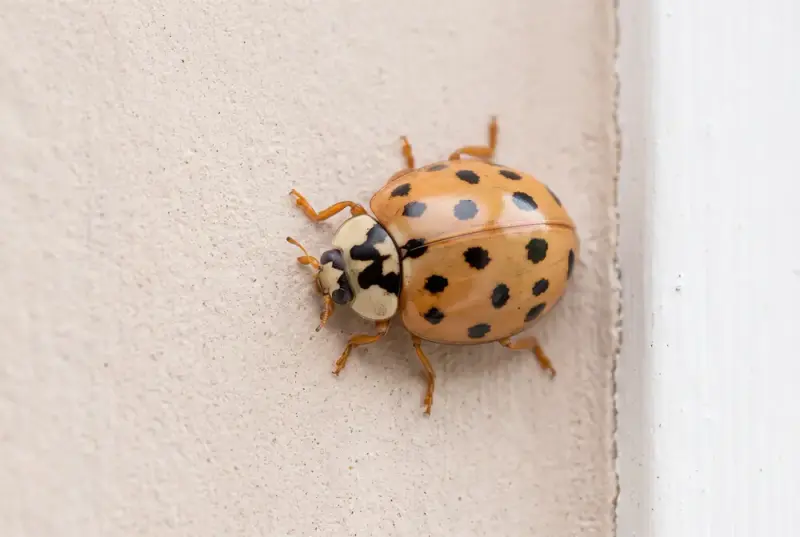
Ladybirds
from £190
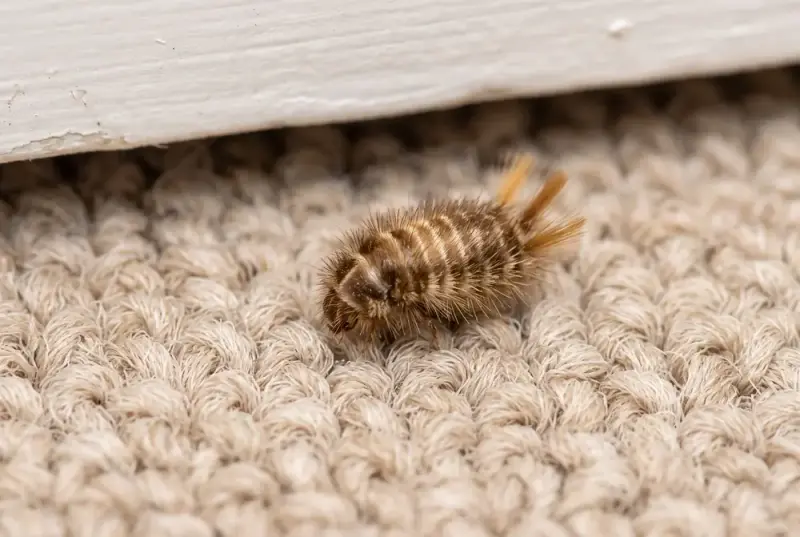
Carpet beetles and biscuit beetles
from £195
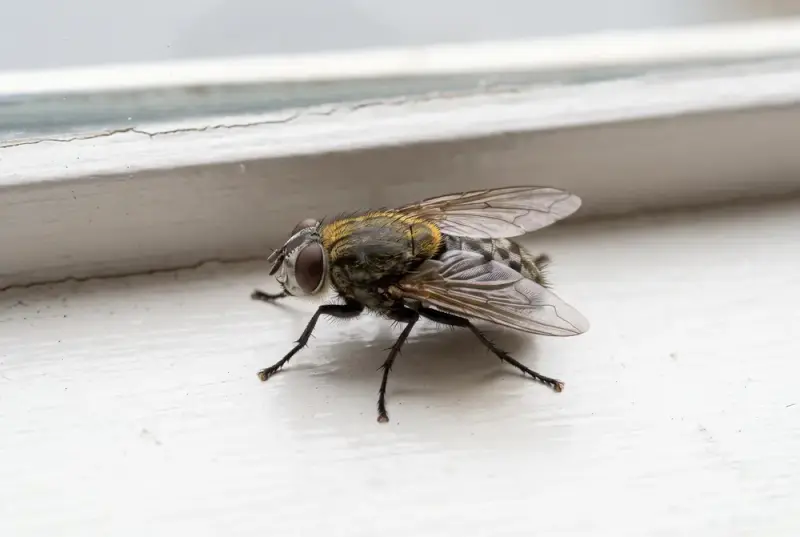
Cluster flies
from £200
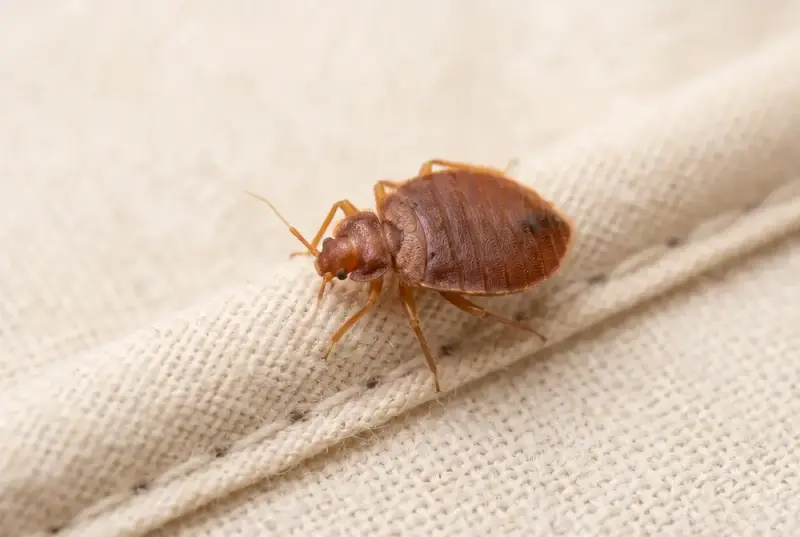
Bed bugs, fleas, mites and moths
from £210
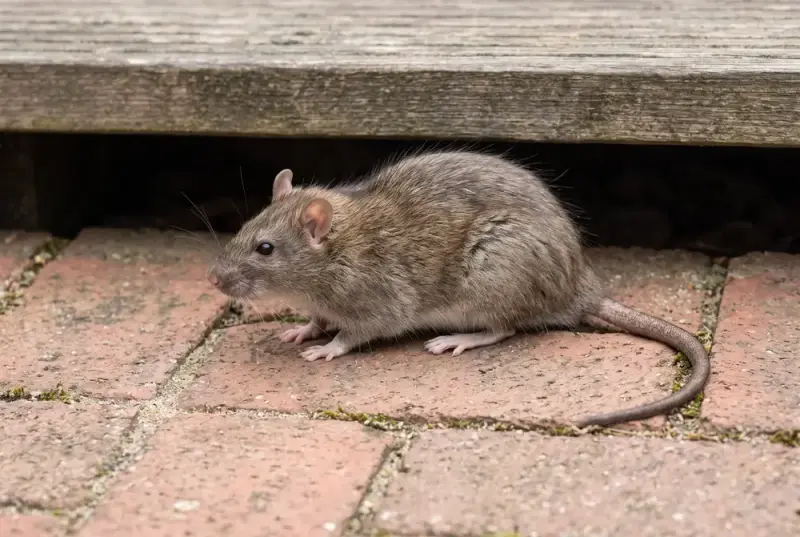
Rats, mice, squirrels and ants
from £240
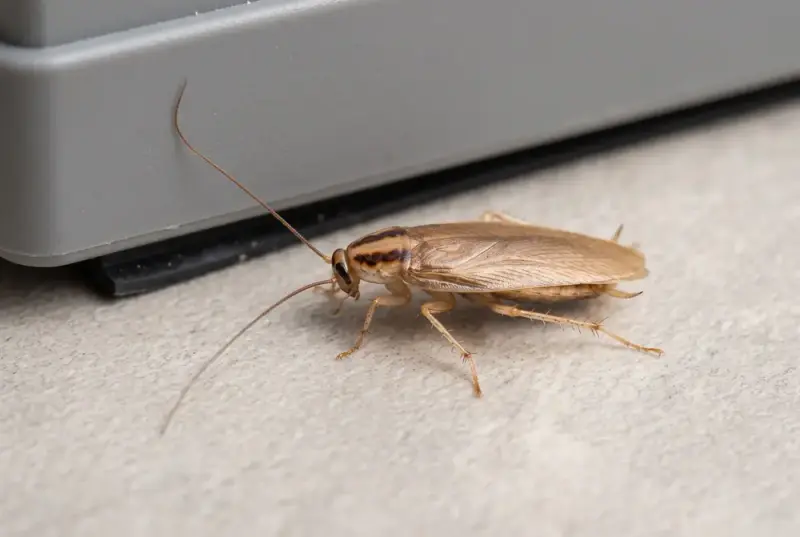
Cockroaches
£550 for five weekly visits
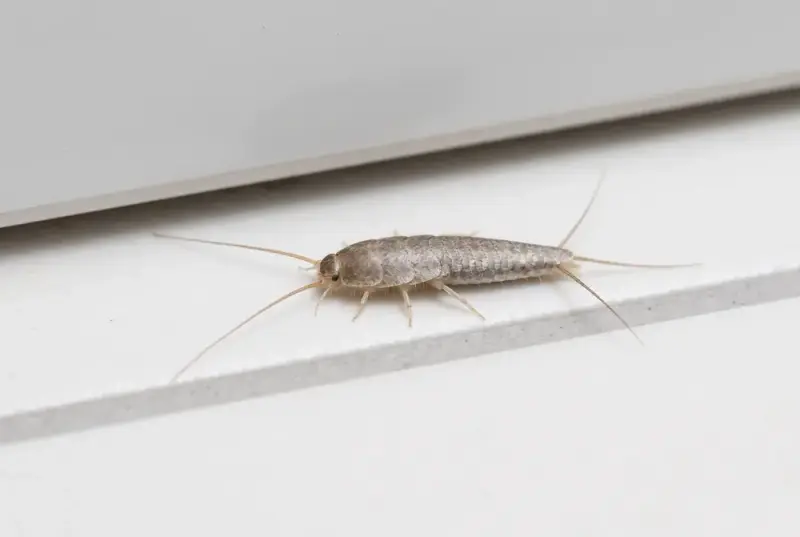
Silverfish
priced after the technician's inspection
Bed bug, flea, mite, moth and beetle prices rise with the number of bedrooms. For bed bugs, fleas, mites and cockroaches we send a preparation sheet first and visit once your home is ready. Evening and weekend visits are available on request, and a weekend visit costs £60 extra. Business sites are priced per site.
Local notes for Chichester
Postcodes and areas
PO19 lies in Chichester district alone and covers the five city wards, with Donnington, Fishbourne, Hunston, Lavant and Oving. PO18 runs west to Bosham, Southbourne and Westbourne and north to Harting and Singleton, and it reaches into Arun district. PO20 covers Selsey, Birdham, West Itchenor and West Wittering across Chichester and Arun districts (postcodes.io).
Walls, canal and winterbourne
The city walls stand on Roman foundations. The conservation area takes in the whole Roman town and its Grade I and II listed buildings, and it now also covers part of Chichester Canal and the restored canal basin. The canal and the Lavant are the city’s two main watercourses. Serious river flooding hit Chichester in 1994 after exceptional winter rainfall (West Sussex County Council).
Barracks, hospital and Southern Gateway
A military depot opened in 1795 and took the name Roussillon Barracks in 1958. By 2014 most of the military had left, and housing development was under way on the site. The Graylingwell Hospital area to the north has its own conservation area.
Hotels, shops and listed buildings
The city has a tourist industry, with several marinas nearby. What each type of site needs is set out on our pages for food premises, retail and hospitality and property management.
Your questions, answered.
Which Chichester postcodes reach beyond the district?
PO19 lies in Chichester district alone. PO18 and PO20 also reach Arun district, and PO10 around Southbourne spans Chichester and Havant (postcodes.io). A postcode does not always show the council area, so give the full postcode and the name of the site when you get in touch.
What must a Chichester café or hotel do to keep pests out?
The Food Standards Agency says food waste and rubbish must leave rooms that contain food as soon as possible, so it does not build up and attract pests. It names three main groups: rodents, insects such as cockroaches, beetles, ants and flies, and birds such as pigeons. Openings to the outside need insect-proof screens that come off for cleaning.
Does every wasp nest in a Chichester roof need treating?
The British Pest Control Association says no. Treat a nest only if it poses a risk to public health and safety, because wasps feed their grubs on caterpillars and other insects. A nest can hold up to 5,000 wasps at its late-summer peak, and treating one is dangerous, because the wasps inside turn aggressive when they feel threatened.
Why do rats come indoors in autumn?
The British Pest Control Association says rats hide in vegetation while harvests ripen, then look for shelter and scraps in towns as temperatures fall and food gets scarce. By late autumn and winter they head indoors, and you may see them in daylight. It adds that milder winters in recent years have helped rat numbers.
Can bats live in the roofs of old Chichester buildings?
The law protects all bat species and their roosts. GOV.UK says repairing a roof, repointing brickwork, converting a loft or treating timber can affect bats, and that harming a bat or its roost can bring up to 6 months in prison or an unlimited fine. The National Bat Helpline, run by the Bat Conservation Trust, gives free advice.