Pest control in Burgess Hill
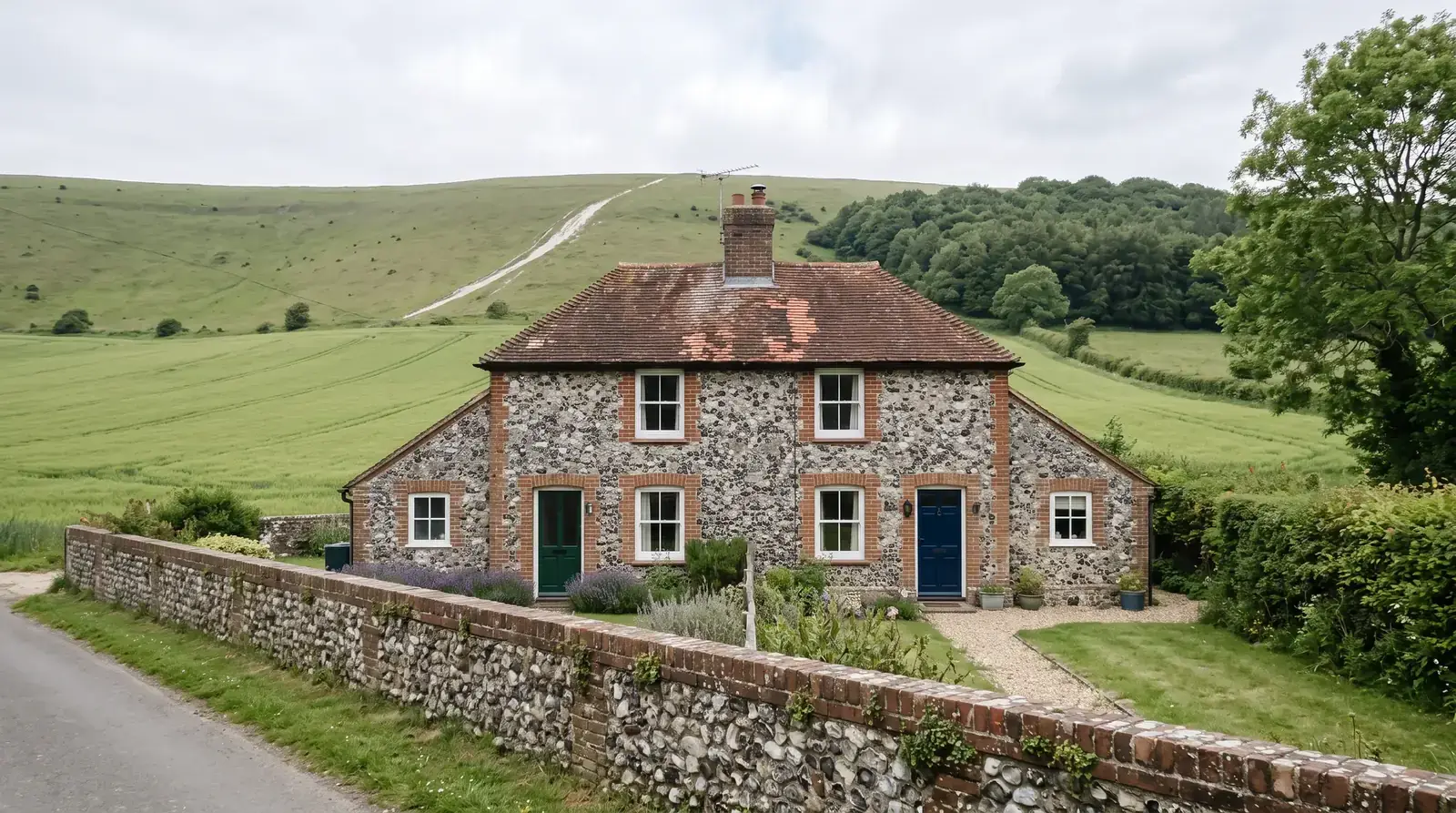
Homes and businesses in Burgess Hill are covered by A1 Pest Control. The town grew after the London, Brighton and South Coast Railway opened in 1841, and brick and tile works spread through it in the Victorian period (Burgess Hill Town Council). The town’s six wards have 13,483 households between them; 74.4 per cent own their home, while 34.2 per cent live in a semi-detached house, 28.4 per cent in a detached house and 21.7 per cent in a terrace (ONS, Census 2021). No pest control service is run by Mid Sussex District Council for any pest, as the council itself says. For an idea of what we can offer, we need the postcode, whether the site is a home or a business, and what you have found.
Which pests do we treat in Burgess Hill?
Starting prices
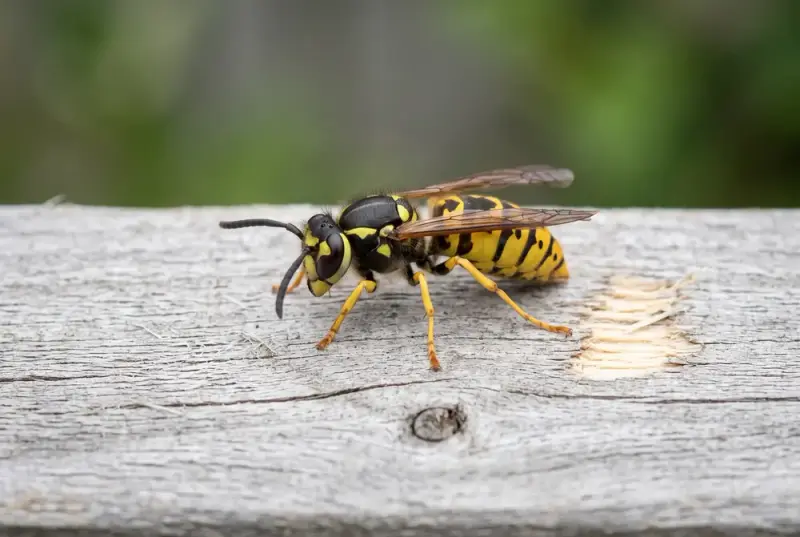
Wasp nest
from £170
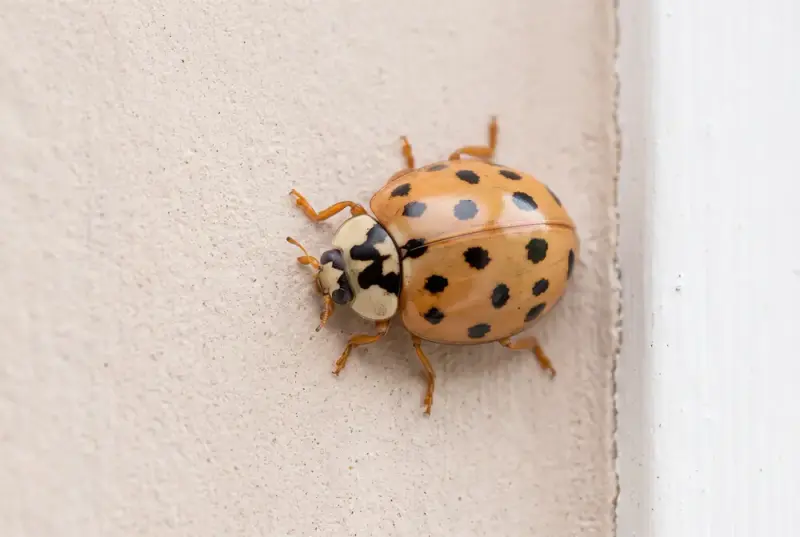
Ladybirds
from £190
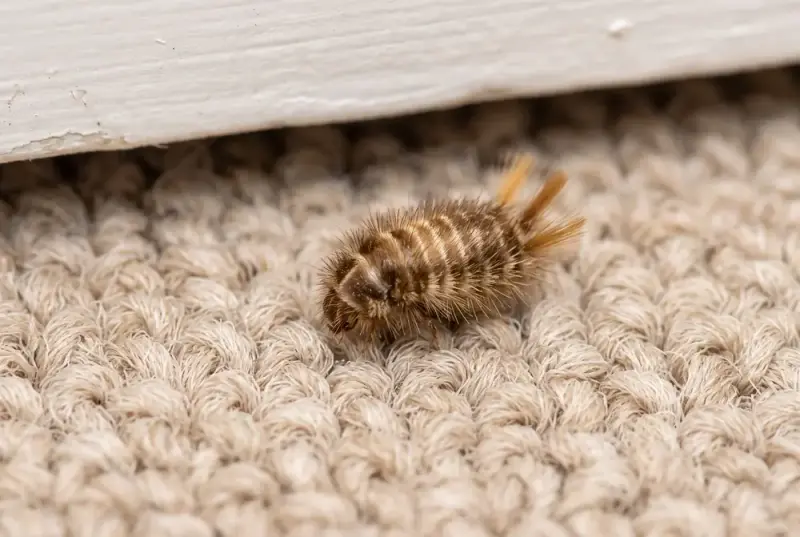
Carpet beetles and biscuit beetles
from £195
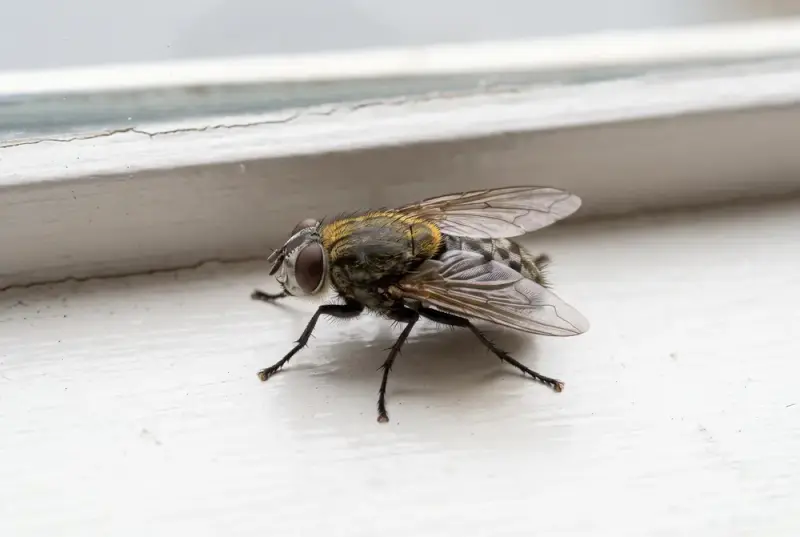
Cluster flies
from £200
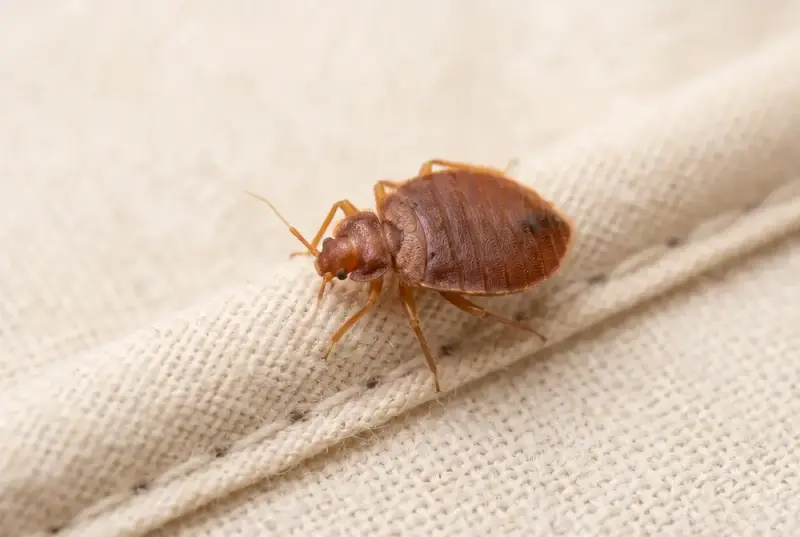
Bed bugs, fleas, mites and moths
from £210
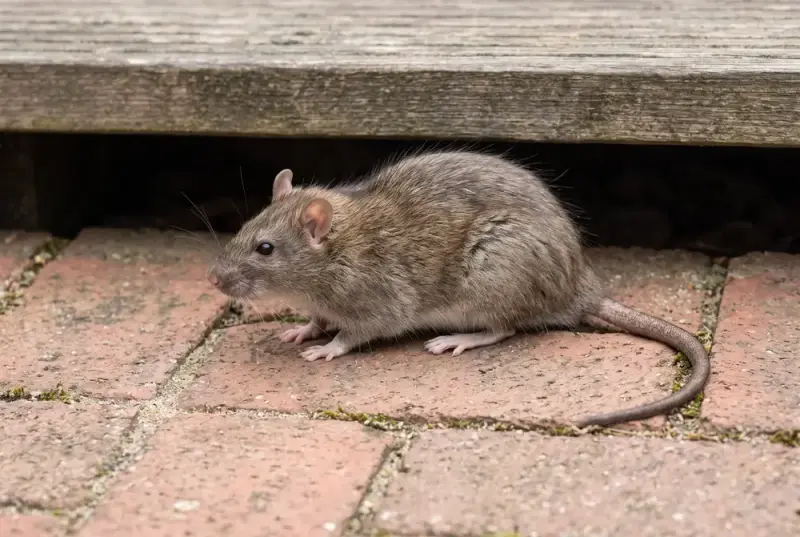
Rats, mice, squirrels and ants
from £240
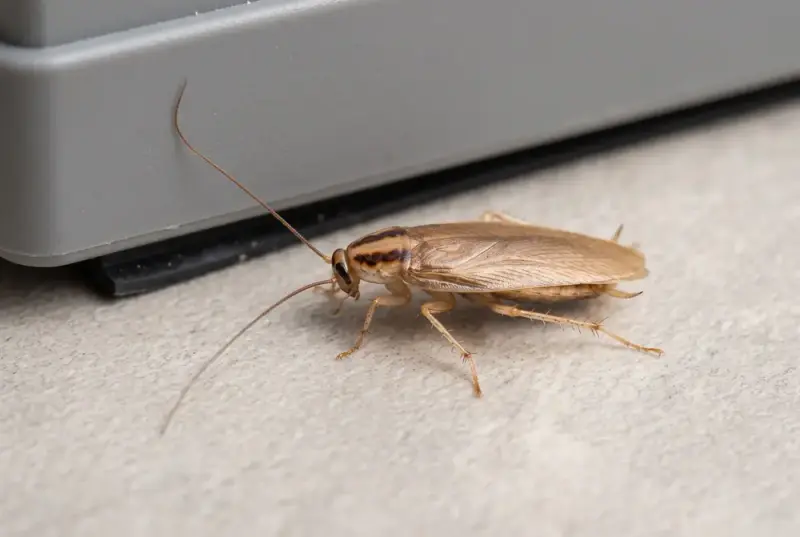
Cockroaches
£550 for five weekly visits
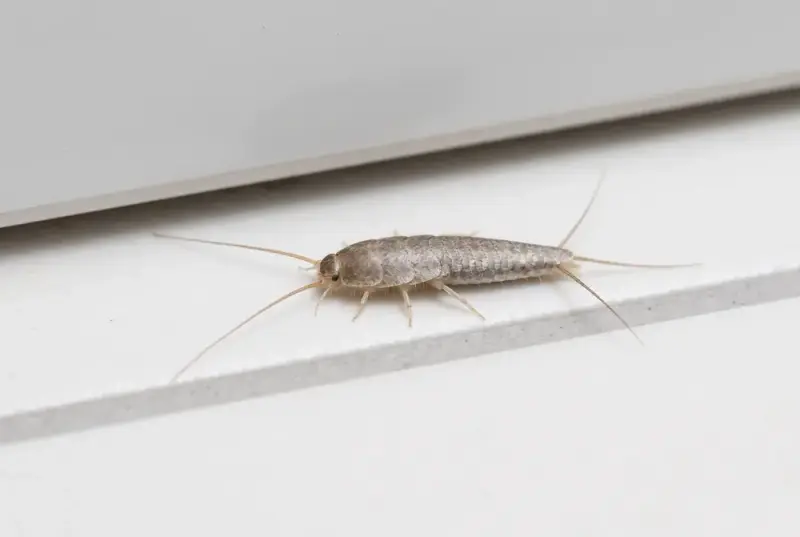
Silverfish
priced after the technician's inspection
Bed bug, flea, mite, moth and beetle prices rise with the number of bedrooms. For bed bugs, fleas, mites and cockroaches we send a preparation sheet first and visit once your home is ready. Evening and weekend visits are available on request, and a weekend visit costs £60 extra. Business sites are priced per site.
Local notes for Burgess Hill
Postcodes and districts
RH15 covers the six Burgess Hill wards of Dunstall, Franklands, Leylands, Meeds and Hammonds, St Andrews and Victoria, plus the wards of Hassocks, Wivelsfield, and Ditchling and Westmeston. It spans Mid Sussex and Lewes districts. BN6 takes in Hassocks and Hurstpierpoint, and RH16 is the Haywards Heath district (postcodes.io).
Clay, brick and a railway town
Burgess Hill grew out of the old parishes of Clayton and Keymer. Brick and tile making began in the 17th century, and the railway of 1841 and the enclosure of St John’s Common opened the way for the town. Between 1850 and 1880 it changed from a rural backwater into a country town of about 4,500 people. Garages and builders’ merchants now occupy many old brick and tile sites (Burgess Hill Town Council).
Victorian terraces and 1950s estates
The council history says almost all the solid Victorian houses of the late 19th century survive, as do most terraced workmen’s cottages. The population almost doubled to 14,000 between 1951 and 1961, and much of the housing dates from then. An industrial estate followed in the 1950s on the old Victoria Pleasure Gardens site, with another north of the Sheddingdean estate. For units on an estate, see warehouses and logistics, and for sites in several towns see commercial pest control.
Houses, gardens and landlords
Flats house 12.9 per cent of households, terraces 21.7 per cent, detached houses 28.4 per cent and semi-detached houses 34.2 per cent. By tenure, 74.4 per cent of households are owners, 13.2 per cent private renters and 10.9 per cent social renters, and nearly all social renters are with housing associations or other social landlords (TS044 and TS054). The duty to keep land free from rats and mice rests with owners and occupiers, according to Mid Sussex (Mid Sussex District Council).
Your questions, answered.
Which council covers my RH15 address?
postcodes.io lists RH15 across Mid Sussex and Lewes districts. Burgess Hill and Hassocks addresses fall in Mid Sussex, while some addresses in Wivelsfield and Ditchling fall in Lewes. Give the full postcode when you get in touch, and say whether the site is a home or a business.
I rent from a housing association. Who deals with mice?
Mid Sussex District Council says it runs no pest control service for any pest, including mice, rats or wasps. It tells tenants of a housing association or a private landlord to speak to the landlord about treatment first. The 2021 Census shows 10.9 per cent of Burgess Hill households rent from a social landlord and 13.2 per cent rent from a private landlord.
How do I keep rats out of a Burgess Hill garden?
Mid Sussex tells residents to stop bird feeding if rats appear, and to fit a catching tray under seed feeders. Put a compost bin on a wire mesh base, turn it often and keep it 2 to 3 feet from fences and sheds. Lay a new shed on concrete, or raise it so a gap of 4 to 6 inches leaves rats no cover underneath.
Can A1 look after a unit or shop group with sites in Burgess Hill?
A1 Pest Control takes multi-site commercial contracts, so one agreement can list a unit on an industrial estate, a shop and an office in different towns. Send the Burgess Hill postcode, what each site does and how many you run, and we will say what we can offer. For food sites, tell us which ones handle food.
Which gaps do rats and mice use to get into older houses?
Mid Sussex says rats and mice get into homes in winter, looking for somewhere dry and warm. It tells residents to check for broken air bricks and to fill gaps around waste pipes with cement. Rats can squeeze through holes of about 25 mm, and both animals climb well, so cut back ivy or wisteria that reaches the roof.