Pest control in East Grinstead
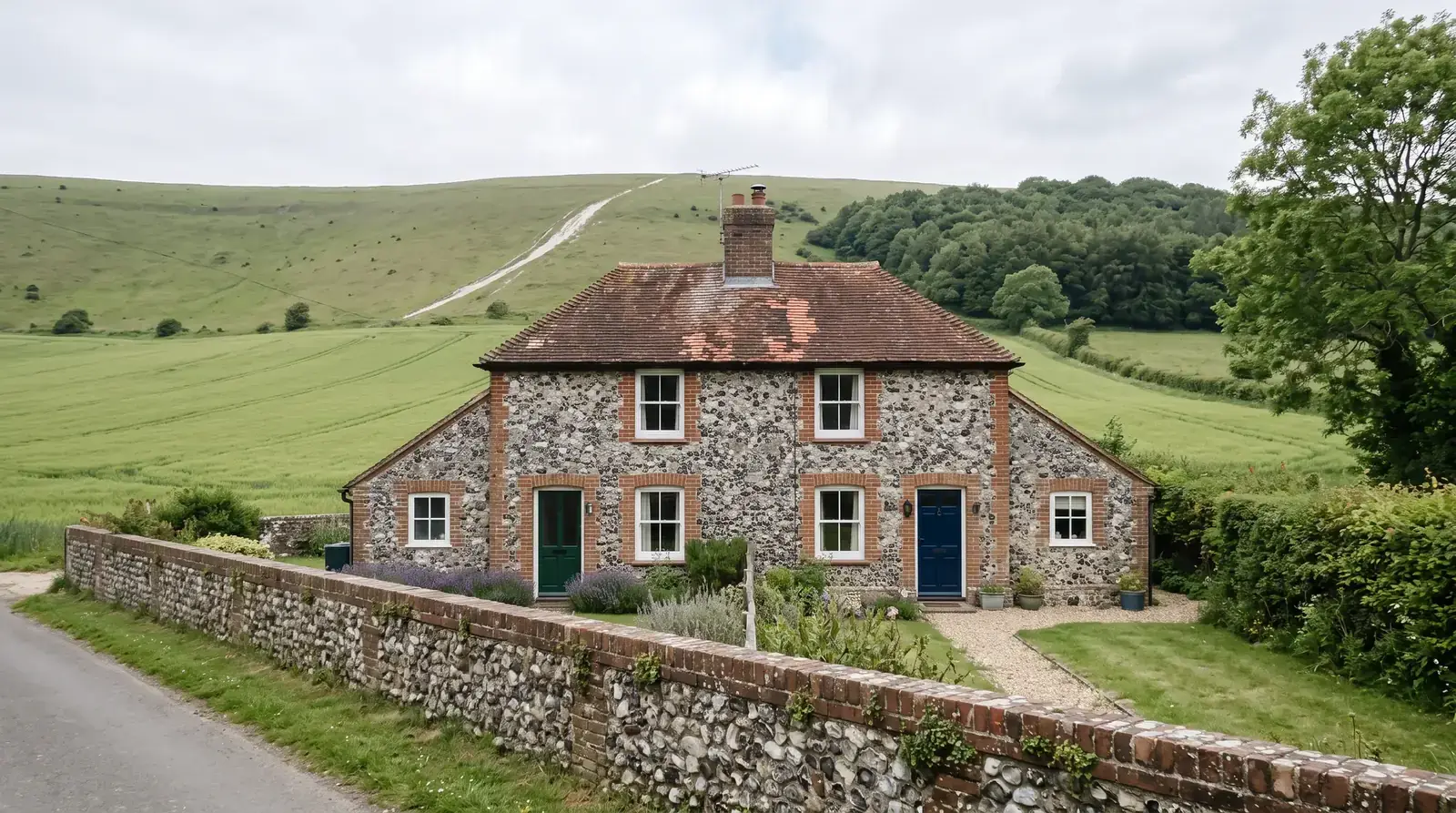
Pest control at homes and businesses in East Grinstead is available from A1 Pest Control. East Grinstead sits in the north-east corner of West Sussex, close to the Surrey and Kent borders and on the Greenwich Meridian. Households in the five town wards number about 11,500, split 33.4 per cent detached homes, 23.9 per cent semi-detached homes, 20.6 per cent flats and 16.0 per cent terraces, and 71.3 per cent own their home (ONS, Census 2021). The RH19 postcode district crosses into Surrey and East Sussex, so three district councils share it. Tell us what you have found, the type of premises and your postcode when you get in touch about a shop, office or unit in RH19 or RH18.
Which pests do we treat in East Grinstead?
Starting prices
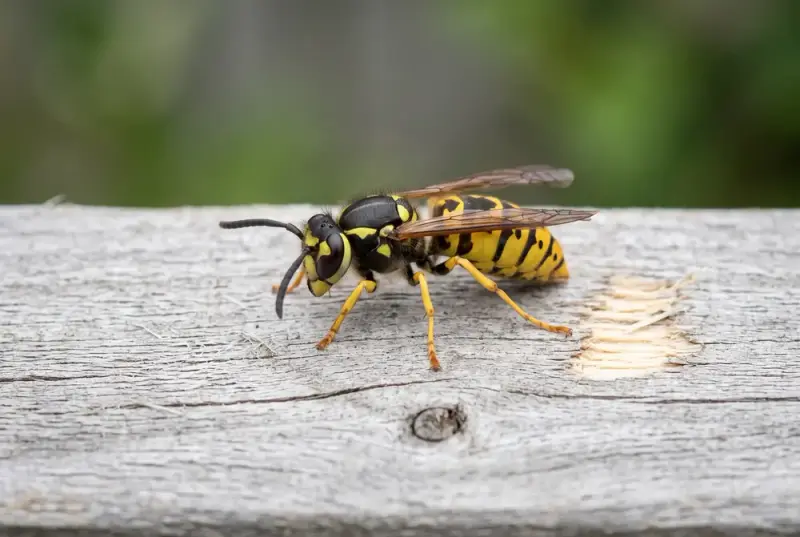
Wasp nest
from £170
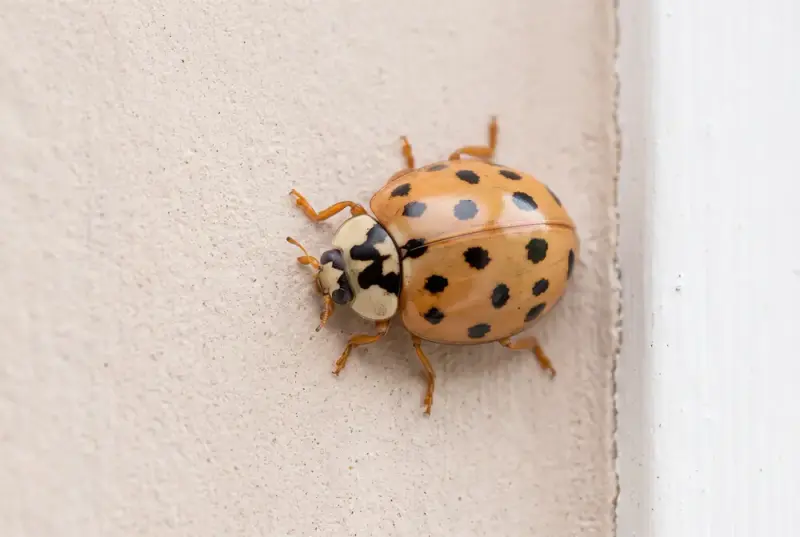
Ladybirds
from £190
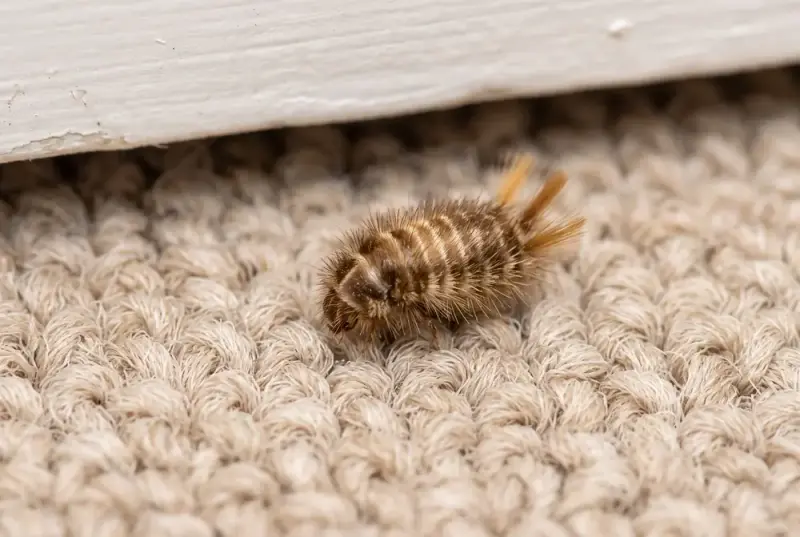
Carpet beetles and biscuit beetles
from £195
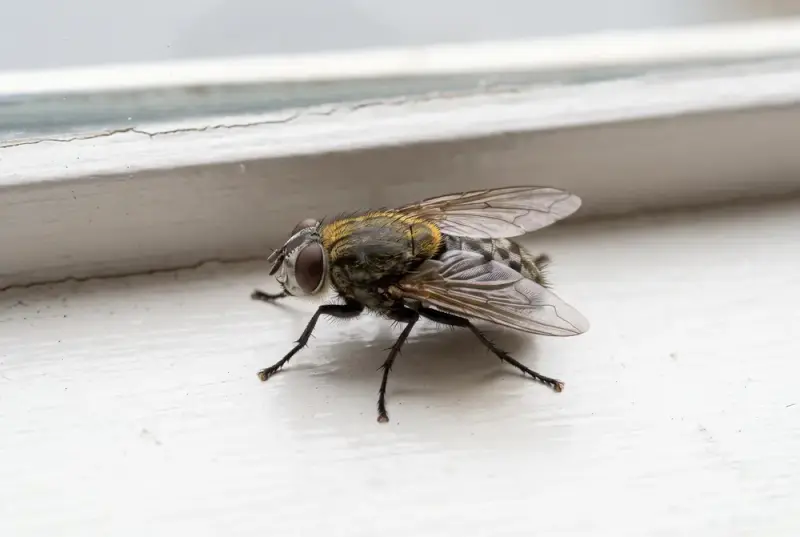
Cluster flies
from £200
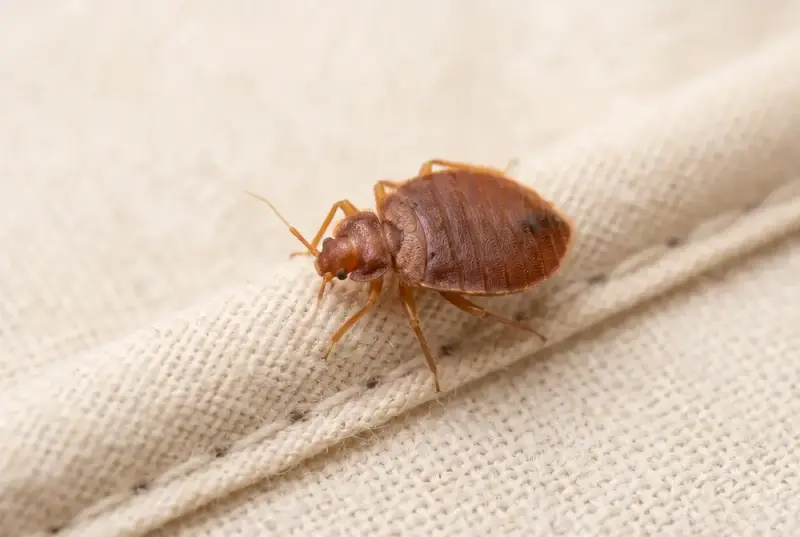
Bed bugs, fleas, mites and moths
from £210
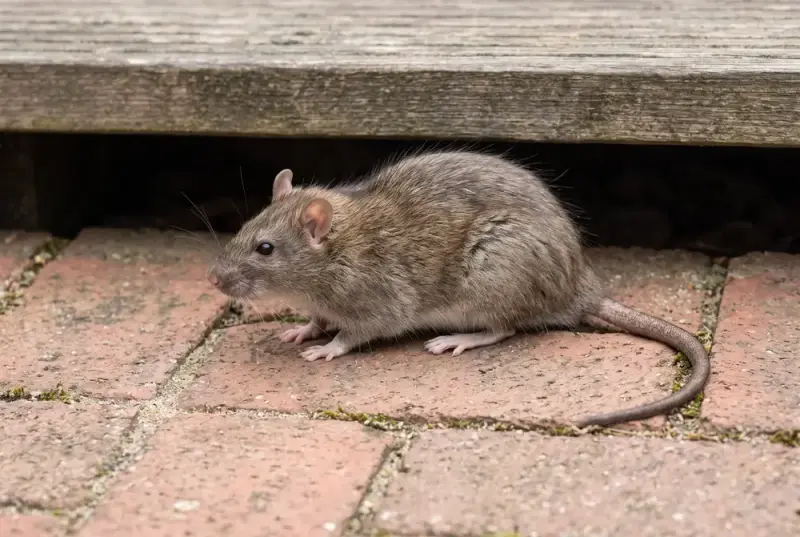
Rats, mice, squirrels and ants
from £240
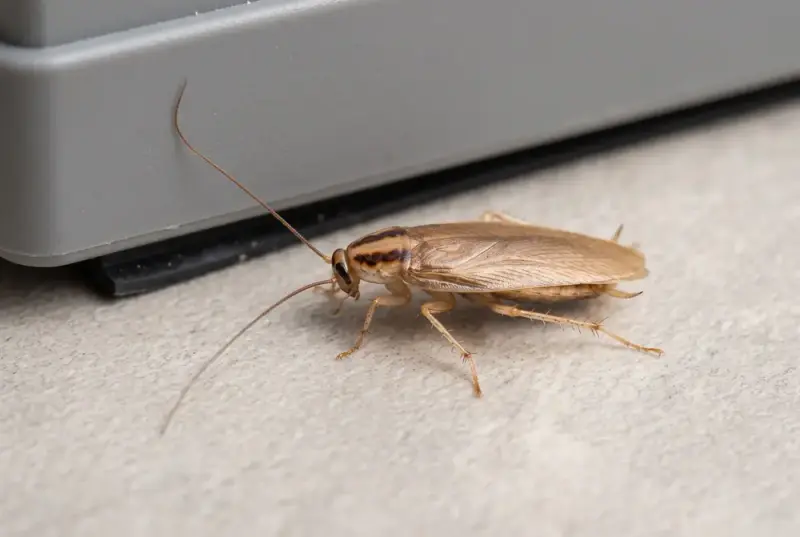
Cockroaches
£550 for five weekly visits
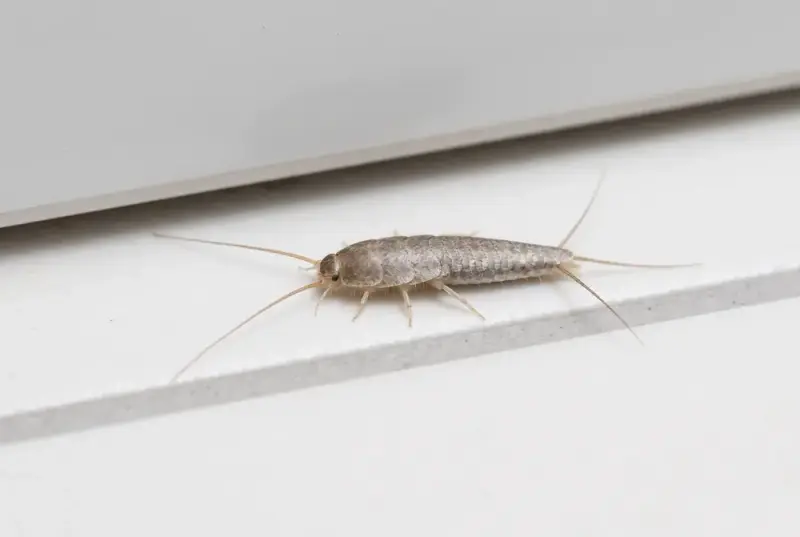
Silverfish
priced after the technician's inspection
Bed bug, flea, mite, moth and beetle prices rise with the number of bedrooms. For bed bugs, fleas, mites and cockroaches we send a preparation sheet first and visit once your home is ready. Evening and weekend visits are available on request, and a weekend visit costs £60 extra. Business sites are priced per site.
Local notes for East Grinstead
Postcodes and areas
postcodes.io lists RH19 across Mid Sussex, Tandridge and Wealden districts, with the parishes of East Grinstead, Ashurst Wood, Felbridge, Dormansland, Lingfield and Forest Row among others. RH18 covers Forest Row, Hartfield and Danehill, and it also takes in the East Grinstead Town ward. RH10 is the Crawley postcode district and reaches Crawley Down and Copthorne (postcodes.io).
Timber frames and an almshouse
The High Street holds a continuous run of 14th-century timber-framed buildings that is among the longest in England. Sackville College, a sandstone almshouse, dates from 1609, and the tower of St Swithun’s Church from 1789. The Greenwich Meridian crosses the grounds of East Court, a mansion of 1769 that is now the town council’s home.
Hospital and railway paths
The Queen Victoria Hospital ran a burns unit under Sir Archibald McIndoe during the Second World War, and his patients formed the Guinea Pig Club in 1941. Forest Way follows a disused railway line from East Grinstead to Groombridge as a country park (East Sussex County Council).
Retail, offices and food sites
To see what a given type of site needs, read our pages for retail and hospitality, food premises and offices and workplaces.
Your questions, answered.
Which council deals with pests if my RH19 postcode is outside Mid Sussex?
postcodes.io lists RH19 across Mid Sussex, Tandridge and Wealden. Mid Sussex says it runs no pest control service. Your council tax bill shows which council area you are in. Whichever it is, call us on 0800 059 0135 with your postcode and what you have found.
Who is responsible for rats on a plot of land in East Grinstead?
Mid Sussex and Tandridge councils both say owners and occupiers must keep their land free from rats and mice. Tandridge adds that in some circumstances it asks them to treat an infestation and carry out the works needed to keep rodents out. The British Pest Control Association says environmental health officers can issue enforcement notices to a business without adequate pest management.
How do I tell a rat from a vole or a shrew near the Weald?
The British Pest Control Association lists the differences. A brown rat weighs about 0.5kg, with a blunt snout, small eyes and a tail shorter than its body. A house mouse weighs under 25g, with big eyes and large ears. A vole has a short tail and shaggy hair. Shrews are not rodents: the law fully protects water voles, and it protects shrews from some methods of killing or trapping.
When should I check for wasp nests?
The British Pest Control Association says to check the likeliest spots each spring, when nests are about the size of a golf ball: the loft, garage, shed and under eaves. Nests also turn up in bushes, under trees and in wall cavities. Fly screens keep wasps out of a building, shut bins stop them feeding.
How do I treat a wasp sting?
The British Pest Control Association says to wash around the sting with soap and water, apply a cold compress such as an ice pack for at least 10 minutes, and raise the affected area. Avoid scratching and home remedies such as vinegar. Get urgent medical help for difficulty breathing, dizziness or a swollen face, and call 999 for symptoms of anaphylaxis.