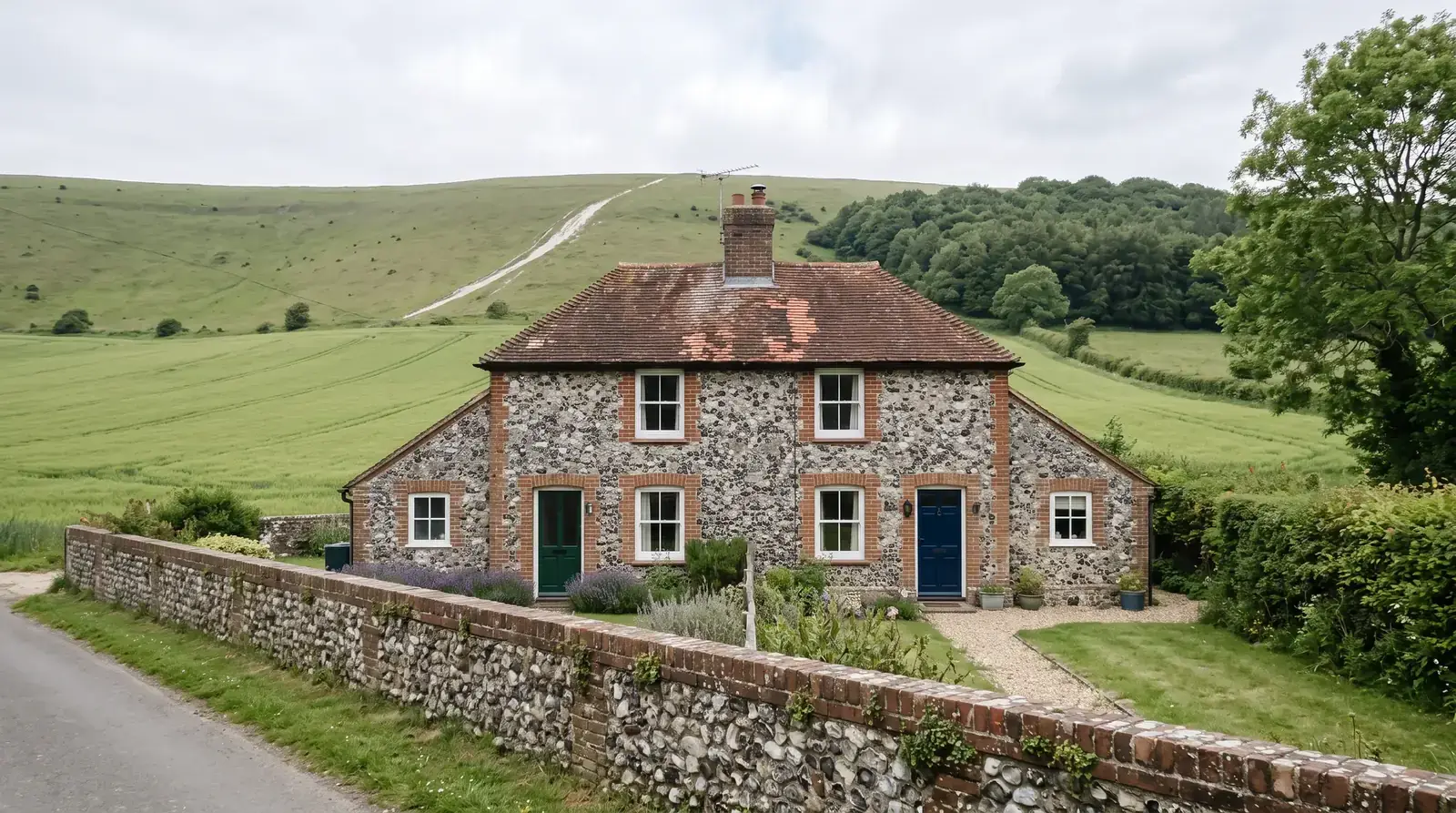
Pest control in Crawley
We cover homes and businesses in Crawley. January 1947 is when Crawley became a new town. In its borough, 14.2% of the about 45,500 households live in a detached home, 22.7% in a semi-detached, 23.8% in a block of flats and 37.4% in a terraced house, and 19.8% rent from a private landlord (ONS, Census 2021). For now a household or a business hires an outside contractor, because Crawley Borough Council’s pest control page said on 3 November 2026 that it could not offer the service. Say what you have found when you send your RH10 or RH11 postcode.
Which pests do we treat in Crawley?
Starting prices
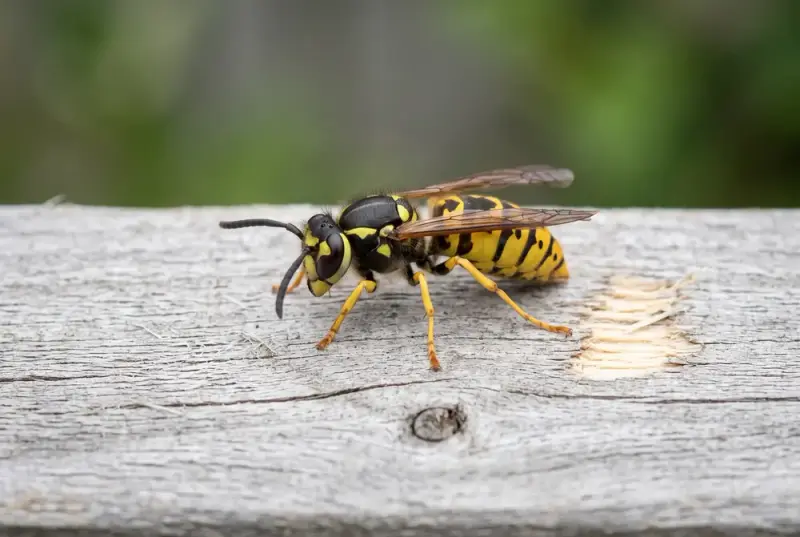
Wasp nest
from £170
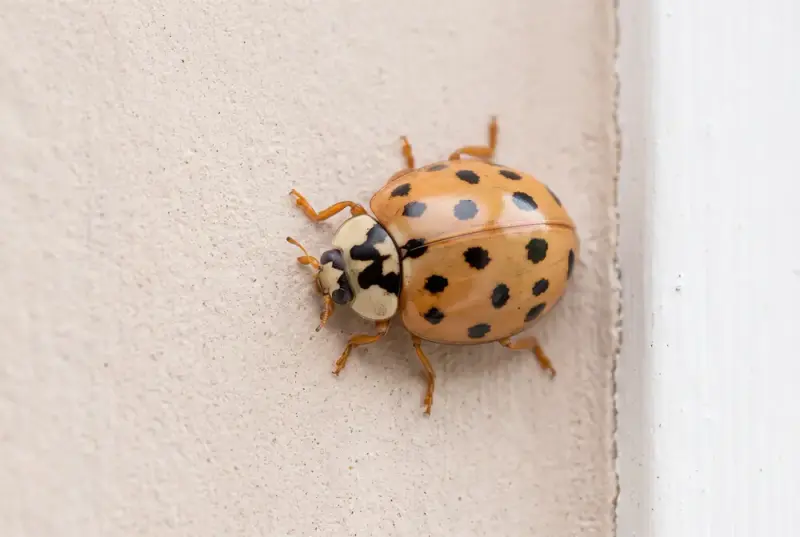
Ladybirds
from £190
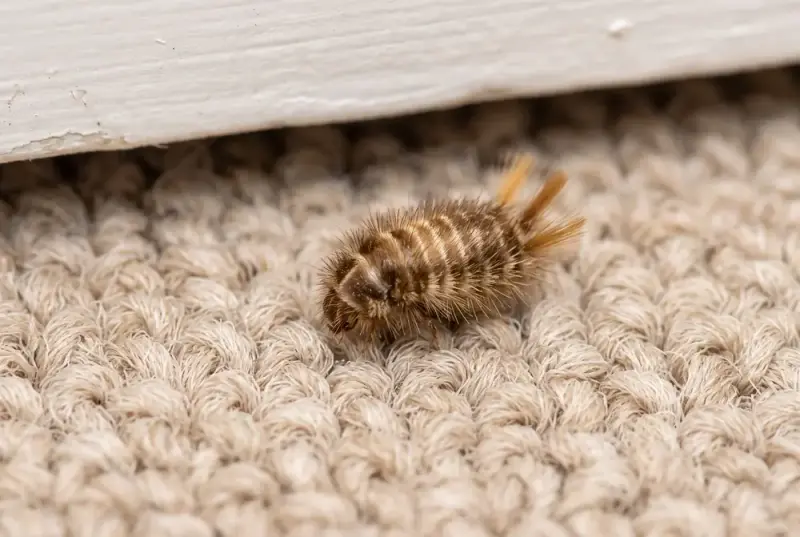
Carpet beetles and biscuit beetles
from £195
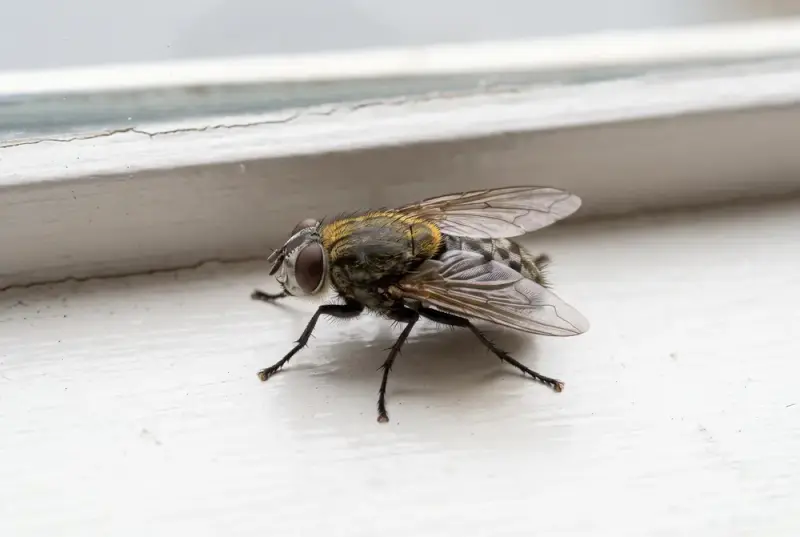
Cluster flies
from £200
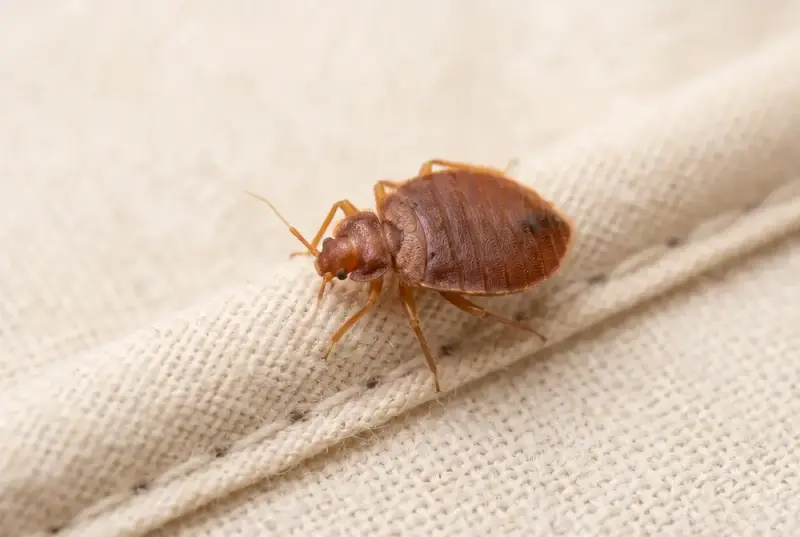
Bed bugs, fleas, mites and moths
from £210
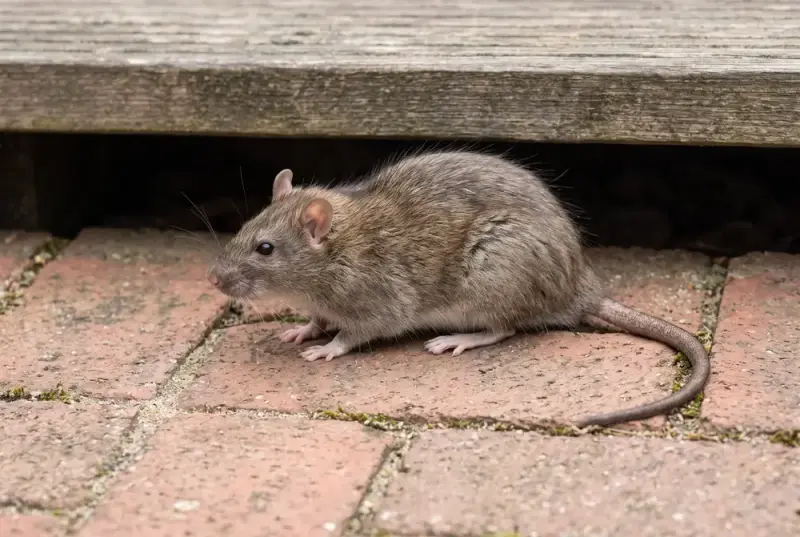
Rats, mice, squirrels and ants
from £240
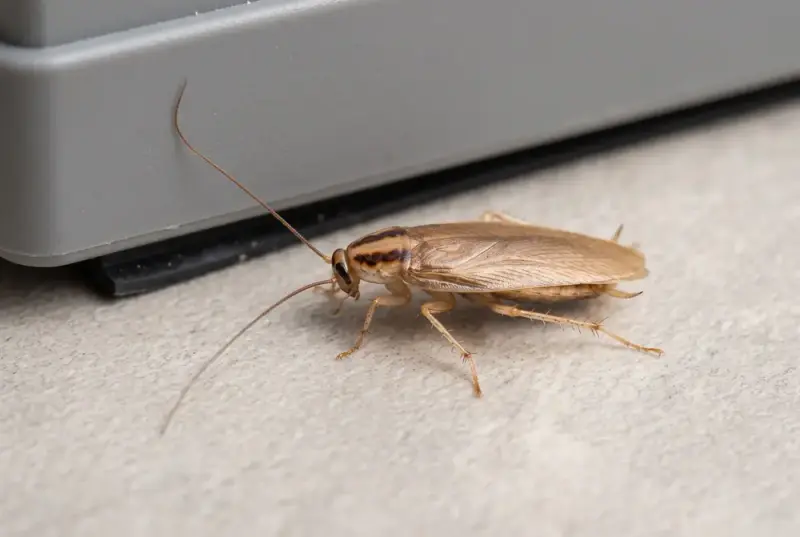
Cockroaches
£550 for five weekly visits
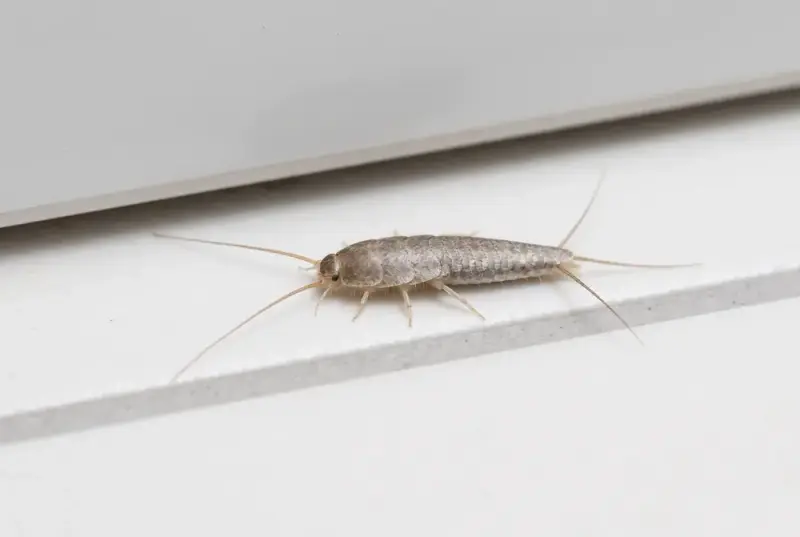
Silverfish
priced after the technician's inspection
Bed bug, flea, mite, moth and beetle prices rise with the number of bedrooms. For bed bugs, fleas, mites and cockroaches we send a preparation sheet first and visit once your home is ready. Evening and weekend visits are available on request, and a weekend visit costs £60 extra. Business sites are priced per site.
Local notes for Crawley
Postcodes and areas
postcodes.io lists RH10 across the wards of Furnace Green, Maidenbower, Northgate & West Green, Pound Hill North & Forge Wood, Pound Hill South & Worth, Southgate, Three Bridges and Tilgate, and the district reaches into Mid Sussex and Tandridge. RH11 covers Bewbush & North Broadfield, Broadfield, Gossops Green & North East Broadfield, Ifield and Langley Green & Tushmore, and reaches Rusper in Horsham district. RH6 takes in Langley Green & Tushmore and Pound Hill North & Forge Wood, then runs on to Horley across four council areas (postcodes.io).
A new town of neighbourhoods
The council says Lewis Silkin, the planning minister, confirmed the new town on 9 January 1947, with a plan for about 50,000 people in nine neighbourhoods between Three Bridges, Ifield and the old market town. Crawley now has 14 neighbourhoods and more than 120,000 residents (council news).
Tilgate, Worth and Broadfield
The council bought the Tilgate pleasure grounds in 1966 as a public park, with two lakes joined by a cascade. Its walled kitchen garden grew trees for the new neighbourhoods, and Gideon Mantell found fossil evidence of the Iguanodon in Tilgate Forest in 1825. James Pulham remodelled Worth Park from 1884 to 1887, and the Victorian mansion came down in the 1960s, with a seven-storey block of flats now in its place. (council report on historic parks and gardens).
Mid Sussex District Council, next door, says a garden that backs on to a stream, a railway embankment or a roadside embankment may face a greater risk of rats (council advice). Further detail sits on our rat and commercial pages.
Your questions, answered.
Is Crawley council treating pests at the moment?
The council’s pest control page, read on 3 November 2026, says it is unable to offer pest control services at present because it has no Pest Control Officer.
Do I have to tell the council about rats?
Under section 3 of the Prevention of Damage by Pests Act 1949, an occupier who learns that rats or mice are living on or visiting land in substantial numbers must give the local authority written notice without delay. The duty does not cover agricultural land. Failing to give notice is a summary offence with a fine of up to level 1.
Which postcode do I use in Ifield, Three Bridges or Pound Hill?
postcodes.io lists Ifield in RH11, Three Bridges in both RH10 and RH11, and Pound Hill in RH10, where its northern ward, Pound Hill North and Forge Wood, also reaches RH6. Districts cross council boundaries, so a place name may not match the postcode. Give the full postcode when you get in touch, and say whether the property is a home or a business.
How do rats get into a house in winter?
Mid Sussex District Council says rats and mice look for somewhere dry and warm in winter. They enter through broken air bricks and gaps around waste pipes, which the council says to fill with cement. Rats can squeeze through a hole of about 25mm, and ivy or wisteria gives them a way up to the roof.
Should I keep feeding the birds if I have rats?
Mid Sussex District Council says to stop bird feeding until rats are under control. Put a catching tray under seed feeders, keep feeders away from hedges and fences, and never hang them from gutter brackets. The council calls taking bird food in at night and sweeping up spilt food the most important step, since rats come out in the dark to feed.