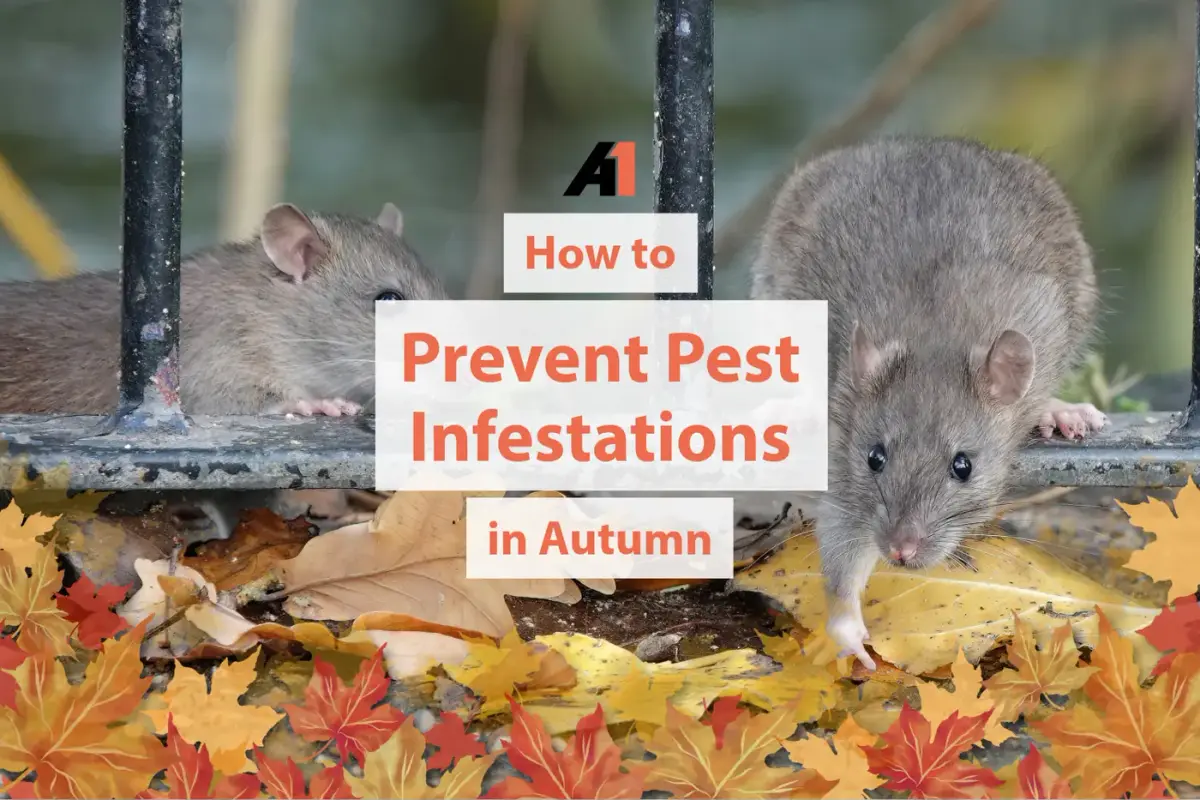
If you suspect a mouse infestation in your home, it's important to act quickly. Mice are one of the most common rodents in the UK and can rapidly turn a minor issue into a full-blown rodent infestation. Spotting the early signs of mice infestation can help you prevent damage, health risks, and costly future infestations.
This guide will help you understand the key signs of mice in your home, how to differentiate them from other rodents like rats, and what actions to take.
Signs of Mice Infestation
1. Mice Droppings and Urine Stains
One of the most obvious signs is finding mouse droppings. Mouse poop is small, dark, and pellet-shaped, usually around 3 to 6mm long. You’ll commonly find mice droppings along skirting boards, in cupboards, near food sources, and under sinks. Fresh droppings are soft and dark, while older ones appear dry and crumbly. Urine stains, often invisible to the naked eye, can sometimes be detected under an ultraviolet (UV) light.
If you find mouse droppings or urine trails, you should immediately wash the area with warm water and disinfectant.
2. Mice Scratching Sounds and Nocturnal Activity
Mice are nocturnal creatures, so you may hear them moving or scratching at night. These sounds often come from walls, lofts, floorboards, or hidden areas like behind kitchen units. A scratching sound is a sure sign that house mice or another type of rodent are active in your home.
3. Gnaw Marks and Damaged Food Packages
Mice tend to chew through food packages, wires, wood, and plastic. Gnaw marks on furniture, electric cables, or food containers are a clear indication. This behaviour not only damages your belongings but also poses a risk of electrical fires when electric cables are affected.
4. Nests and Nesting Materials
House mice build nests using shredded paper, dried plant matter, fabric, or insulation. You might find these nests in storage boxes, behind appliances, or in loft spaces. Finding nesting material like shredded paper or soft fabrics is a strong indicator of a nest nearby. Mice live in hidden areas and choose places close to food sources.
5. Grease Marks and Smear Trails
Mice leave grease marks along walls and skirting boards where they travel regularly. These oily smudges, caused by their fur rubbing against surfaces, are one of the lesser-known signs of rodent infestations but highly reliable.
6. Dead Rodents or Strong Smells
A dead mouse or rat hidden in a wall cavity can create a strong, unpleasant smell. If you detect this and suspect the presence of dead rodents, it is time to contact pest control professionals for removal and sanitation.
7. Unusual Pet Behaviour
Pets may pick up on the presence of mice before you do. If your cat or dog seems unusually fixated on a certain wall or cupboard, it may be reacting to mice scratching inside.
Mice Identification: House Mouse or Wood Mouse?
The mice you’re most likely to encounter are the house mouse and the wood mouse, sometimes known as the field mouse. House mice are the most frequent invaders in homes and business premises. They typically have grey or brown fur, large ears, and long tails. Identifying the type of mouse can help pest control professionals create more targeted solutions.
Mouse Traps and Controlling Mice
Once signs are confirmed, setting snap traps or using bait stations can help in controlling mice. Traps should be placed near known entry points or where droppings and gnaw marks are found. While mouse traps can be effective for small infestations, larger issues often require help from the pest control industry.
Prevent Rodent Infestations
To get rid of mice and prevent rodent infestations, take the following steps:
- Seal entry points with steel wool or wire wool, especially around pipes, vents, and exterior doors.
- Fit door sweeps on exterior doors.
- Store food in airtight containers.
- Clean surfaces regularly and don’t leave food out overnight.
- Avoid using open storage boxes for food or rubbish.
When to Contact Pest Control
If you’ve seen multiple signs, or are dealing with many mice, it’s best to immediately contact a professional. Pest control experts will inspect your property, locate nests, identify entry points, and create a treatment plan. They also help ensure proper disease control by handling mouse droppings, dead rodents, and contaminated areas safely.
Final Thoughts
A mouse infestation is more than just a nuisance, it can threaten your property and health. Knowing the signs of mice infestation, like gnaw marks, mouse droppings, scratching sounds, or nesting material, allows you to take quick action. Whether you’re in a flat, house, or business premises, the earlier you detect rodent infestations, the easier they are to manage.
Don’t wait until the problem gets worse, get help from trained pest control professionals at A1 Pest Control who can rid your home of mice and prevent them from coming back.