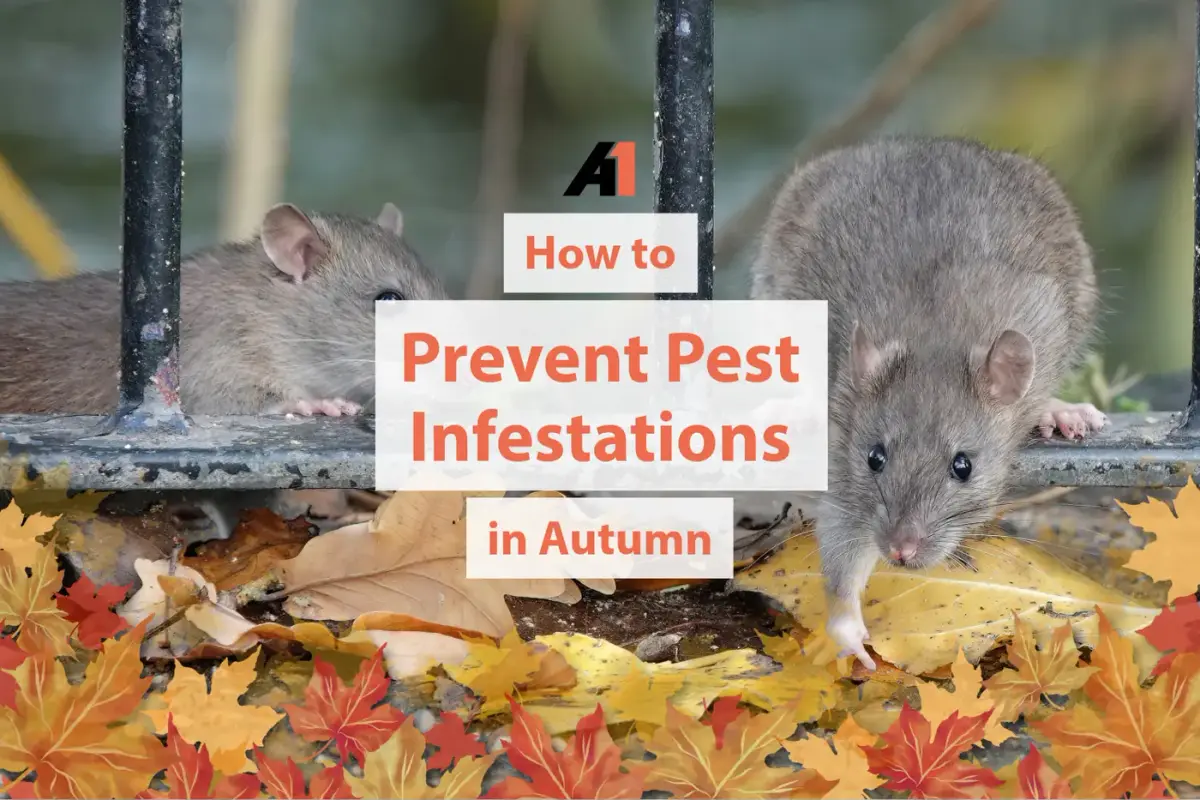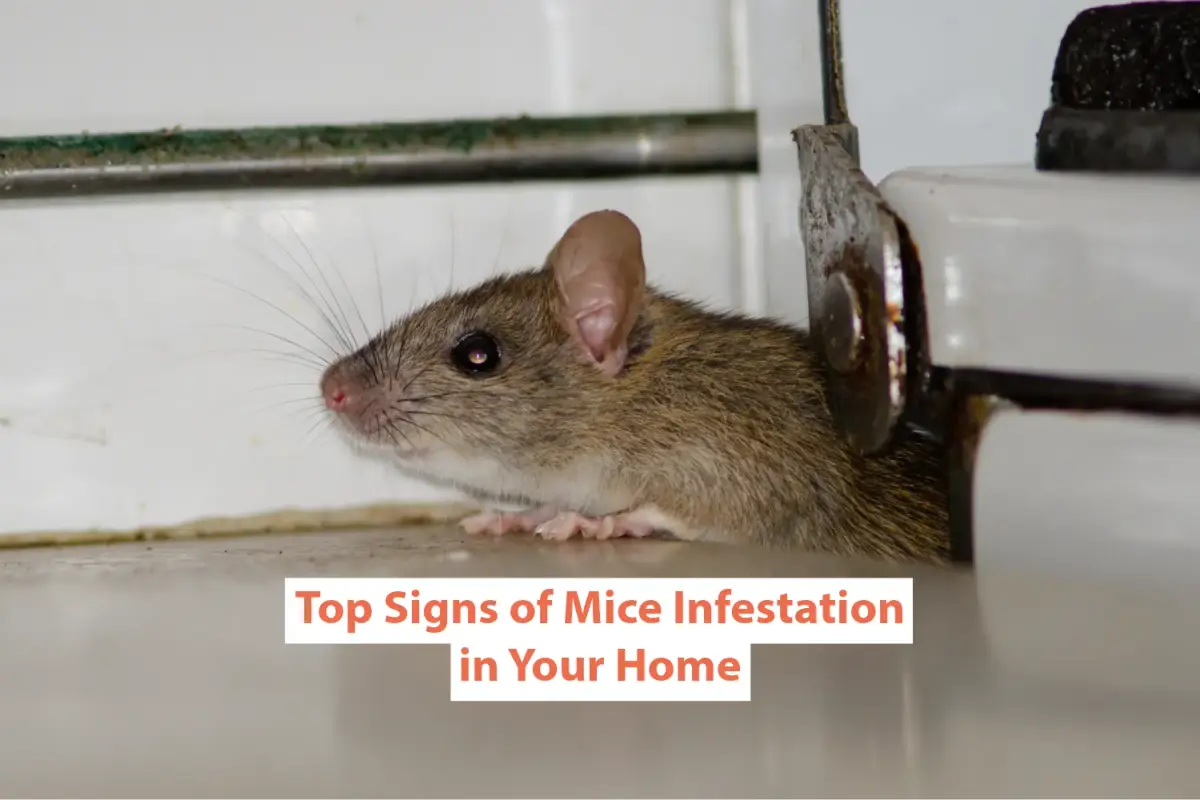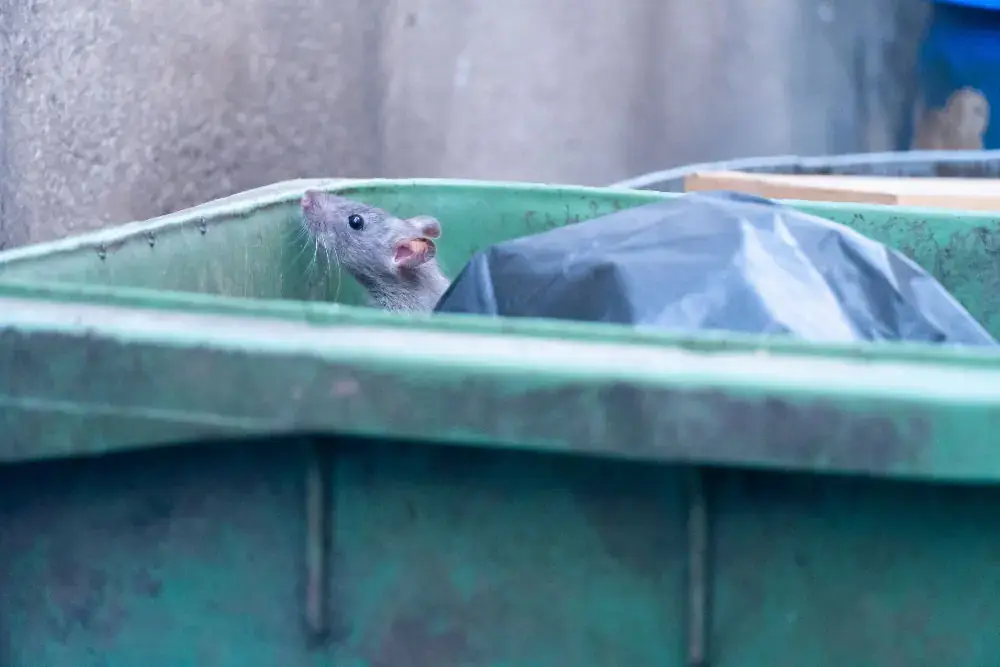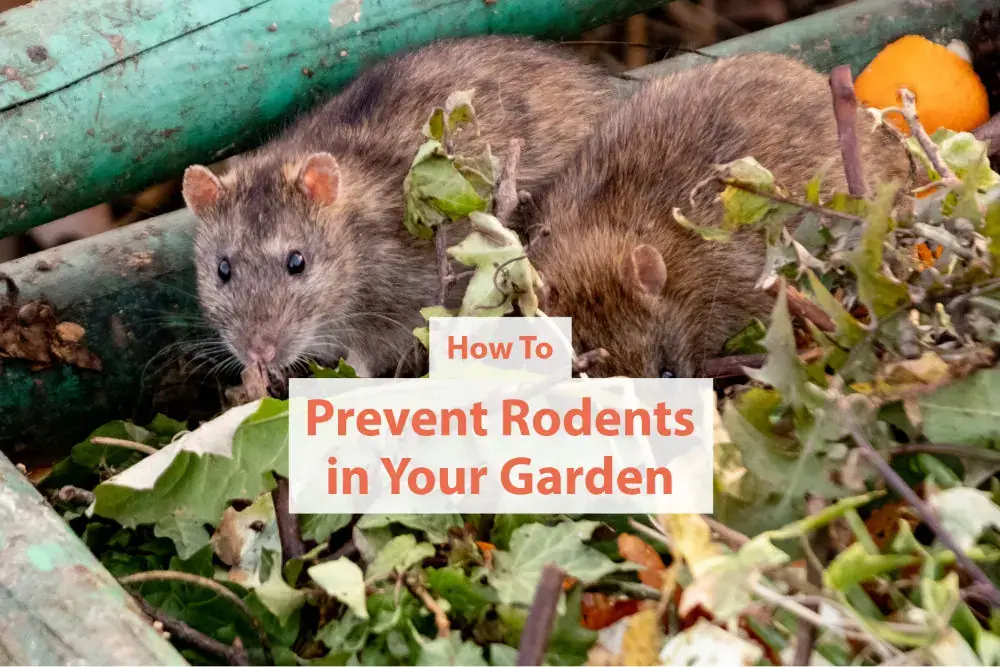
As the temperature drops, rodents such as brown rats and black rats start seeking warmth, food, and shelter. Gardens become prime targets during winter, with compost heaps, sheds, greenhouses, and bird feeders offering ideal nesting sites. Not only can rats eat and damage plants, vegetables, and wiring, but they can also spread diseases such as Weil's disease, posing health risks to humans, pets, and other animals.
Taking early preventative measures to prevent rodents from settling in your own property can save time, money, and stress.
Why Garden Rats Are a Problem in Winter
During colder months, rats and mice move closer to sources of warmth and food. Garden rats are particularly attracted to:
- Bird food, bird seed, and bird feeders
- Pet food left outdoors
- Fallen fruit and unprotected compost bins or compost heaps
These food sources not only attract rats but also encourage them to gnaw on plants, wooden structures, and wires. Rats’ teeth continuously grow, so they need to chew constantly, causing rat damage.
Rats are social animals, and one rat can quickly turn into a colony. They leave rat droppings, rat holes, and sometimes rat urine, all of which are tell-tale signs of a rat infestation.
Common Signs of Rodent Activity
Identifying garden rats early is key to taking effective action. Most common signs include:
- Gnaw marks on wood, fences, wires, or wire wool
- Rat holes in soil, compost, or under sheds
- Rat droppings scattered around compost bins, under bird tables, or along entry points
- Footprints in soft soil or dust
- Smell: a musky odour indicating the presence of rodents
- Nesting sites made from shredded vegetation or new objects
Detecting these common signs early allows you to implement preventative measures before a rat infestation spreads.
How to Make Your Garden Less Attractive to Rodents
Preventing rats is easier than trying to get rid of them once they establish a colony. Preventative measures include:
- Remove food sources
- Secure pet food indoors.
- Avoid leaving bird seed, bird food, or food provided for garden birds out overnight.
- Clear fallen fruit and store compost properly in compost bins with tight-fitting lids.
- Maintain a tidy garden
- Keep garden areas neat and remove overgrown areas where rodents can hide.
- Remove debris, long grass, and clutter to reduce hiding spots.
- Protect outdoor structures
- Seal gaps, holes, and entry points in sheds, greenhouses, and fences using chicken wire or wire wool.
- Block access under decking, garden walls, or around compost bins.
- Use natural deterrents
- Natural predators, such as owls or cats, can help deter rats.
- Certain scents, like peppermint oil, can also stop rats from entering some areas.
- Avoid providing unintentional food
- Do not leave pet food or scraps outdoors for extended periods.
- Remove any food sources that rats love to feed on, including uneaten vegetables or fruit.
By implementing these steps, you can significantly reduce the risk of rodents establishing themselves in your garden.
When to Call a Professional
Sometimes preventative measures aren’t enough. Persistent rat infestations require professional help:
- Trained pest control specialists, certified to use professional rodenticides, can get rid of rats safely.
- They assess nesting sites, entry points, and potential rat damage.
- Professionals ensure that humans, pets, and wildlife are protected during treatment.
DIY traps or poison should be a last resort, as rats are smart, social animals, and improper handling can create additional health risks.
Local authorities can sometimes provide advice on handling infestations, especially in urban areas or national parks, but professional pest control ensures thorough removal and ongoing prevention.
Conclusion
Winter is the perfect time to implement preventative measures against garden rats. By removing food sources, securing compost bins, keeping your garden neat, and blocking entry points, you can protect your own property from a rat infestation.
If rodents persist despite your efforts, it’s time to call professionals. A1 Pest Control specialises in safe and effective rodent prevention across the UK, helping you stop rats, protect pets, and keep your garden free from disease and damage.
Don’t wait until the problem worsens. Contact A1 Pest Control today for expert advice and effective rodent control this winter.
Frequently Asked Questions (FAQ)
1. How can I prevent rodents in my garden?
You can prevent rodents by removing food sources such as fallen fruit, bird seed, bird food, and pet food. Keep compost bins secure, tidy overgrown areas, and seal entry points into sheds and greenhouses using chicken wire or wire wool. Keeping your garden neat and reducing hiding spots will also deter rats.
2. What are the common signs of a rat infestation?
Common signs include rat droppings, gnaw marks, rat holes, rat urine, footprints in soil or dust, and a musky smell. You may also notice damage to plants, compost heaps, wires, or outdoor structures. Early detection helps prevent rat damage and health risks.
3. Why are rats a problem in gardens during winter?
In winter, rats and mice search for warmth and food sources. They can spread diseases like Weil’s disease, damage plants, soil, compost, and vegetables, and create nesting sites in sheds or under decking. Brown rats and black rats are social animals, meaning one rat can quickly attract more.
4. What do rats eat?
Rats eat a wide variety of items, including fallen fruit, vegetables, bird seed, pet food, and sometimes small wildlife or birds’ eggs. Garden rats are opportunistic feeders and will take advantage of any easily accessible food provided.
5. How do I get rid of rats safely?
While small infestations may be managed with traps, professional pest control is the safest option. Experts can assess nesting sites, entry points, and rat damage, and use methods that protect humans, pets, and wildlife. DIY poison should be a last resort, as improper use can create health risks.
6. Can rodents affect pets and other animals?
Yes. Rats can chew through pet food storage, contaminate outdoor feeding areas, and transmit diseases such as Weil’s disease. They can also damage fencing or shelters used by chickens or garden birds.
7. What preventative measures can I take for future winters?
- Keep compost bins closed and maintain compost heaps properly.
- Remove fallen fruit and leftover food.
- Seal all entry points in sheds, greenhouses, and fences.
- Use chicken wire or wire wool to block gaps.
- Keep your garden neat and avoid overgrown areas.
- Encourage natural predators, such as cats or owls, to help deter rats.
Implementing these steps will significantly reduce the risk of future infestations.
8. Who can I contact if the rat problem persists?
If rodents remain despite taking preventative steps, contact A1 Pest Control. Our team specialises in identifying rat holes, nesting sites, and entry points, and provides safe and effective removal solutions across the UK.