As the cold winter months end, many property owners look forward to the warmer days of spring. However, spring also marks the return of various household pests.
As temperatures rise, insects and rodents become more active, searching for food, water, and shelter through gaps around doors and windows. Without proper preventive measures, your home could become a target for these unwanted invaders.
Pests can pose serious health risks, contaminate food, and even cause structural damage. That’s why taking early action is crucial. By following a few simple steps before spring fully arrives, you can ensure a pest-free home for your family.
This guide offers a seasonal pest prevention checklist for spring. It includes important steps to prepare your home for spring. If you are dealing with insects, rodents, or other pests, this guide will help you protect your property.
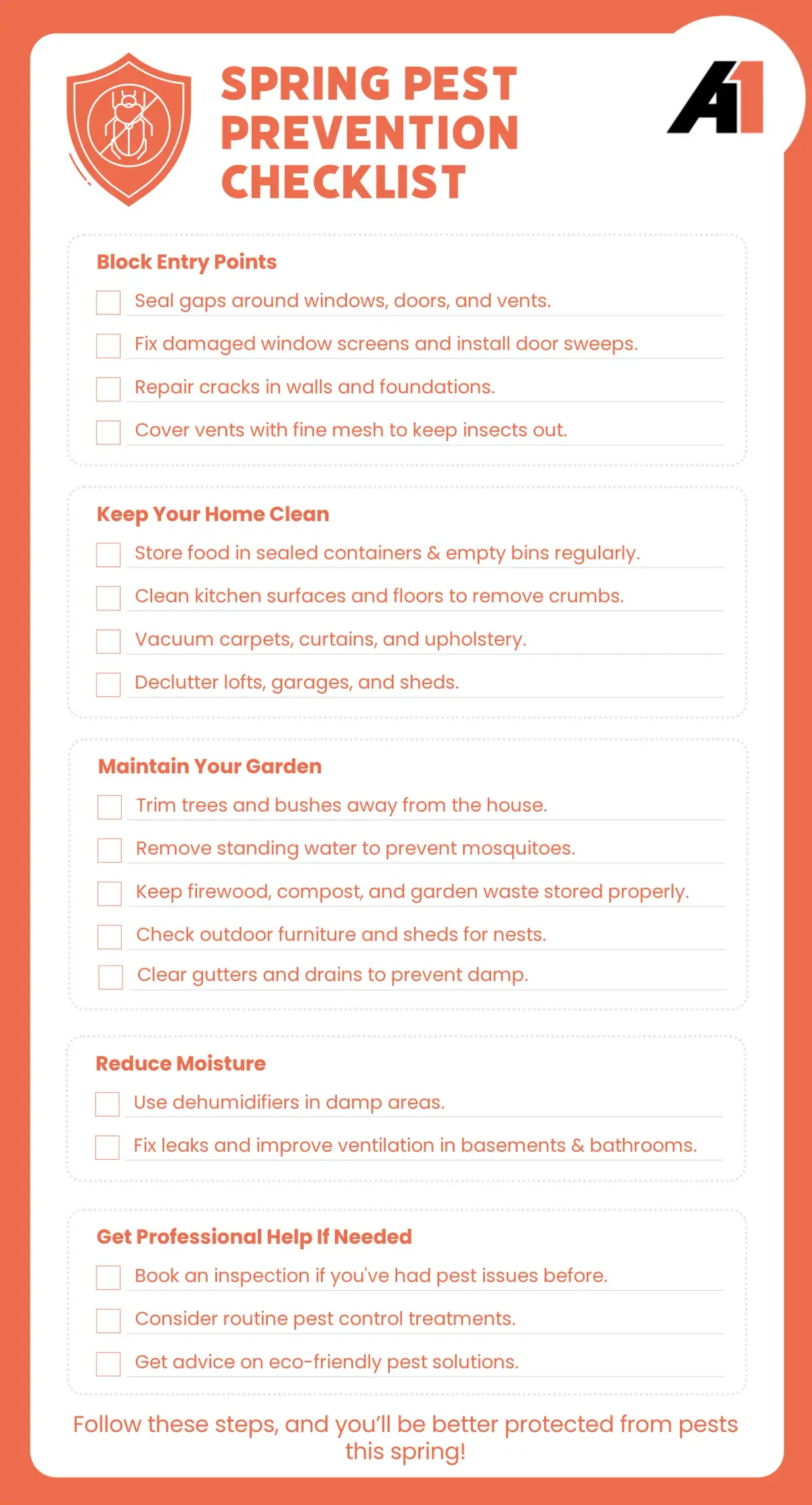
To help you prepare, we’ve created a free Spring Pest Prevention Checklist that outlines simple steps to keep your home pest-free. Download the Spring Pest Prevention Checklist (PDF, 1 page) and stay ahead of potential infestations!
Why Early Seasonal Pest Prevention Matters
Preventing pests before they invade is far easier and more cost-effective than dealing with an infestation. Many common spring pests start breeding early in the season. Consulting pest control experts can help identify and address potential pest infestation before it becomes a major problem. This means that even a small problem can grow quickly if not controlled.
Many pests can spread disease, trigger allergies, or cause damage to property. Wasps and bees can pose a danger to those with allergies, while rodents can chew through wires, leading to potential fire hazards.
By taking these next steps, you not only protect your home but also ensure the health and safety of your family. Taking preventive action before spring sets in will save you from the stress and expense of handling an infestation later. Stay proactive, and enjoy a pest-free home this spring and summer.
Common Spring Pests in UK Homes
Springtime in the UK brings an increase in pest activity. Some of the most common household pests during this season include:
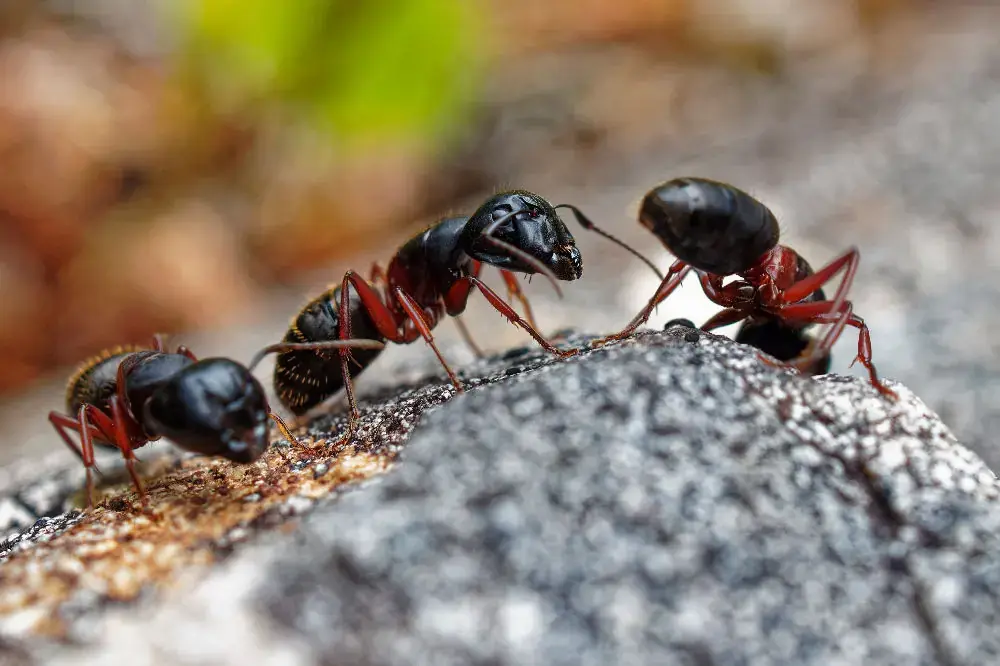
- Ants: As temperatures rise, ants become more active in their search for food, often invading kitchens and pantries. Their colonies can quickly grow, making infestations difficult to control without early intervention.
- Flies: House flies, fruit flies, and cluster flies become a nuisance as they breed rapidly in warm conditions. These pests can spread bacteria and contaminate food.
- Wasps: Queen wasps emerge from hibernation to establish new nests, which can lead to large infestations later in the season. Early nest removal is crucial.
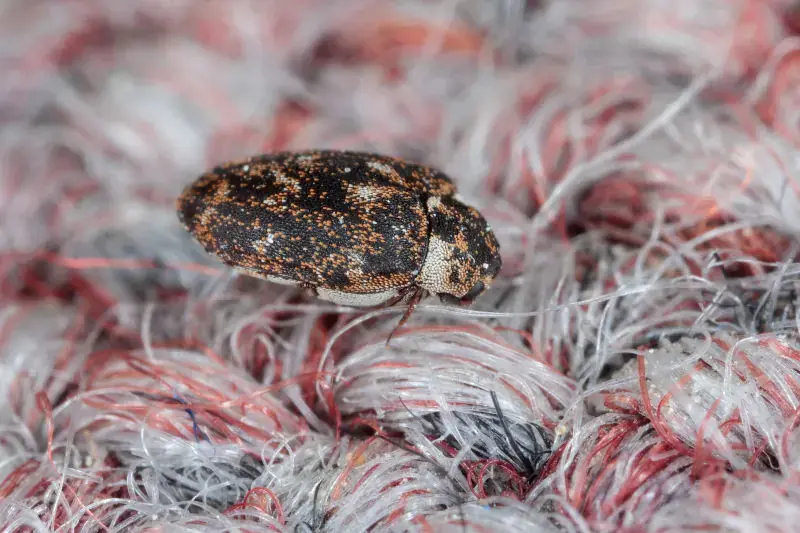
- Moths: Clothes moths, carpet moths and pantry moths become more prevalent, causing damage to fabrics and stored food products.
- Rodents: Mice and rats remain active year-round, but increased food availability in spring can attract them to homes and gardens. They pose significant health risks and can cause structural damage.
- Spiders: Many spiders become more visible indoors as they seek mates during the warmer months. While most are harmless, some can bite if disturbed.
- Bed Bugs: Increased travel during the spring holiday period can lead to a higher risk of bed bug infestations. These pests are challenging to eliminate without professional treatment.
- Cockroaches: These pests thrive in warmer environments, making spring a prime time for infestations to start. Cockroaches can spread disease and trigger allergies.
Spring Cleaning Pest Prevention UK Checklist
Here are some spring cleaning tips to avoid the most common pests in your home or business before scheduling spring pest inspections.
1. Seal Entry Points
Pests can enter your home through the tiniest gaps and cracks, which are potential entry points. Before spring arrives, inspect your home’s exterior by sealing entry points to prevent pests and take the following steps:
- Check for gaps around windows, doors, and vents, sealing any openings with caulk or weather stripping.
- Repair damaged window screens to prevent insects from entering.
- Install door sweeps on external doors to block rodents and crawling insects.
- Repair cracks in walls, foundations, and skirting boards.
- Cover vents with fine mesh screens to prevent insect access.
2. Maintain Cleanliness
Keeping your home clean can significantly reduce the risk of infestation. Focus on these key areas to deter pests:
- Store food in airtight, plastic containers and avoid leaving pet food exposed.
- Dispose of rubbish and expired food regularly, using plastic bins with tightly fitting lids.
- Deep clean kitchen surfaces, sinks, and floors to eliminate food sources like crumbs and spills.
- Do not leave dirty dishes in the sink overnight, as this can attract pests.
- Vacuum carpets, curtains, and upholstery to eliminate dust, food particles, and pest eggs.
- Declutter storage areas such as lofts, garages, and sheds to minimise hiding places.
- Avoid using cardboard boxes for storage, as they can provide nesting places for pests.
3. Manage Outdoor Areas
Your garden and outdoor spaces can serve as breeding grounds for pests. To deter infestations:
- Trim trees, trim bushes, and vegetation away from your home to prevent pests from using them as bridges and gaining access to your home and business.
- Remove standing water to avoid attracting mosquitoes and other insects.
- Keep firewood, compost, and garden waste, like fallen leaves, stored away from the house.
- Inspect garden furniture and outbuildings for early signs of nests.
- Ensure gutters and drains are clear of debris to prevent damp conditions that attract pests.
4. Schedule Inspections and Professional Pest Control
Even with the best prevention, professional inspections can find early signs of pests. This helps stop infestations from getting worse. Consider:
- Booking a pest control inspection to identify potential risk areas.
- Arranging for a routine treatment plan if you have a history of pest issues.
- Seeking professional advice on humane and eco-friendly pest control methods.
5. Address Moisture and Ventilation Issues
Many pests thrive in damp environments, making proper ventilation essential for pest prevention:
- Use dehumidifiers in damp areas to reduce moisture levels.
- Fix leaky taps, pipes, and roof leaks to eliminate water sources for pests.
- Improve ventilation in basements, attics, and bathrooms to prevent mould and pest infestations.
Why Choose A1 Pest Control?
At A1 Pest Control, we understand that preventing pests is just as important as eliminating them. Our expert team provides:
- Fast & Effective Treatments: We use the latest pest control techniques to safely remove infestations quickly.
- Tailored Pest Prevention Plans: Our specialists will assess your home and create a customised prevention strategy.
- Local Expertise: With extensive knowledge of UK pest problems, we offer effective and long-lasting solutions.
Act Now to Deter Pests & Protect Your Home
By implementing these preventive measures before spring arrives, you can greatly reduce the likelihood of pests invading your home and prevent pest infestations. Early action is key to maintaining a safe, comfortable, and pest-free environment. Download our free Spring Pest Prevention Checklist (PDF) today and get ahead of the season.
Don’t wait for pests to become a problem. Take action today. Contact A1 Pest Control for professional pest inspections before spring to ensure you protect your home this season. Call us now or visit A1 Pest Control to book an inspection!