As temperatures rise in the UK, many homeowners start noticing a familiar and frustrating issue: ants in the house. Ants invading their homes can quickly become a nuisance, as these persistent pests are not only bothersome but can also disrupt daily life.
During the summer months, ants become more active, foraging for food and moisture, and often making their way inside. While a few ants might seem harmless, they can quickly multiply into a full ant infestation if not dealt with properly.
In this guide, we’ll explain why ants are such a common summer pest in the UK, how to spot the signs of an infestation, what you can do to prevent them, and why calling in professional ant pest control services like A1 Pest Control is often the best solution for how to get rid of ants.
Why Do Ants Invade Homes in the Summer?
Summer offers the perfect conditions for ants to thrive. Ant colonies become more active in warmer weather, especially black garden ants, the most common species found in UK homes. Their main goal? Foraging for food, particularly sweet substances, and finding a reliable water source.
Common reasons ants enter homes in summer include:
- Unsealed food containers or sugary spills in the kitchen
- Crumbs and pet food left out
- Pet food bowls left unwashed or with leftover food
- Unclean pet bowls
- Open windows and patio doors during warmer days
- Moisture sources, such as leaking pipes or sinks
Ants are drawn indoors by exposed food sources, including pet food bowls, which attract ants and contribute to attracting ants into the home. Eliminating these food sources is crucial, as anything that attracts ants can quickly lead to an infestation.
Once ants locate a food source, they leave a pheromone trail that attracts the rest of the colony. This is why you may suddenly notice long lines of ants in your kitchen or bathroom during summer.
Common Types of Ants in UK Homes
Understanding the type of ant invading your home can help determine the right treatment. Different ant species require different control methods, as each species has unique behaviours and preferences that affect how they should be managed.
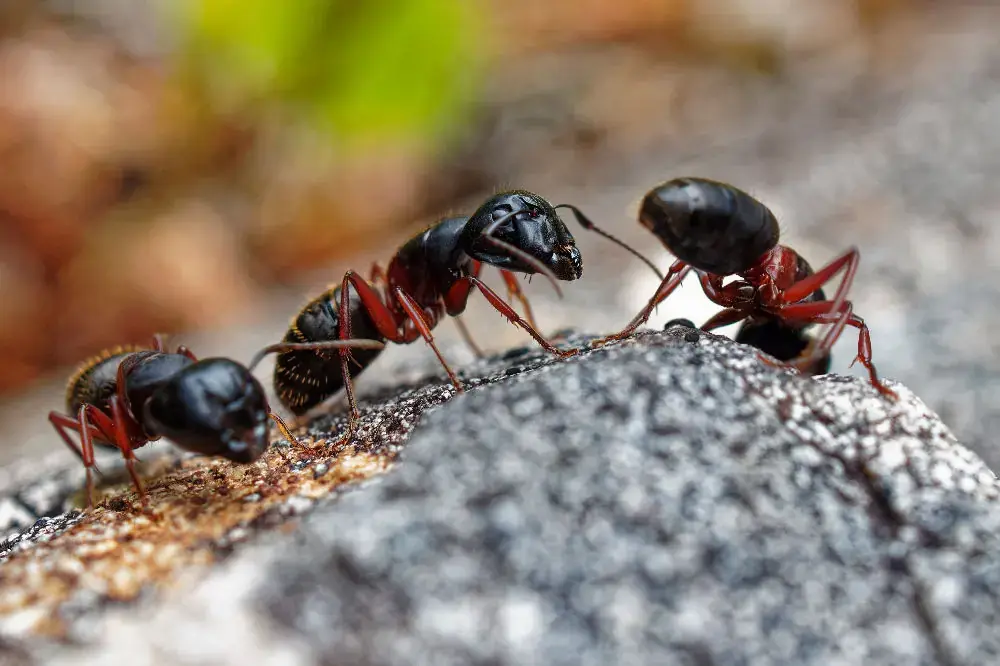
1. Black Garden Ants (Lasius niger)
- The most common ants found in UK households
- Harmless but annoying when foraging indoors
- Known for forming long visible trails
- Black garden ants are known for forming large colonies, which can make them difficult to control once established indoors
2. Pharaoh Ants
- Smaller, yellow ants
- Thrive in warm buildings like flats and hospitals
- Difficult to control without professional help
3. Flying Ants
- Typically black garden ants in their reproductive stage
- Appear suddenly during "Flying Ant Day" in July or August
- Often seen swarming outdoors or around windows
Knowing the species helps tailor ant pest control treatments to be more effective.
Signs of an Ant Infestation
If you’re seeing more ants than usual, it’s time to take action. Watch for these common signs of an ant infestation in your UK home:
- Visible ant trails, especially along skirting boards or kitchen worktops
- Small piles of soil or sand near cracks or walls, often accompanied by small holes in the ground or near walls (potential nest entrances). Disturbed earth around entry points is a clear sign of ant activity.
- Sudden appearance of winged ants indoors (a sign of colony reproduction)
- Food packaging damage or ants inside cupboards and food containers
Ants can introduce bacteria into your home, leading to food contamination and increasing the risk of diseases. Some ant species may carry diseases or harmful microorganisms, making it important to address infestations promptly.
If left untreated, ant infestations can spread quickly and become more difficult to manage.
DIY Prevention Tips
The good news is, you can take steps to prevent ants in summer before they become a problem.
1. Keep Your Kitchen Clean
- Wipe down all kitchen surfaces, including counters, tables, shelves, and floors, to remove food residues that attract ants.
- Sweep and mop regularly to eliminate crumbs and spills.
- Take out the trash frequently and keep bins clean.
2. Store Food Properly
- Keep all food in sealed containers to prevent ants from accessing it.
- Avoid leaving pet food out for extended periods.
- Clean up spills and crumbs immediately.
3. Eliminate Entry Points
- Seal cracks and gaps around windows, doors, and baseboards.
- Repair damaged screens and weather stripping.
- Check for gaps around pipes and utility lines.
4. Use Natural Deterrents and Remedies
- Repelling ants can be achieved by using natural remedies and natural deterrents such as essential oils (like peppermint oil or lavender), vinegar, citrus, and spices.
- Sprinkle pepper around entry points, baseboards, and behind appliances to deter ants, as they dislike the strong smell.
- Try spraying natural substances like vinegar or essential oils around entry points and ant trails to keep ants away.
- The strong smell of these substances helps deter ants and prevent them from entering your home.
It's important to stay vigilant, especially during the warmer months, by regularly checking for signs of ants and maintaining both indoor and outdoor areas. Trim vegetation and plants near exterior walls to prevent ants from using them as pathways into your home. These steps will help prevent future infestations and reduce the risk of future infestations.
Keep your home clean
- Wipe down kitchen counters daily
- Sweep and vacuum crumbs regularly
- Clean up sugary spills immediately
Store food securely
- Use airtight containers for cereals, sugar, and pet food
- Don’t leave fruit bowls or snacks exposed
Seal entry points
- Check for cracks around windows, doors and skirting boards
- Use silicone caulk to seal gaps
Try natural ant deterrents
- Wipe entry areas with white vinegar or lemon juice
- Sprinkle cinnamon or coffee grounds near known entry points
While these methods can help, they may only offer temporary relief, especially if the nest is close to your home.
Why Professional Ant Pest Control is Often Necessary
If ants keep returning or if you’re struggling with a specific problem of persistent ant infestations, it’s time to call in a professional pest control technician.
At A1 Pest Control, we offer targeted ant pest control services across the UK, designed to eliminate infestations quickly and safely.
Here’s why professional treatment is often necessary:
- DIY sprays only kill surface ants: the colony remains untouched
- Pharaoh and flying ants require specialist treatment
- Ant nests may be hidden under floors, in cavity walls or outside paving
- Recurring infestations may indicate the presence of a whole colony or entire colony that needs to be eliminated
We use safe, approved insecticides, insecticide bait, bait stations, and other pesticides as part of our approach. These methods destroy ants at the source, including the queen, and are tailored to your specific problem. This ensures long-term ant control, not just a short-term fix.
Professional ant pest control is the most effective way to eliminate ants and prevent future problems.
How A1 Pest Control Can Help Get Rid of Ants
A1 Pest Control treats ant infestations in UK homes.
We provide:
- Thorough property inspections to identify the source of infestation
- Tailored ant control solutions for homes and businesses
- Safe treatments for families, pets and the environment
- Advice on long-term ant prevention
- Follow-up visits if required
Whether you’re dealing with flying ants, black ants in your kitchen, or ants nesting near your property, we’re here to help, quickly and discreetly.
Final Tips and Takeaway
Ants are a common summer pest in the UK, but you don’t have to live with them. The key is acting fast, maintaining good hygiene, and knowing when to bring in the professionals.
If you’ve tried DIY methods and the ants keep coming back, trust A1 Pest Control to solve the problem effectively.
Get in Touch
Don’t let ants take over your home this summer. Contact A1 Pest Control today for expert ant pest control in the UK. Call us or book an appointment online for a fast, reliable solution.