Travel can be an enriching experience, but it comes with risks, like unintentionally bringing home bed bugs. These resilient pests are notorious for hitching a ride on luggage, clothing, or personal items, causing stress and financial strain. At A1 Pest Control, we’re experts in bed bug treatment and effective pest control, helping you stay bed bug-free. Follow these tips to protect yourself and your home when travelling.
Why Bed Bugs Are a Growing Concern
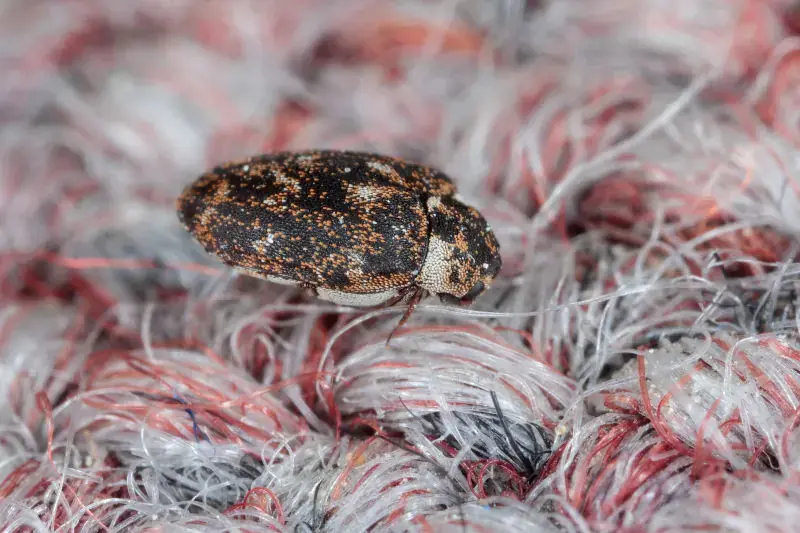
Bed bugs are small, flat insects that feed on human blood, typically at night. Found in hotels, hostels, and public transport, they can hide in cracks and crevices, making detection difficult. Without professional pest control, they can multiply quickly and spread throughout your home.
Top Tips for Preventing Bed Bugs When Travelling
1. Choose Your Accommodation Wisely
- Before booking, read online reviews for reports of bed bugs. Websites like TripAdvisor and Google Reviews often include firsthand accounts.
- Opt for accommodations with high cleanliness ratings to reduce your risk.
2. Inspect Your Room for Bed Bugs
Upon arrival, inspect these key areas:
- Mattress seams: Look for small black spots (droppings) or rust-coloured stains.
- Headboards and bed frames: Check crevices and joints.
- Furniture and curtains: Bed bugs often hide here.
3. Raise and Protect Your Luggage
- Place your luggage on a rack or hard surface, not the bed or floor.
- Use resealable plastic bags to protect clothes and personal items.
- Consider travel-sized bed bug encasements for your luggage.
4. Handle Laundry With Care
- Store dirty laundry in sealed bags, as it attracts bed bugs.
- Upon returning home, wash all clothing in hot water and dry on high heat to kill any hitchhikers.
5. Be Vigilant When Returning Home
After your trip, inspect your luggage thoroughly:
- Vacuum suitcases, paying attention to seams and folds.
- Use a bed bug treatment spray to prevent potential infestations.
Signs You May Have Brought Bed Bugs Home
Bed bugs are difficult to detect early, but common signs include:
- Clusters of small, itchy bites on your skin.
- Tiny black spots or shed skins in your bedding.
- An unusual, musty odour in your bedroom.
If you notice any of these signs, act quickly to prevent the infestation from worsening. Contact A1 Pest Control for professional bed bug treatment services.
Why Choose A1 Pest Control for Bed Bug Treatment?
Dealing with bed bugs requires specialised knowledge and tools. At A1 Pest Control, we offer:
- Bed Bug Treatment: Bed bugs are difficult to get rid of yourself, so the NHS advises getting your local council or a pest control service involved.
- Expert Pest Control Services: We use safe, effective methods tailored to your needs.
Your Partner in Pest Control and Prevention
Preventing bed bugs when travelling is possible with a few simple precautions. However, if you find yourself dealing with an infestation, don’t hesitate to call A1 Pest Control. We provide professional bed bug treatment services to help you reclaim your home quickly and safely.
Contact A1 Pest Control Today
Get in touch for a consultation and let us handle all your pest control needs.