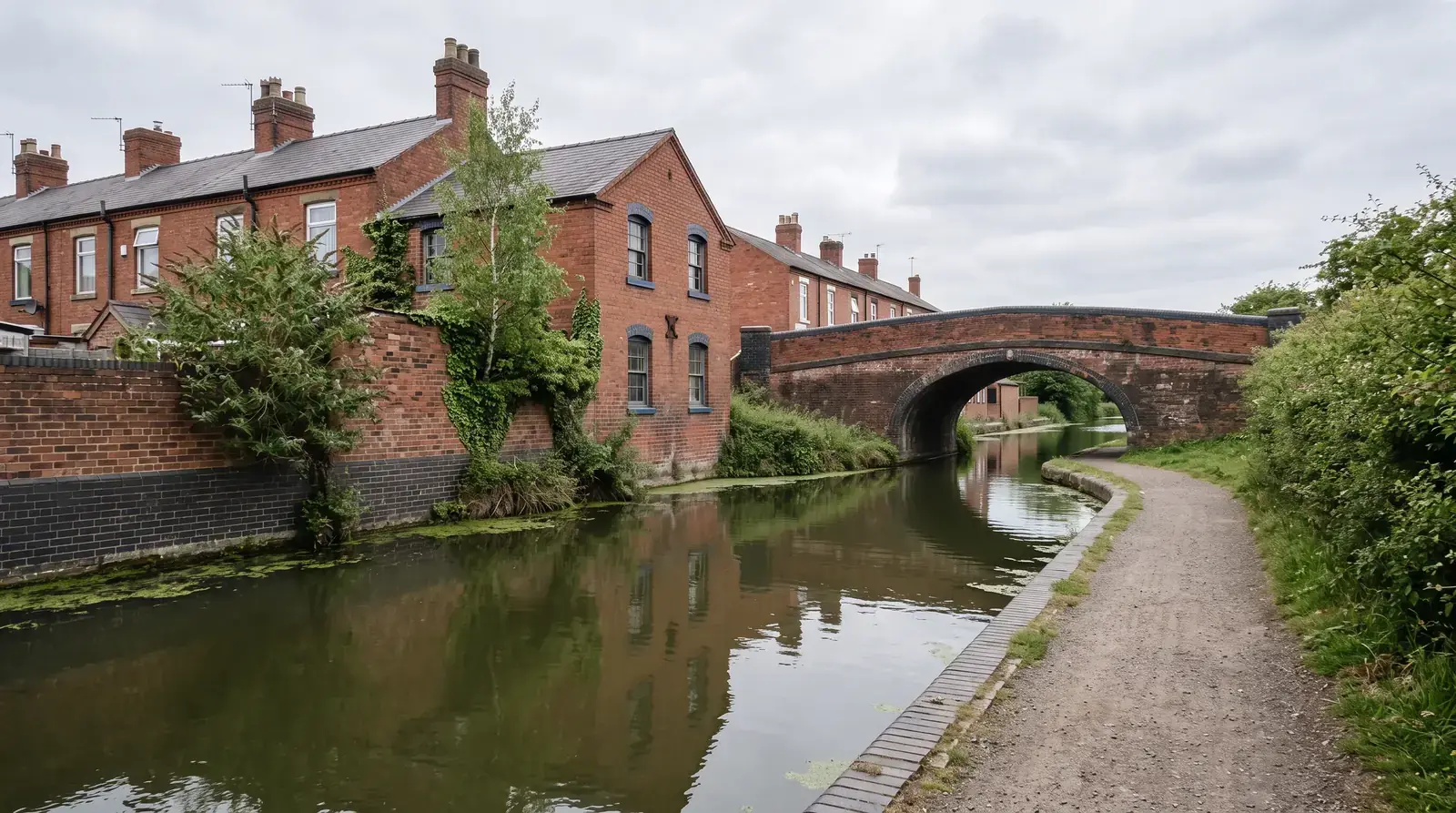
Pest control in Stoke-on-Trent
A1 Pest Control covers Stoke-on-Trent for homes and businesses. Send a postcode and what you have seen, and we will say whether a visit is possible. Stoke is a city of six towns, Burslem, Fenton, Hanley, Longton, Stoke and Tunstall, joined in 1910 and strung along the A50 in the upper Trent valley. Semis make up 46.1 per cent of households, terraces 27.6 per cent and detached houses 15.0 per cent (ONS Census 2021). Tell us your postcode, the pest you suspect and where you saw it, and we will say what it is likely to be and what treatment involves.
Which pests do we treat in Stoke-on-Trent?
Starting prices
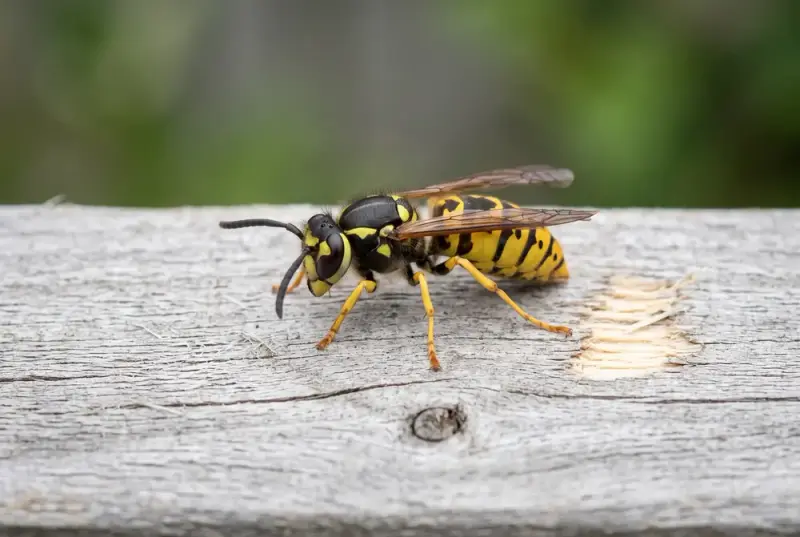
Wasp nest
from £170
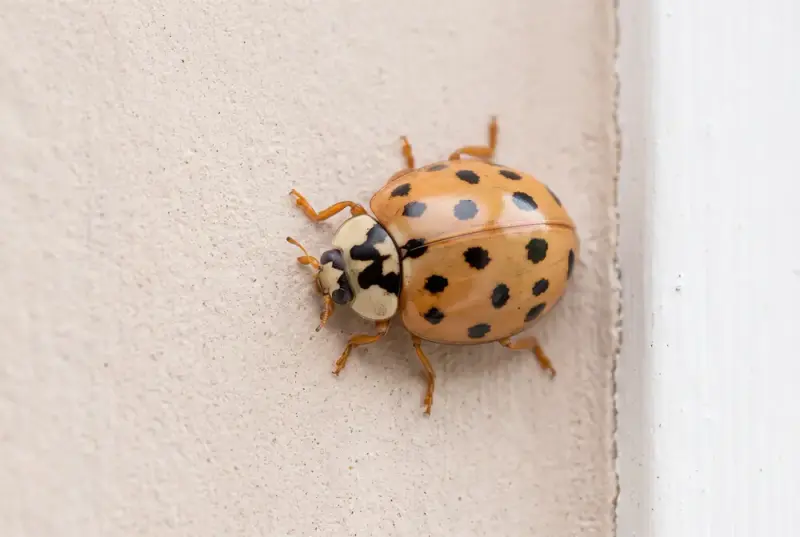
Ladybirds
from £190
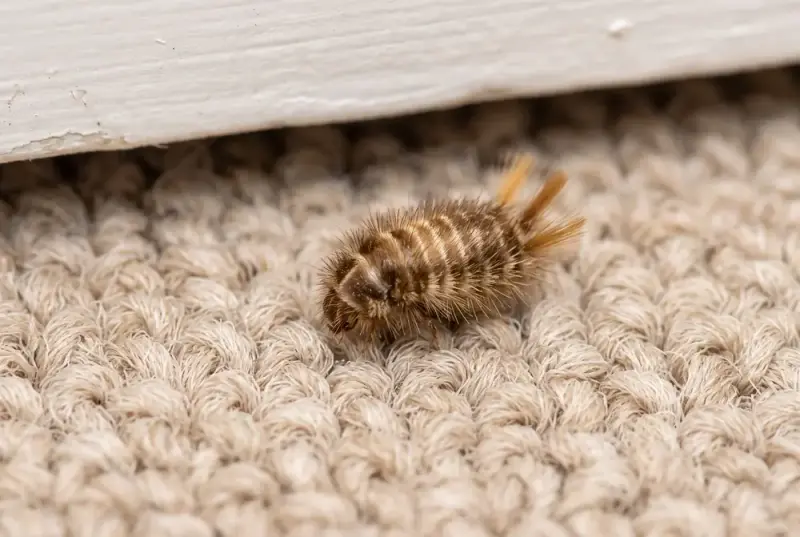
Carpet beetles and biscuit beetles
from £195
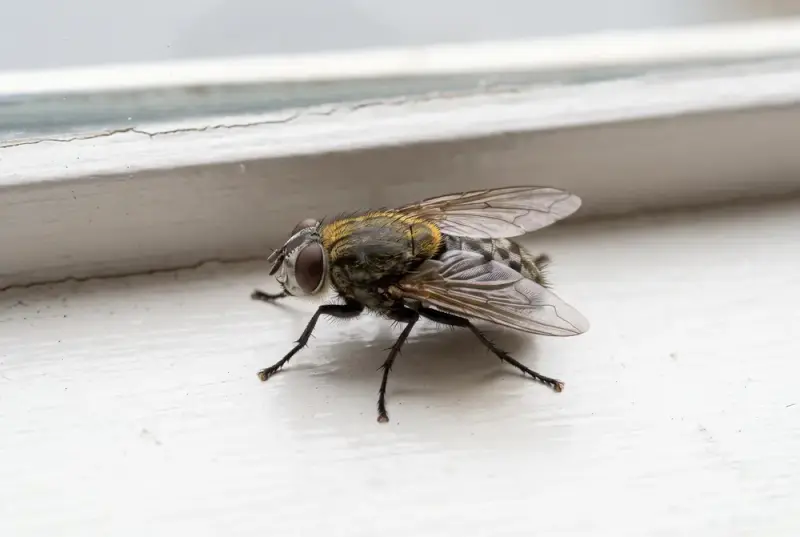
Cluster flies
from £200
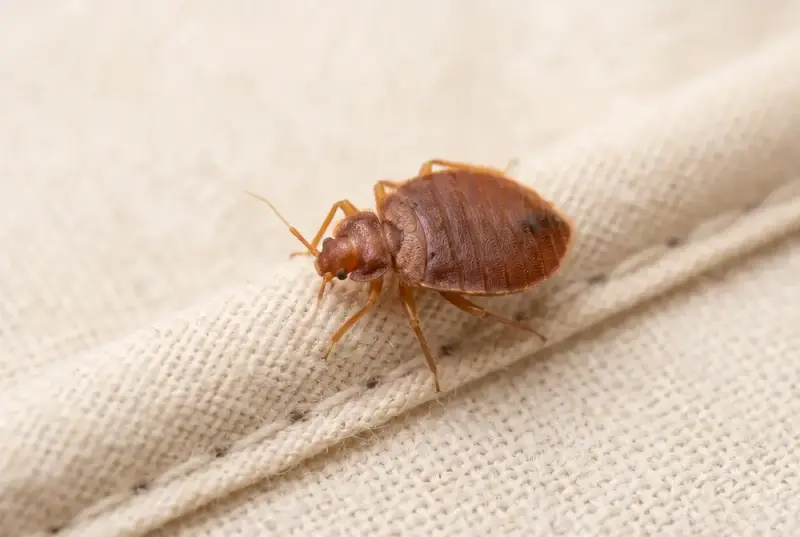
Bed bugs, fleas, mites and moths
from £210
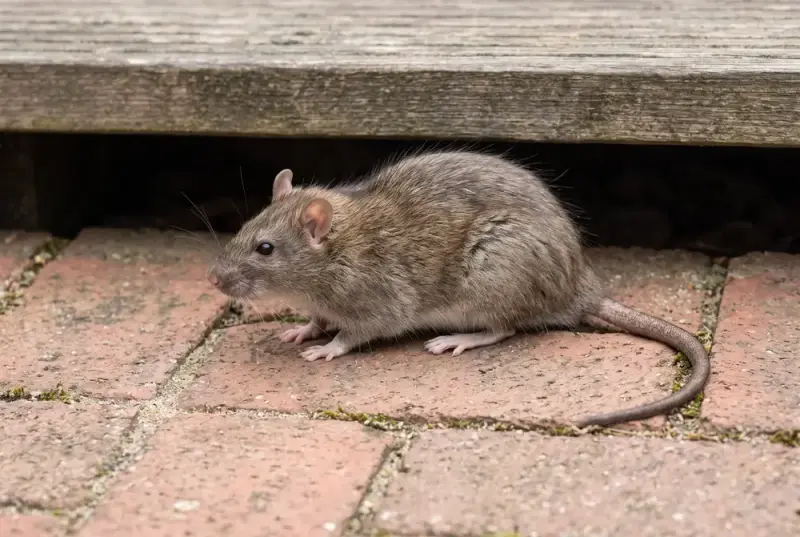
Rats, mice, squirrels and ants
from £240
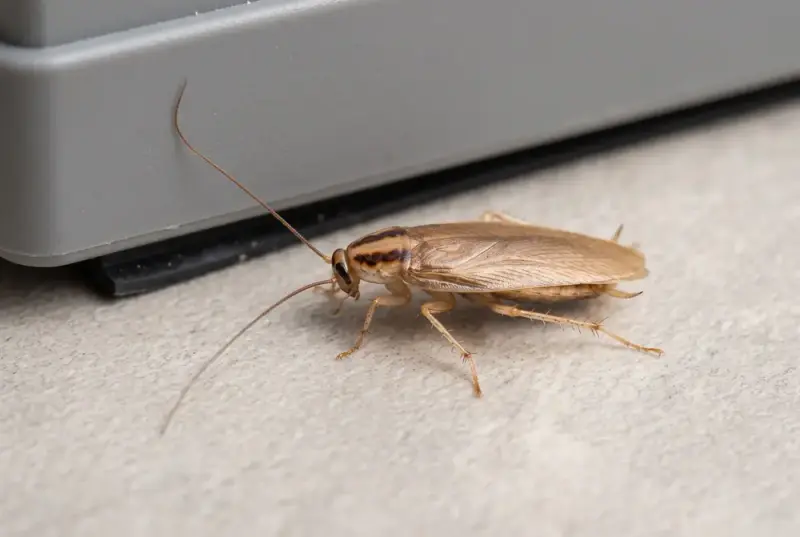
Cockroaches
£550 for five weekly visits
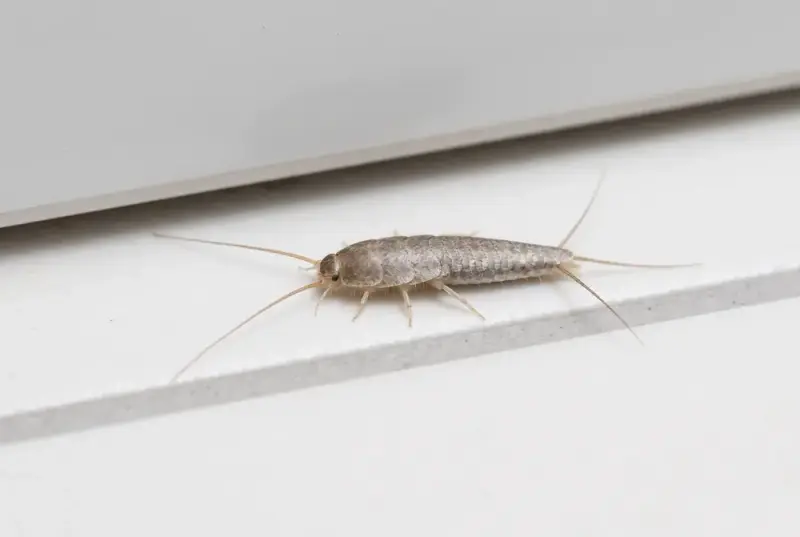
Silverfish
priced after the technician's inspection
Bed bug, flea, mite, moth and beetle prices rise with the number of bedrooms. For bed bugs, fleas, mites and cockroaches we send a preparation sheet first and visit once your home is ready. Evening and weekend visits are available on request, and a weekend visit costs £60 extra. Business sites are priced per site.
Local notes for Stoke-on-Trent
Postcodes and areas
ST1 covers Hanley, Etruria, Shelton, Birches Head, Bucknall and Sneyd Green. ST2 takes in Abbey Hulton, Bentilee, Weston Coyney and Werrington. ST3 runs from Longton, Fenton and Meir to Blurton, Barlaston and Forsbrook, and ST4 covers Stoke, Penkhull, Hartshill and Trent Vale before it crosses into Newcastle-under-Lyme. ST6 takes in Burslem, Tunstall, Smallthorne and Goldenhill and reaches Kidsgrove and Biddulph.
Six towns, canals and old industry
The six towns federated on 1 April 1910, and pottery has shaped them since the 17th century. The Trent and Mersey Canal, completed in 1777, brought in china clay, and the Caldon Canal runs past the Etruria Industrial Museum. Coal mining ended in 1994, and slag heaps still show on the skyline. Older brick buildings, with roof spaces, voids and chimney breasts, give mice and wasps more places to settle than a sealed modern block.
Semis, terraces and tenants
Semis make up 46.1 per cent of Stoke-on-Trent households, terraces 27.6 per cent, detached houses 15.0 per cent and purpose-built flats 9.2 per cent (TS044). Owners hold 56.8 per cent of homes, social landlords 22.3 per cent, with the council itself at 15.3 per cent, and private landlords 20.3 per cent (TS054). A semi with a long back garden, a garage and a shed gives rats sheltered ground close to the house.
Parks, lakes and the city council
Each of the six towns has at least one park. Burslem Park, at nine hectares, is among the largest registered Victorian parks in the UK, and Westport Lake in Longport is the largest body of water in the city. Stoke-on-Trent City Council does not treat foxes, wild birds, moles, bats, bees or spiders. Nearby: ant treatment in Stoke-on-Trent.
Your questions, answered.
Does A1 treat pests in Stoke-on-Trent homes?
Yes. A1 Pest Control looks after homes and businesses in Stoke-on-Trent. Send your full postcode and what you have seen through the form or call 0800 059 0135.
Which Stoke-on-Trent homes give rats and mice the most cover?
Older brick buildings, with roof spaces, voids and chimney breasts, give mice and wasps more places to settle than a sealed modern block. A semi with a long back garden, a garage and a shed gives rats sheltered ground close to the house. Tell us your postcode, the pest you suspect and where you saw it, and we will say what it is likely to be and what treatment involves.
Which postcodes does Stoke-on-Trent use?
The city runs across ST1, ST2, ST3, ST4 and ST6, from Hanley, Shelton and Bentilee to Longton, Fenton, Penkhull, Burslem and Tunstall. Some districts reach into Newcastle-under-Lyme, Stafford or Staffordshire Moorlands. Give your full postcode when you get in touch.
Can A1 treat a pottery, warehouse or food business in Stoke-on-Trent?
Yes. We cover homes and businesses in Stoke-on-Trent. Tell us the type of premises, where staff see the pest and any audit or inspection dates, and we will say whether a visit or a contract fits.
Does living beside a canal or park raise the risk of rats?
Rats look for food, water and cover, so homes beside canals, lakes and parks tend to see more activity. Stoke-on-Trent has the Trent and Mersey and Caldon canals, Westport Lake and a park in each of its six towns. Closed bin lids, bird food held off the ground and covered compost remove what rats come for.