Ant treatment in Stoke-on-Trent
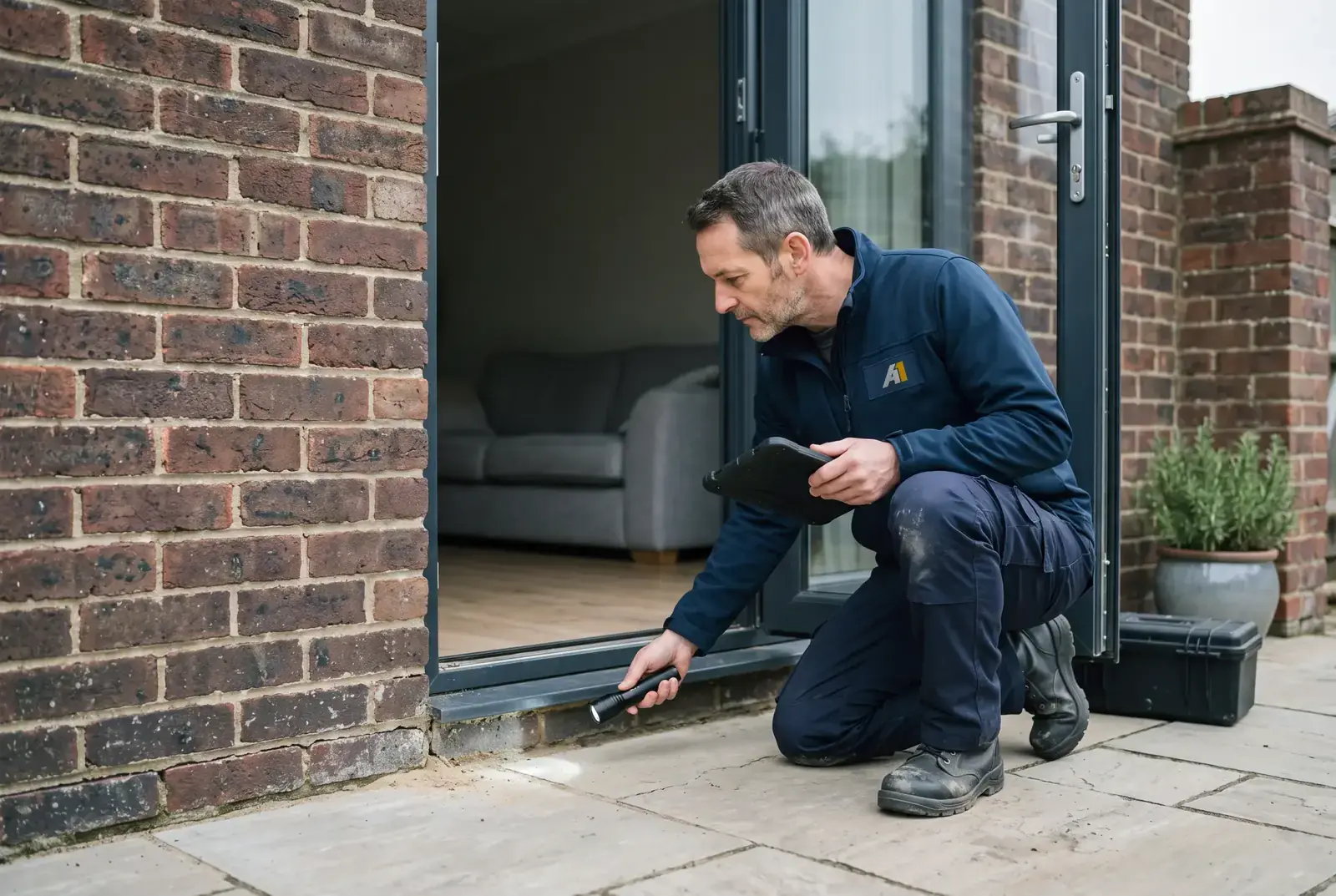
Black garden ant records around Stoke-on-Trent are few and mostly old: the NBN Atlas lists 12 within 5 km of the city, from 1983 to 2015, and Maybank is the place named. The ants nest in soil under lawns, paths and patios and come indoors to forage for sugar, crumbs and pet food. Stoke-on-Trent has 204 caring premises on its food hygiene register, among them hospitals, childcare settings and care homes. A1 Pest Control covers the city for homes, shops and food businesses. Ring 0800 059 0135 with your ST postcode, the room where the ants come in, the time of year you first saw them and whether you have seen winged ants.
About Ants
Ants indoors are most often black garden ants trailing from a nest outside or under the floor to food in the kitchen, from spring to late summer. A1 Pest Control treats ants with a gel bait or residual treatment at the nest and entry points, normally in one visit, and shows you which gaps to seal.
Read the full Ants guideLocal notes for Stoke-on-Trent
Stoke-on-Trent is a city of semis and terraces: 46.1% of households live in a semi-detached house and 27.6% in a terrace, while only 9.2% live in a purpose-built flat (ONS Census 2021, TS044). Gardens back onto gardens, so an ant colony under one lawn can send workers into more than one kitchen.
The city’s postcode districts run from ST1 (Hanley) through ST2, ST3 and ST4 to ST6 (Burslem), and several reach into Newcastle-under-Lyme or Staffordshire Moorlands. Give us the full postcode when you call.
Local risk in Stoke-on-Trent
The local records
Three of the 12 records date from 1984 and three from 2012. They are recorded sightings, not infestation levels.
Restaurants and cafes
The register also lists 354 restaurants and cafes in the city.
Garden ant or pharaoh ant
Black garden ants nest outdoors and forage indoors from spring to late summer. Pharaoh ants are about 2 mm long and pale yellow to light brown, and they live inside large centrally heated buildings. In the BPCA’s words, they are a serious public health pest, and a colony that is disturbed splits and spreads.
- Look for fine soil pushed up between paving slabs or along the patio edge.
- Keep sugar, fruit and pet bowls covered or off the floor overnight.
- If small pale ants appear indoors in winter, do not spray them; describe them when you call.
See our ant treatment page for the work itself and pest control in Stoke-on-Trent for everything else.
Price and visit times
Starting from £240
Not sure what you have found? Send us a photo first. Evening and weekend visits are available on request, and a weekend visit costs £60 extra.
Request a callCustomer reviews in Stoke-on-Trent
Google rating: 5.0 from 6 reviews.
Your questions, answered.
Can Stoke-on-Trent businesses and homes use A1 for ants?
A1 is a private option for businesses. Homes can ask what we can offer.
Which Stoke-on-Trent postcodes do you cover?
The city sits across ST1, ST2, ST3, ST4 and ST6, from Hanley and Shelton to Burslem, Fenton and Longton, and some of those districts cross into Newcastle-under-Lyme, Stafford and Staffordshire Moorlands. Give us your full postcode and we will confirm whether we can visit.
Ants come in along the back wall of my terrace. Are the neighbours involved?
They may be. In a row of terraces or a pair of semis, black garden ants can nest under a shared path, wall or lawn and forage into both kitchens. If your neighbours see trails too, it helps to treat both sides of the boundary at the same time.
I run a shop or food business in Stoke-on-Trent. Can A1 help with ants?
Yes. A1 Pest Control covers Stoke-on-Trent for homes and businesses. Tell us about the premises, where staff see ants and any audit dates, and we will discuss a one-off treatment or scheduled visits with a report after each one. Call 0800 059 0135 or use the business form on this page.
When do flying ants appear in Stoke-on-Trent?
Flying ants are the winged males and young queens of the black garden ant. They swarm for a few days in July or August, then each mated queen looks for a sheltered place to spend the winter before starting a new nest in spring (BPCA). A swarm outdoors passes. Winged ants appearing indoors point to a nest under or against the house.