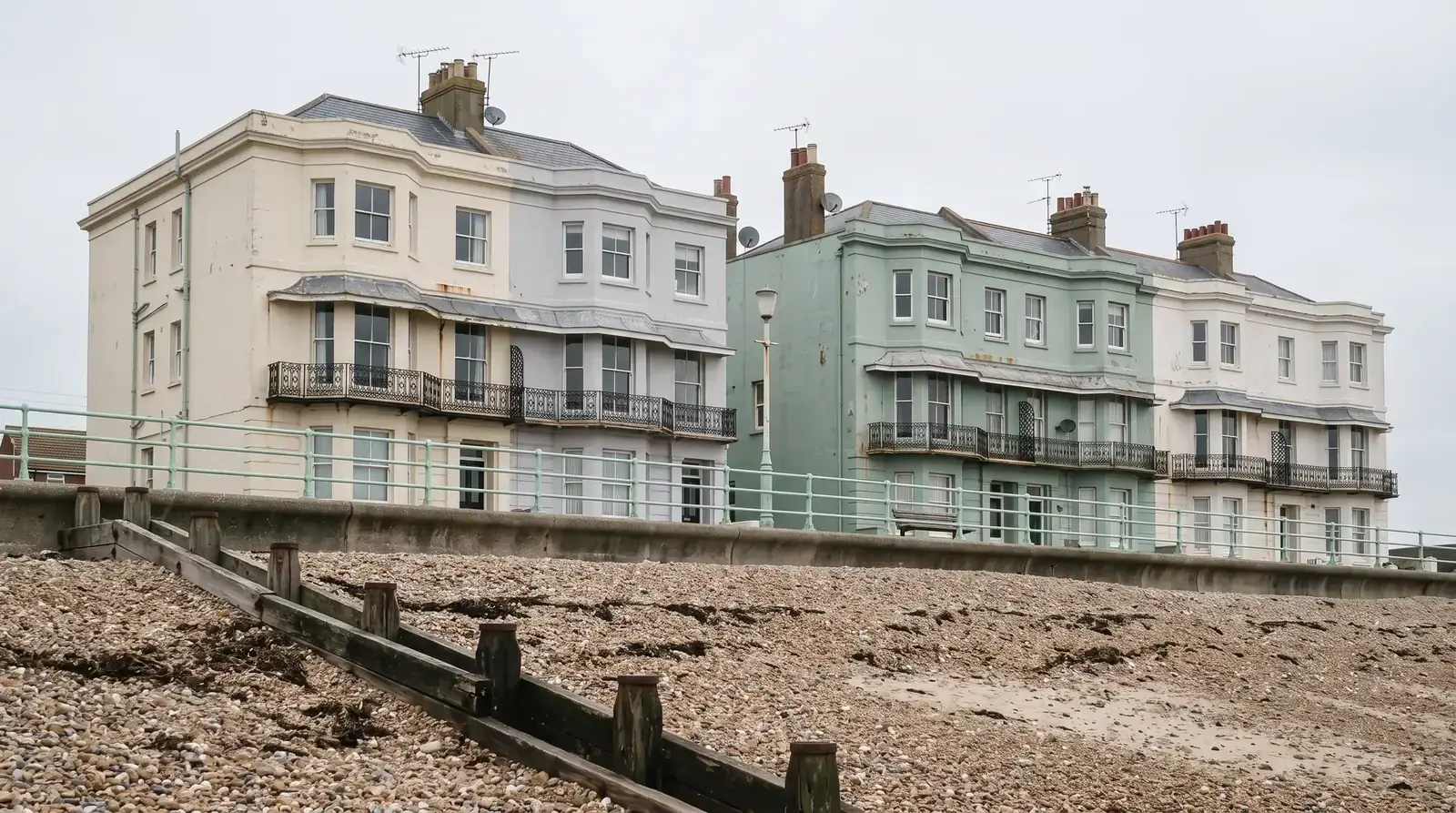
Pest control in Seaford
Pest control for homes and businesses in Seaford is provided by A1 Pest Control. Detached houses are home to 45.5 per cent of Seaford’s 11,090 households across its five wards, while 50.7 per cent own their home outright and 15.4 per cent rent privately (ONS, Census 2021). Seaford Head lies inside the Seven Sisters National Nature Reserve, where Sussex Wildlife Trust lists fulmars, kittiwakes and soprano pipistrelle bats, and GOV.UK says it is an offence to disturb a bat roost, even inside your home. A message giving your BN25 postcode, what you have found and whether the site is a home, a hotel or a shop will bring a reply saying what we can offer.
Which pests do we treat in Seaford?
Starting prices
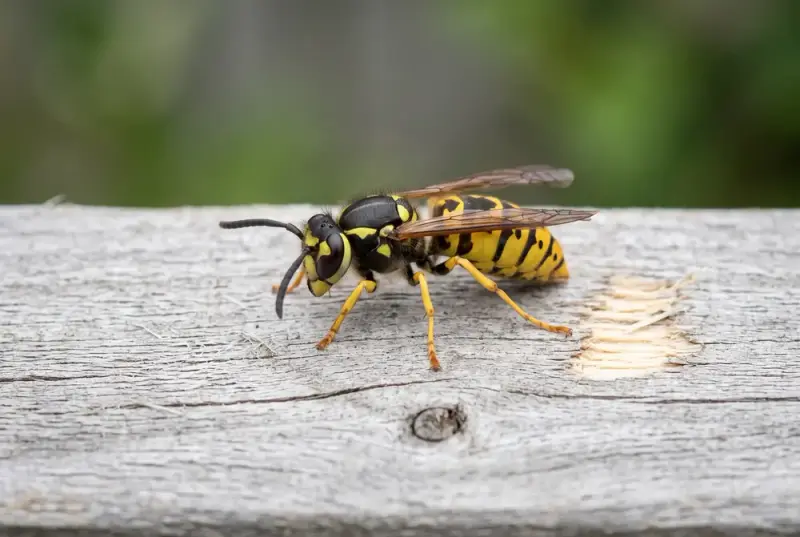
Wasp nest
from £170
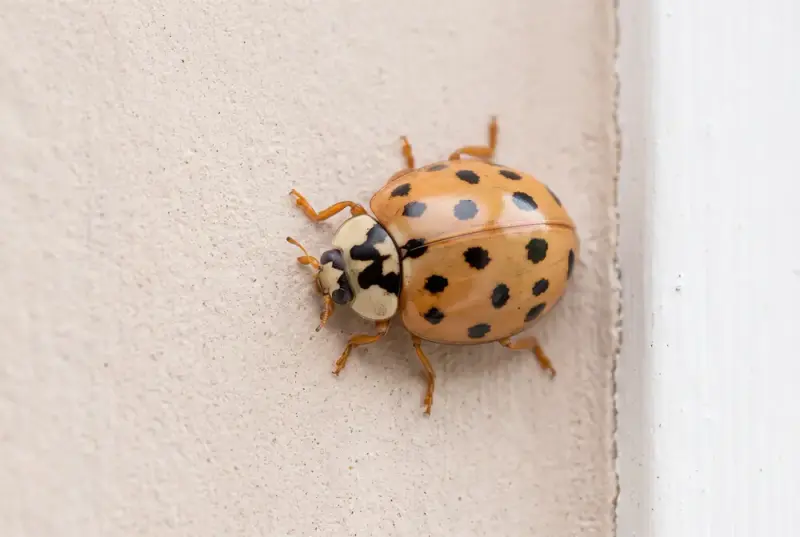
Ladybirds
from £190
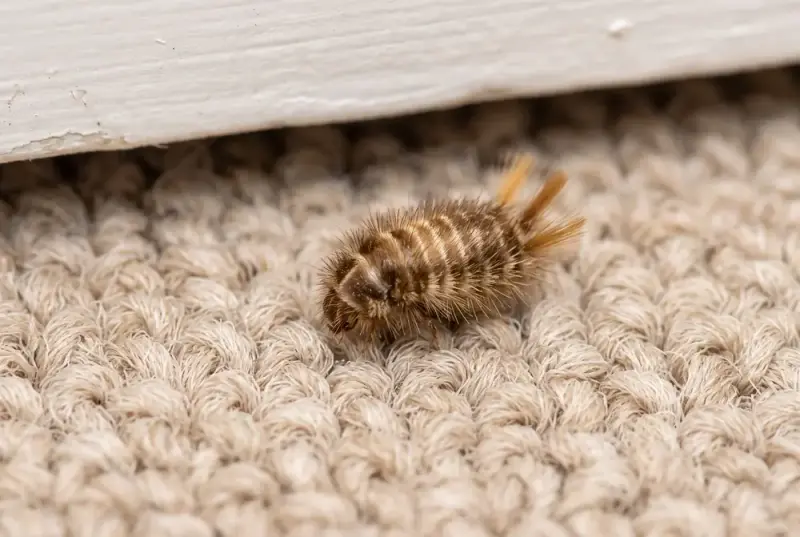
Carpet beetles and biscuit beetles
from £195
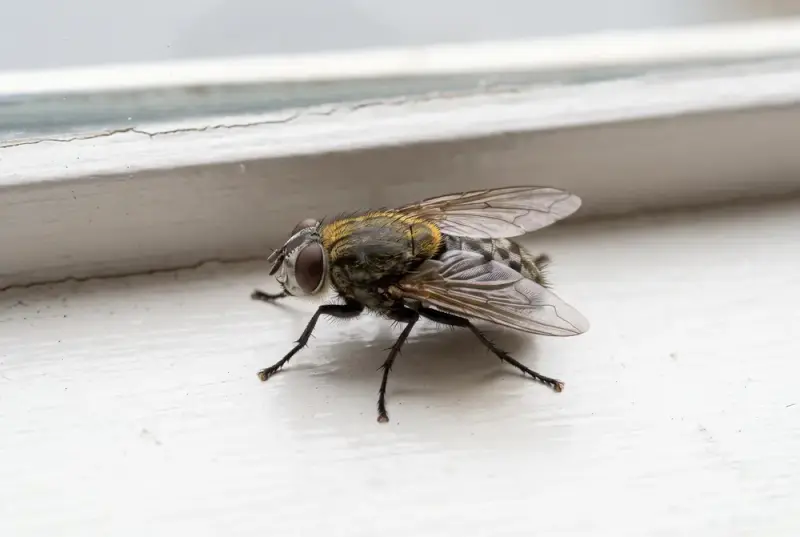
Cluster flies
from £200
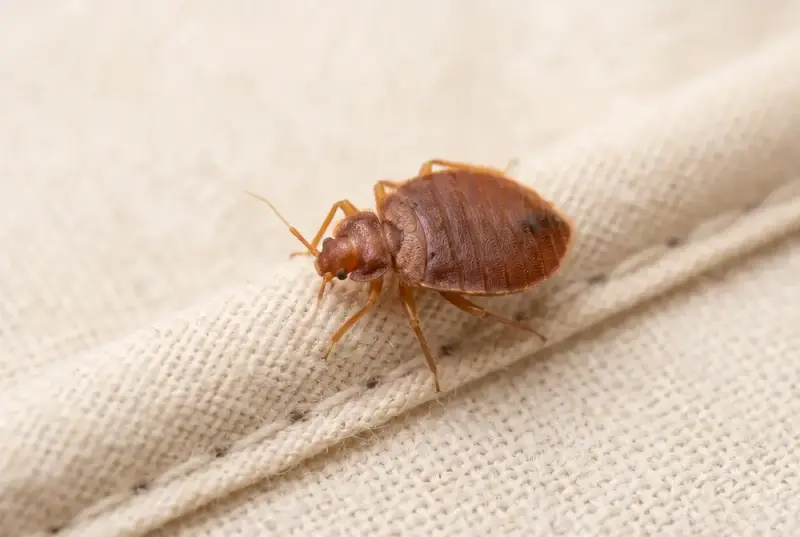
Bed bugs, fleas, mites and moths
from £210
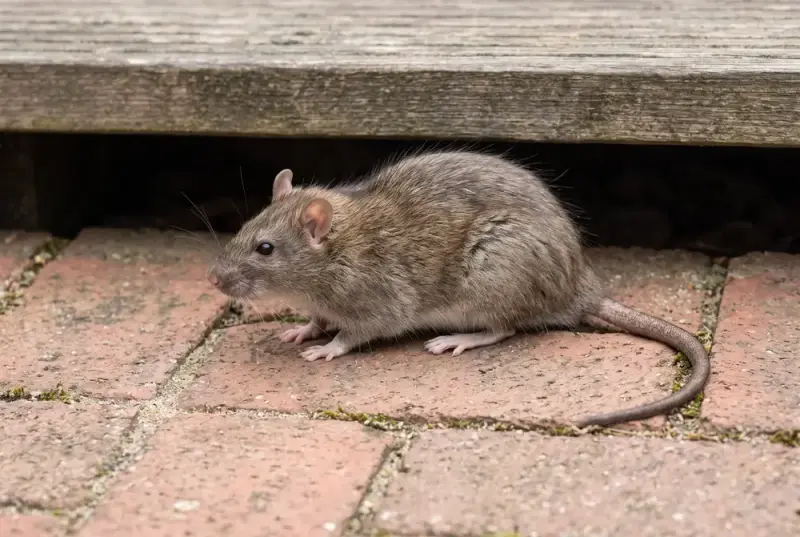
Rats, mice, squirrels and ants
from £240
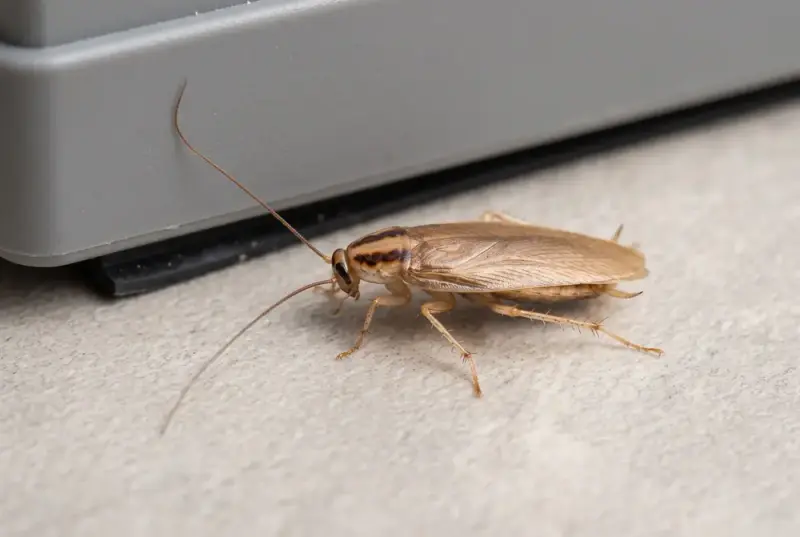
Cockroaches
£550 for five weekly visits
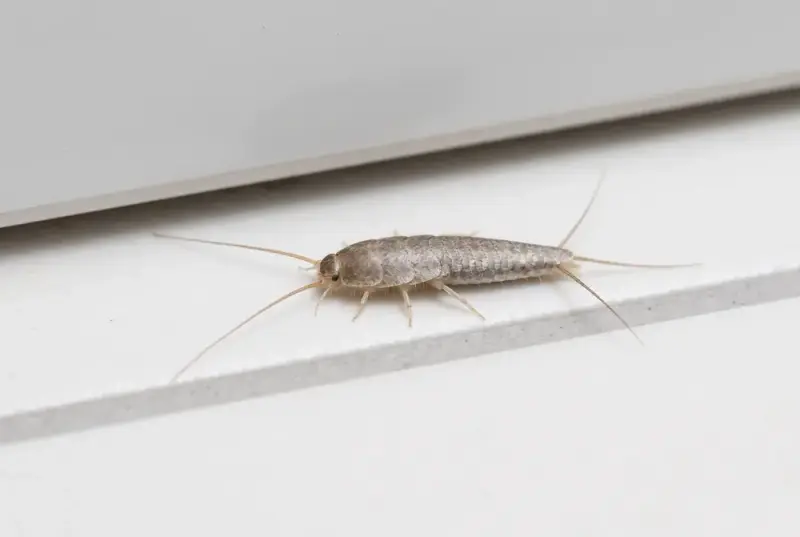
Silverfish
priced after the technician's inspection
Bed bug, flea, mite, moth and beetle prices rise with the number of bedrooms. For bed bugs, fleas, mites and cockroaches we send a preparation sheet first and visit once your home is ready. Evening and weekend visits are available on request, and a weekend visit costs £60 extra. Business sites are priced per site.
Local notes for Seaford
BN25 and the five wards
BN25 takes in five Seaford wards: Central, East, North, South and West. It also lists South Downs and Ouse Valley and Ringmer, and the parishes Seaford, Cuckmere Valley and South Heighton. postcodes.io gives the districts as Lewes and Wealden (postcodes.io).
The railway revived the town in the 19th century. Martello Tower No. 74, the westernmost on the south coast, is now a local history museum.
Bungalows, owners and rented flats
The five Seaford wards split 45.5 per cent detached, 19.8 per cent semi-detached, 16.2 per cent purpose-built flats and 12.5 per cent terraces by household. Owners hold 75.7 per cent, half of all households owning outright, with private renters at 15.4 per cent and social renters at 8.0 per cent (TS044 and TS054).
Cliffs, bats and roof spaces
Sussex Wildlife Trust says Seaford Head sits in the South Downs National Park and in the Seven Sisters National Nature Reserve, which covers 1,500 hectares, and that its species include fulmar, kittiwake and soprano pipistrelle bat (Seaford Head). GOV.UK says it is an offence to disturb or destroy bats or a place where they roost, even in your home (pest control on your property).
Business premises in Seaford
Hotels, guest houses and cafés are covered on our retail and hospitality page. Kitchens are on the food premises page, and the commercial pest control page deals with sites in more than one town. Eastbourne is the closest town with a live page.
Your questions, answered.
Which council area is my BN25 address in?
postcodes.io lists BN25 in Lewes and Wealden districts. Give your full postcode when you get in touch, and say whether the site is a home, a hotel or a shop.
What if the animal in my Seaford roof is a bat?
GOV.UK says it is an offence to disturb or destroy bats, or any place they are living, even if it is inside your home. You can sometimes get a licence to deal with a protected species living in your home. Sussex Wildlife Trust lists the soprano pipistrelle among the wildlife at Seaford Head. Get professional advice before you block a gap.
When should I check a bungalow roof or garage for wasp nests?
The British Pest Control Association says to check each spring, when nests are the size of a golf ball. It names the loft, garage, shed and under eaves, and says wasps also nest in wall cavities, bushes and under trees. A nest can hold thousands of wasps by summer. It adds that you should treat wasps only if they pose a risk to public health.
Can A1 look after a hotel, guest house or café group with sites in Seaford?
A1 Pest Control takes multi-site commercial contracts, so one agreement can list several hotels, guest houses and cafés in different towns. Send the Seaford postcode, what each site is and how many you manage, and we will say what we can offer.
Why do rats turn up in a Seaford garden or bin store in autumn?
The British Pest Control Association says rats look for shelter and scraps in urban places as temperatures drop, then head indoors, and you may see them in daylight. It says they need a gap of only 15 mm to get in, and advises sealing gaps around pipes, covering waste, shutting bin lids, using a bird table or feeder basket, and keeping drain covers in repair.