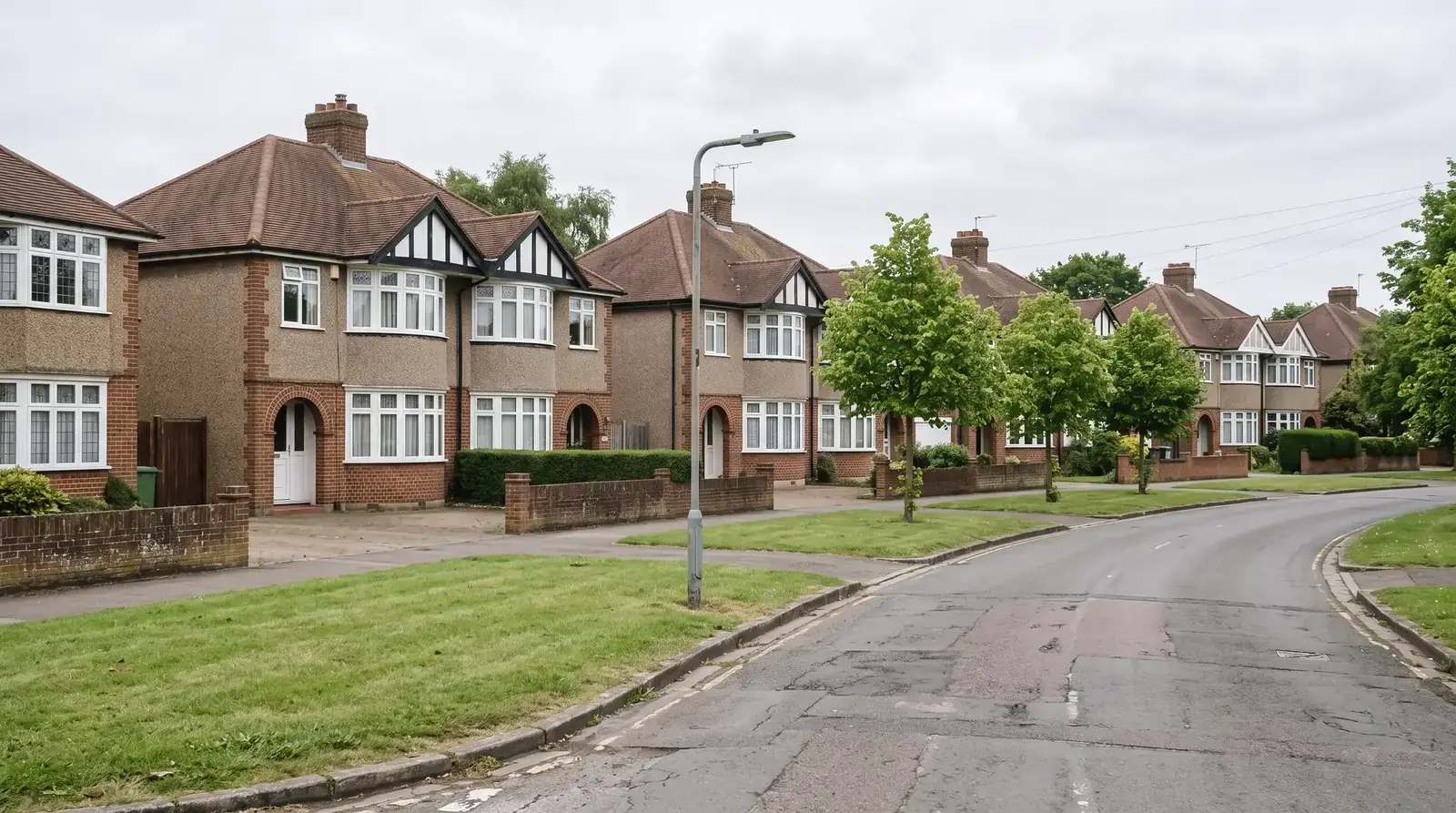
Pest control in Hertford
Hertford’s homes and businesses have pest control available from A1 Pest Control. Hertford is the county town of Hertfordshire, built where the Lea, Beane, Rib and Mimram meet, and its built-up area holds 28,800 people. The four town wards of Hertford hold 12,818 households, with 30.1% in terraced houses, 25.5% in semi-detached ones and 25.3% in flats; 18.5% rent from a private landlord (ONS, Census 2021). East Hertfordshire District Council says an infestation in private premises is for the owner to deal with. Anyone with a pub, shop, office or block of flats in SG13 or SG14 can get in touch with a postcode, the type of premises and a description of what they have found.
Which pests do we treat in Hertford?
Starting prices
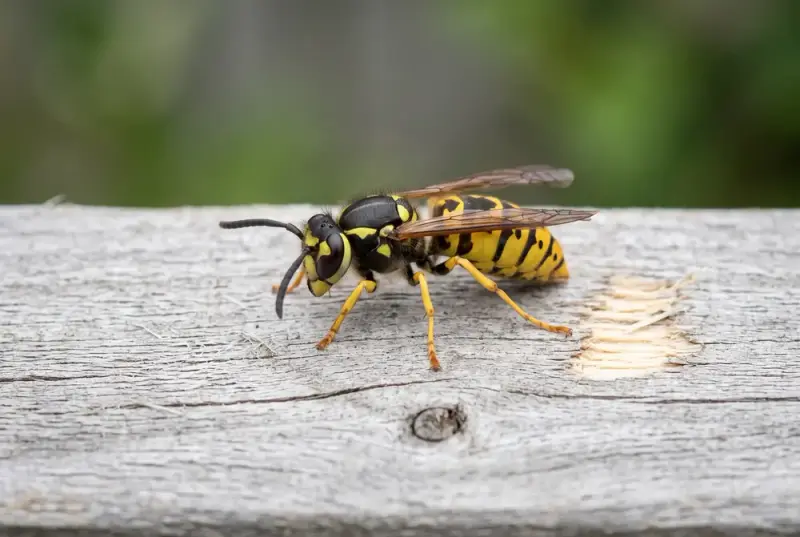
Wasp nest
from £170
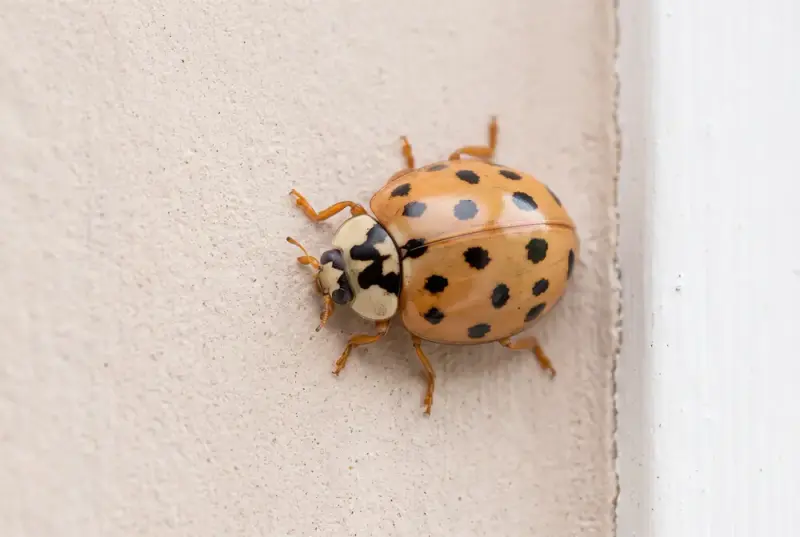
Ladybirds
from £190
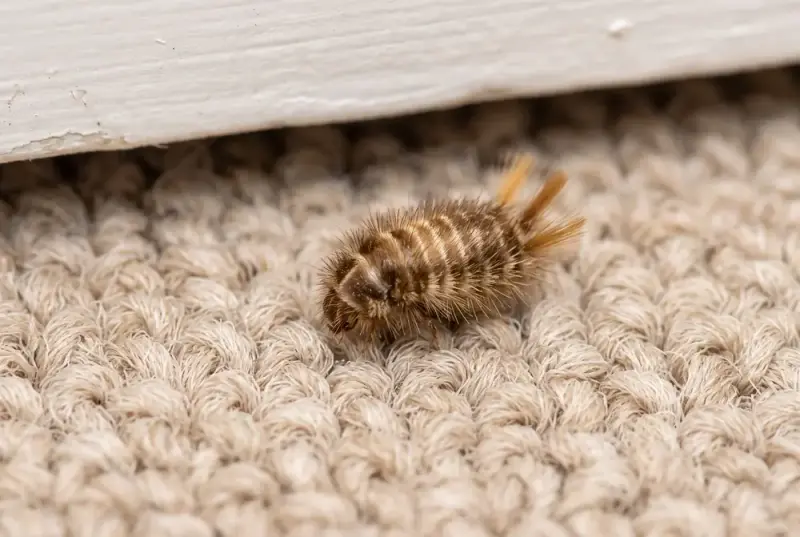
Carpet beetles and biscuit beetles
from £195
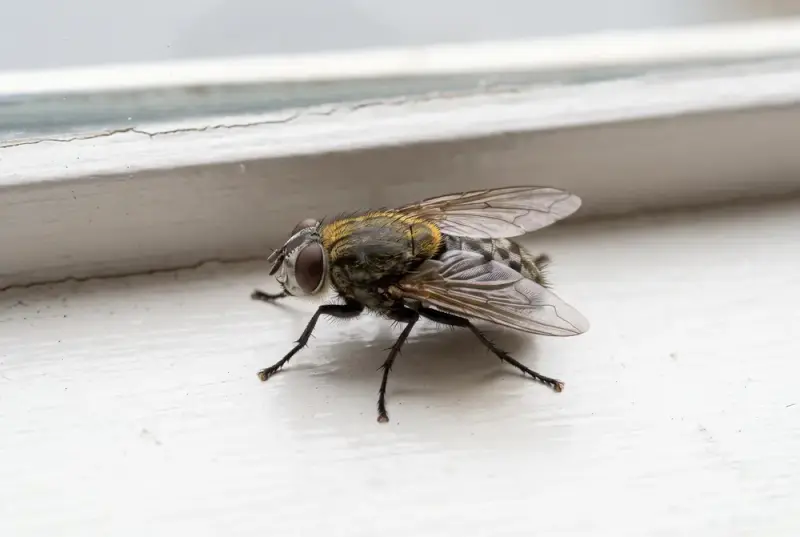
Cluster flies
from £200
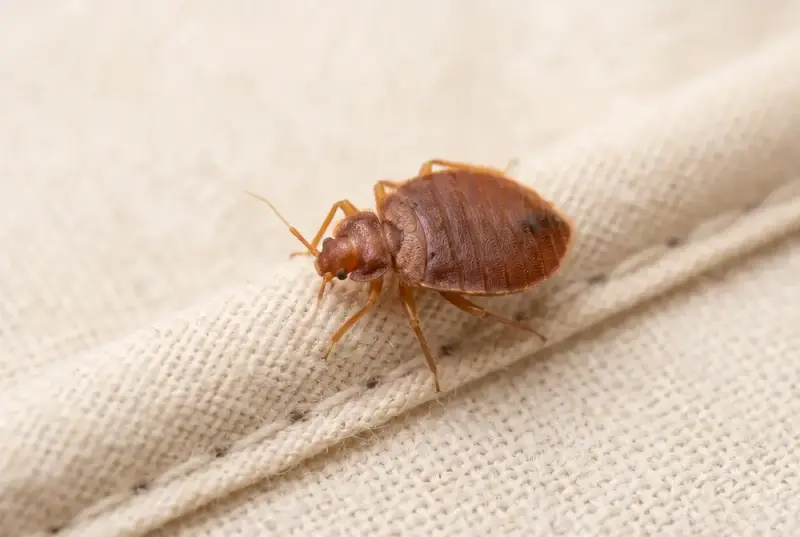
Bed bugs, fleas, mites and moths
from £210
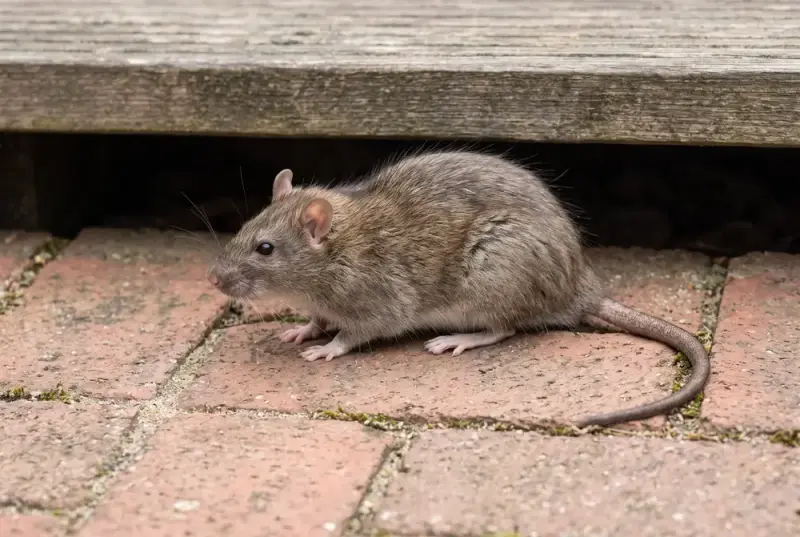
Rats, mice, squirrels and ants
from £240
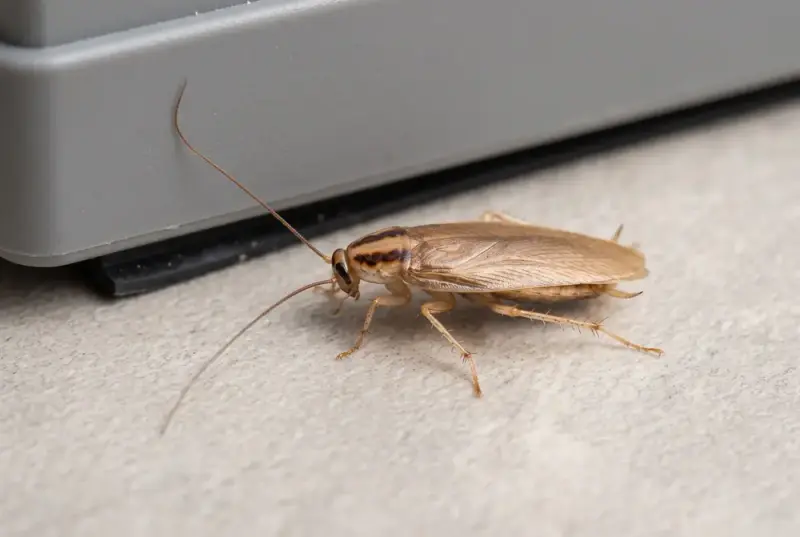
Cockroaches
£550 for five weekly visits
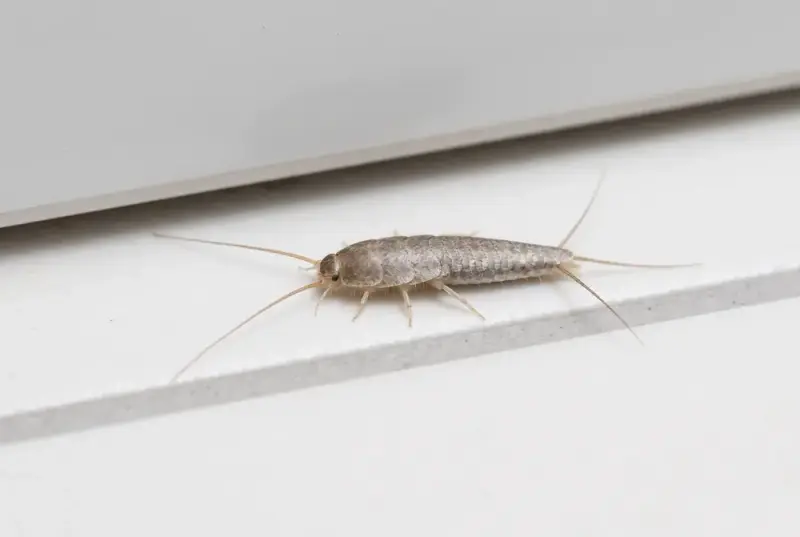
Silverfish
priced after the technician's inspection
Bed bug, flea, mite, moth and beetle prices rise with the number of bedrooms. For bed bugs, fleas, mites and cockroaches we send a preparation sheet first and visit once your home is ready. Evening and weekend visits are available on request, and a weekend visit costs £60 extra. Business sites are priced per site.
Local notes for Hertford
Postcodes and areas
postcodes.io lists SG13 across Broxbourne, East Hertfordshire and Welwyn Hatfield, with the wards of Hertford Castle, Hertford Kingsmead, Hertford Heath and Brickendon, and Hertford Rural, and the parishes of Bayford, Brickendon Liberty and Hertingfordbury. SG14 lies in East Hertfordshire alone and takes in Hertford Bengeo, Castle, Kingsmead and Sele, plus Tewin and Watton-at-Stone. SG12 next door covers Ware (postcodes.io).
Four rivers and a castle gatehouse
A water sculpture in Salisbury Square shows the four rivers, and most of the town centre is a conservation area, with timber-framed shops and homes in Fore Street (Hertford Town Council). Edward IV rebuilt the castle gatehouse in 1463, and the Moat Garden opened in 1951 (Hertford Castle history).
McMullen’s Brewery was founded in the town in 1827 (Historic England).
A block of flats is home to 25.3% of households across the four wards, while 15.4% rent from a social landlord (ONS, Census 2021). Anyone comparing site types can read what each needs on our retail and hospitality, food premises and property management pages.
Your questions, answered.
Who deals with rats or wasps in a private Hertford property?
The council’s page, read on 3 November 2026, says an infestation in private premises is the owner’s to deal with, and a tenant should contact the landlord.
How do I keep rats away from bins and bird food in Hertford?
East Hertfordshire District Council advises covering bins with the lids shut, never leaving food out overnight, using specialist bird feeders and clearing fallen food. It says rodents are quick to take an easy meal. If rats or mice nest in a compost heap, the heap is too dry, so add water until it is like a wrung-out sponge, and put wire mesh around the base and sides.
Is it a wasp or a bee in a Hertford wall?
The council says wasps have distinct yellow and black bands round the abdomen, and the time to treat their nests is from the end of June, when they are big enough. It does not recommend pest control for bees, which are in decline. Mortar bees are active on sunny days, and a registered beekeeper can remove an accessible outdoor swarm.
Who do I call about bats in a Hertford roof?
GOV.UK says the law protects all bat species and their roosts, and that the Trust runs a free helpline for householders on behalf of Natural England. It can arrange a volunteer bat roost visitor to inspect the property. You may need a Natural England licence if disturbing a roost cannot be avoided.
Where do rats get into a Hertford building?
The council says rats and mice can get through the smallest holes, so check for gaps round pipes through outside walls and for damaged airbricks and ventilation grills. Climbing plants at the eaves give rats a route, and sheds with raised floors and timber decking give them shelter. Look for burrows, droppings and damaged pipes near manholes and inspection chambers.