Pest control in Harpenden
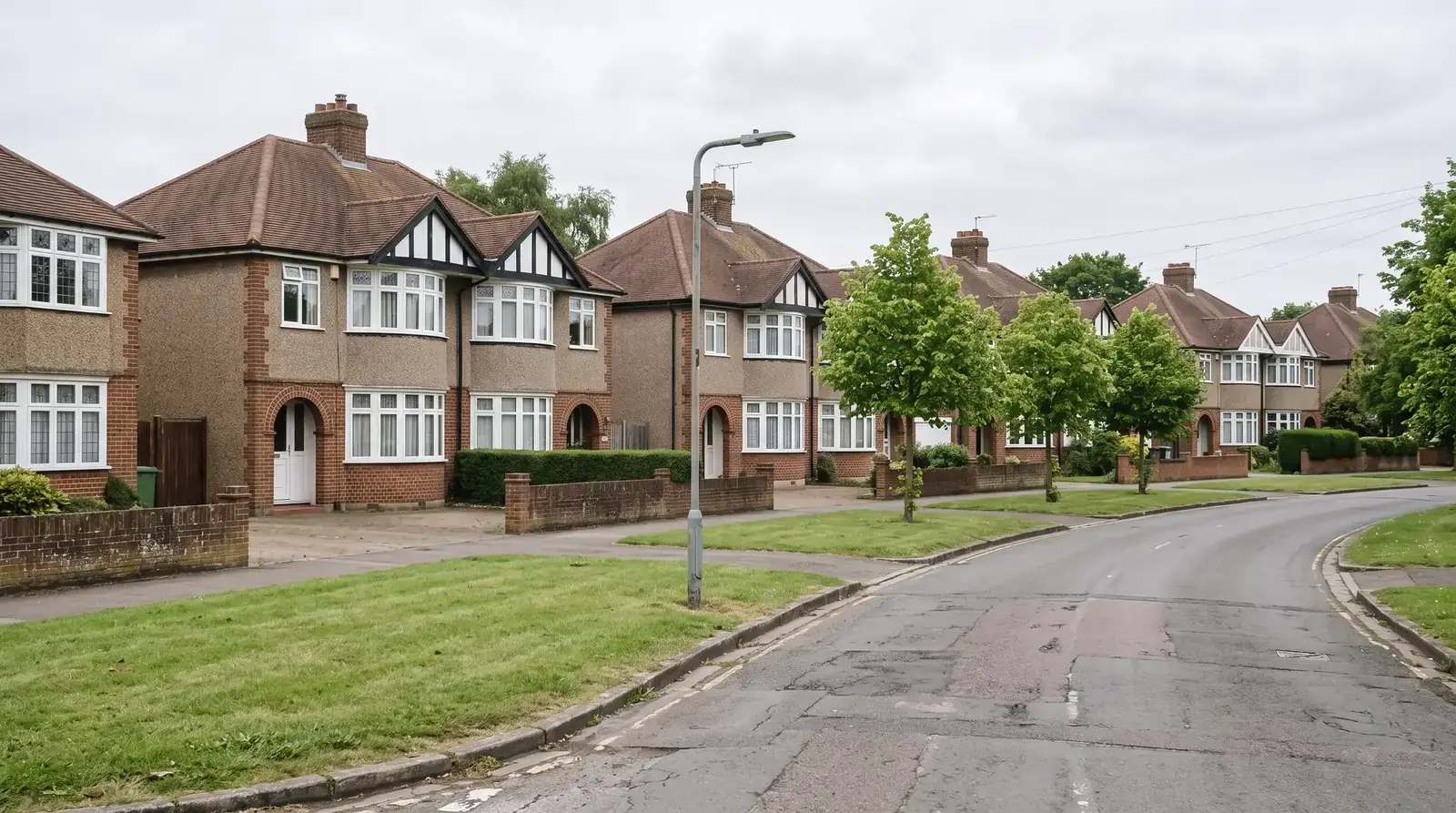
A1 Pest Control is the pest control company serving Harpenden’s homes and businesses. Harpenden is a commuter town on the Thameslink line, with 30,674 people in its built-up area, and Harpenden Town Council manages the 233-acre common that runs south from its centre. Rothamsted Research, founded in 1843 and based in the town, hosts a national insect survey. Detached houses are home to 39.7% of the 12,050 households in Harpenden’s four wards, semi-detached houses to 27.8% and flats to 15.7%, and 78.2% own their home (ONS, Census 2021). Messages about a shop, café, pub or office in AL5 should give the premises type, your postcode and a note of what you have found.
Which pests do we treat in Harpenden?
Starting prices
Wasp nest
from £170
Ladybirds
from £190
Carpet beetles and biscuit beetles
from £195
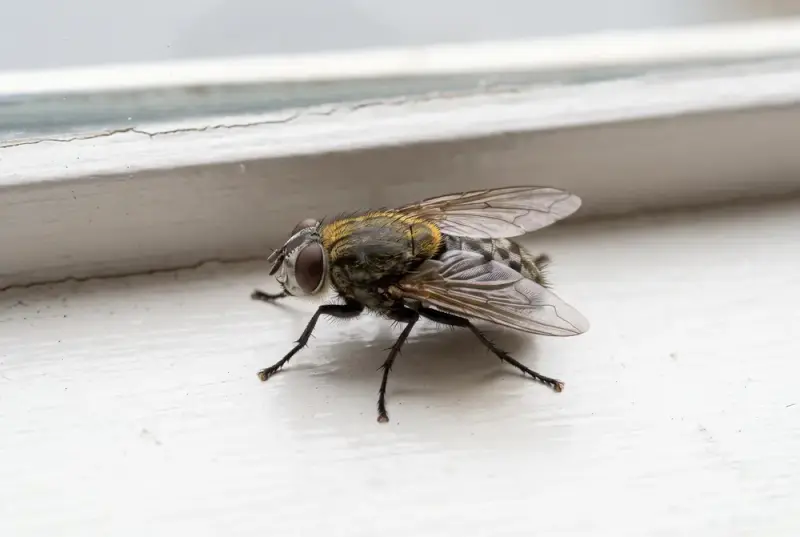
Cluster flies
from £200
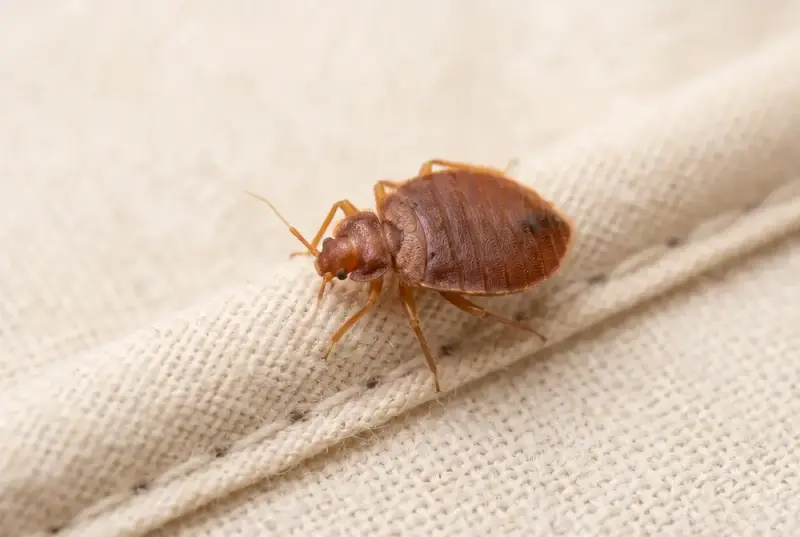
Bed bugs, fleas, mites and moths
from £210
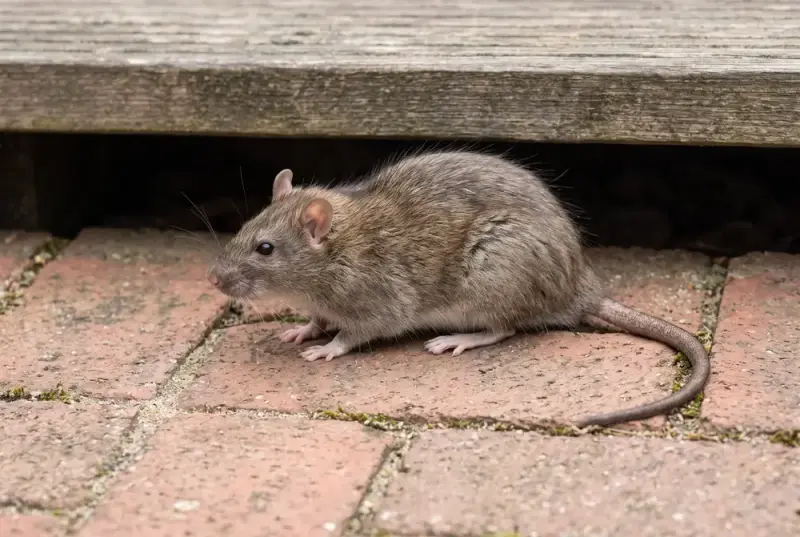
Rats, mice, squirrels and ants
from £240
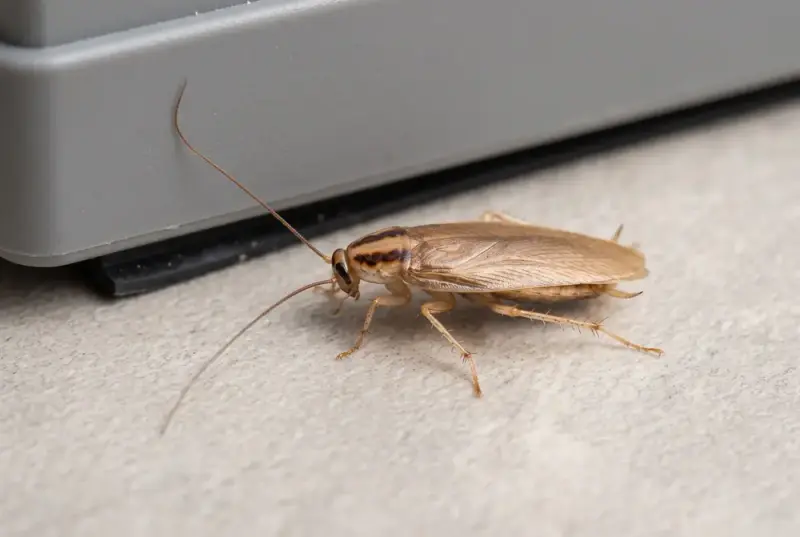
Cockroaches
£550 for five weekly visits
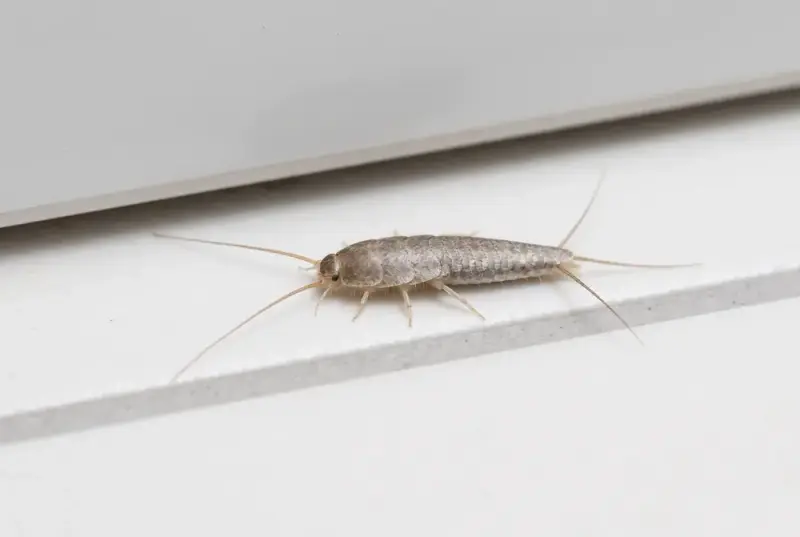
Silverfish
priced after the technician's inspection
Bed bug, flea, mite, moth and beetle prices rise with the number of bedrooms. For bed bugs, fleas, mites and cockroaches we send a preparation sheet first and visit once your home is ready. Evening and weekend visits are available on request, and a weekend visit costs £60 extra. Business sites are priced per site.
Local notes for Harpenden
Postcodes and areas
postcodes.io lists AL5 across St Albans and Central Bedfordshire, with the wards of Harpenden East, Harpenden North and Rural, Harpenden South and Harpenden West, and the parishes of Harpenden Town, Harpenden Rural, Hyde and Wheathampstead. AL3 also takes in Harpenden and spreads across Central Bedfordshire, Dacorum and St Albans, reaching Redbourn and Markyate (postcodes.io).
The Common, Rothamsted and the Nickey Line
Harpenden Common stretches almost two miles over 233 acres, has held a Green Flag Award since 2007 and is a County Wildlife Site with more than 400 species (Harpenden Town Council). Rothamsted, the agricultural research station founded in 1843, faces the common. The Nickey Line, a railway that closed in 1979 and opened as a cycleway and footway in 1985, starts in the town (St Albans City and District Council).
Flats and rented homes
In those four wards, private landlords house 13.7% of households and social landlords 7.7%, and 15.7% live in a block of flats (ONS, Census 2021). Blocks and managed sites are the subject of the property management page.
The pages on food premises, retail and hospitality and offices and workplaces explain the needs of each type of site.
Your questions, answered.
Why is a wasp nest in Harpenden not treated in May?
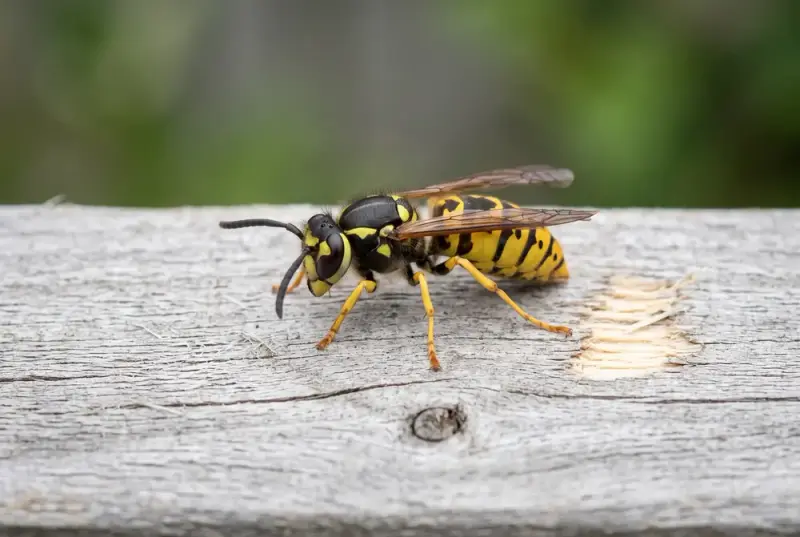
St Albans City and District Council says the usual rule is to treat wasp nests from the end of June, because nests seen earlier are often too small to treat (page read on 3 November 2026). Wasps have distinct yellow and black bands round the abdomen. The council asks you to check that you do not have bees before you call a contractor.
What does the Rothamsted Insect Survey count?
Rothamsted Research in Harpenden hosts the national Insect Survey, which has run two trap networks since 1964. Its 16 suction traps, 12 in England and 4 in Scotland, are each 12.2 metres tall and count flying aphids daily from April to November and weekly at other times. The survey has recorded just over 400 of the 600 aphid species on the British list. A second network of light traps catches moths.
How do I stop pigeons using a Harpenden shopfront?
The British Pest Control Association says cutting pigeon numbers is less desirable and less effective than removing food and blocking the places birds perch or roost. Proofing, as it calls this, uses barriers, spikes, nets and wire. It warns that droppings are acidic, can corrode metal and stonework, and that nesting material can block gutters and flues.
Do clothes moths matter in a Harpenden clothes or charity shop?
The British Pest Control Association says the larvae of the common clothes moth feed on wool, silk, cotton and other natural fibres, and that textile moths are among the most common pests in museums and heritage properties. Moths do not spread disease or bite. It adds that a publicised moth problem can damage a business’s reputation.
What attracts cockroaches to a Harpenden restaurant kitchen?
The British Pest Control Association says cockroaches move from sewers and drains into buildings to forage for food and water, and that German cockroaches favour heat and humidity, so look behind ovens and fridges. Both common species also gather around heating ducts and boiler rooms. A food business that fails to control pests can be served notices and prosecuted under food hygiene law, with fines or, in serious cases, imprisonment.