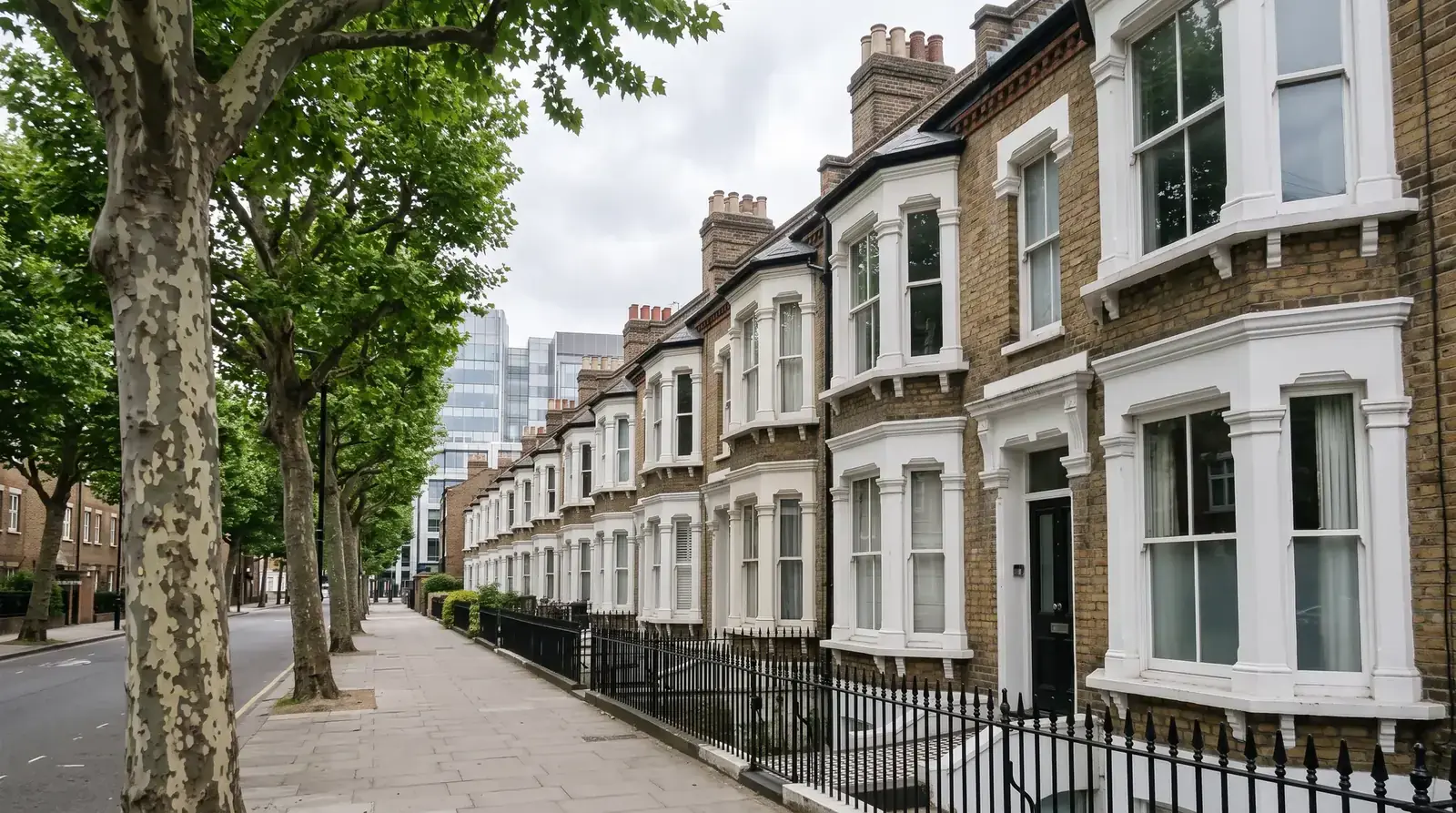
Pest control in Finchley
Homes and businesses in Finchley can use A1 Pest Control for pest control. Finchley has three town centres, Church End, East Finchley and North Finchley, and the four wards around them hold 27,735 households. Private landlords house 36.3 per cent of them, and by type of home 39.0 per cent are purpose-built flats, 21.4 per cent semi-detached houses and 17.1 per cent terraces (ONS, Census 2021). Whoever runs a shop, café, office or block in N2, N3 or N12 should include a postcode, the type of premises and a note of what they have found when getting in touch.
Which pests do we treat in Finchley?
Starting prices
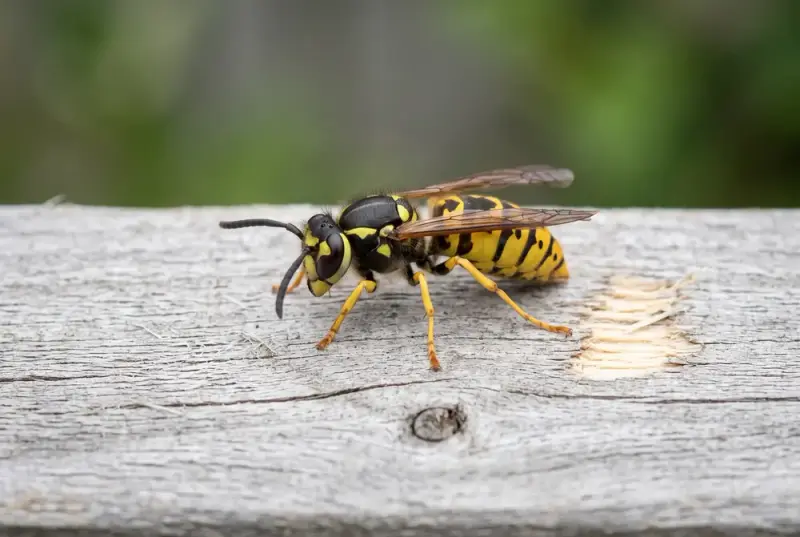
Wasp nest
from £170
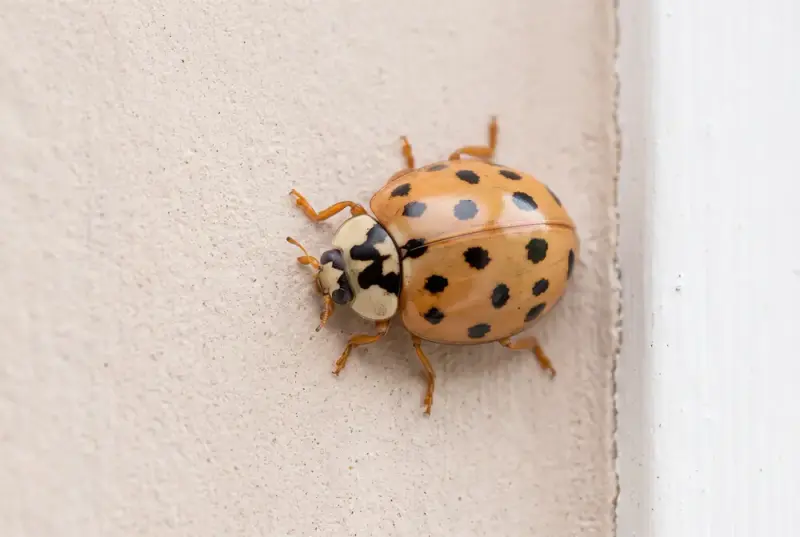
Ladybirds
from £190
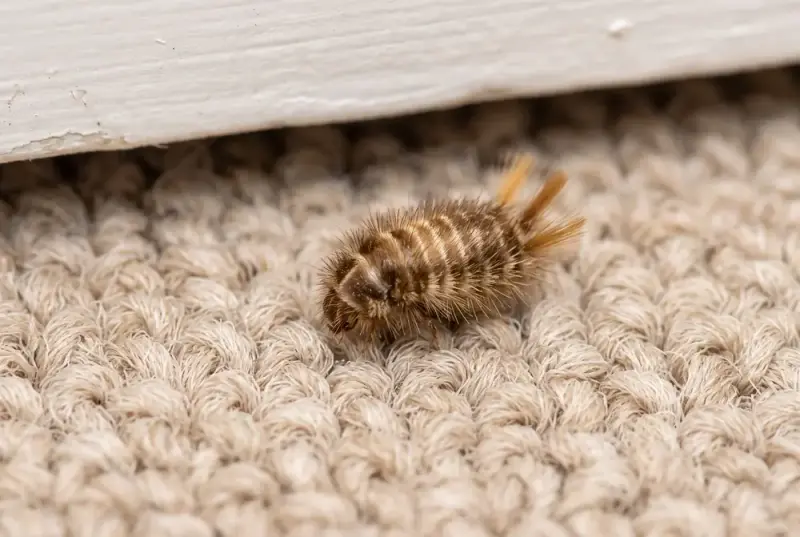
Carpet beetles and biscuit beetles
from £195
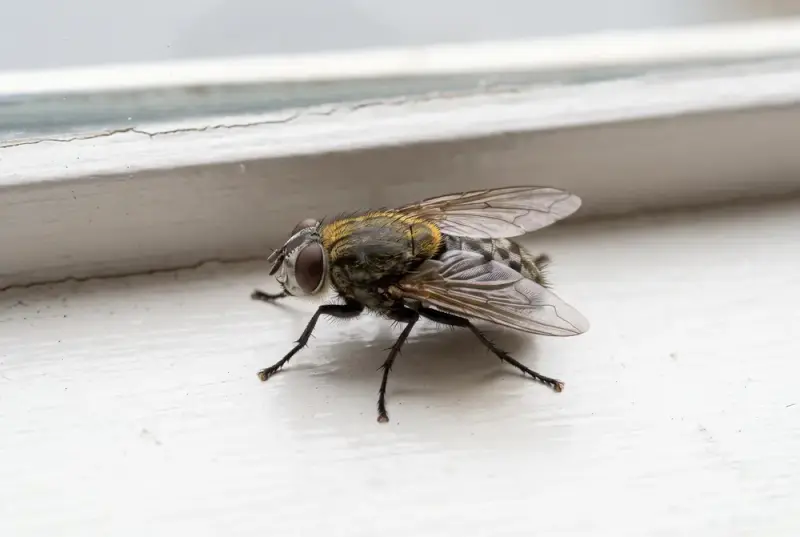
Cluster flies
from £200
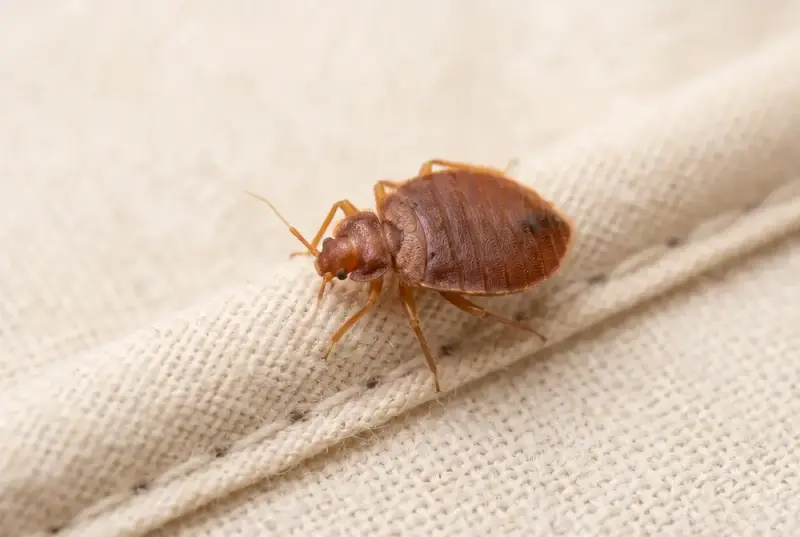
Bed bugs, fleas, mites and moths
from £210
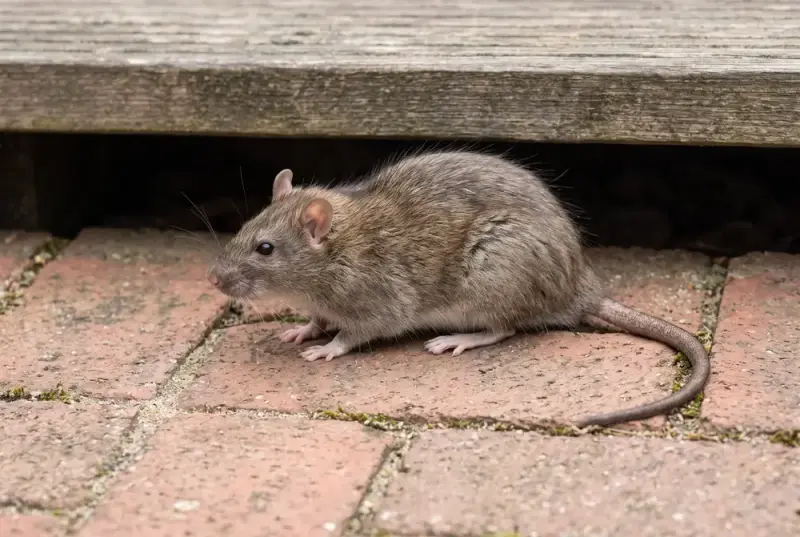
Rats, mice, squirrels and ants
from £240
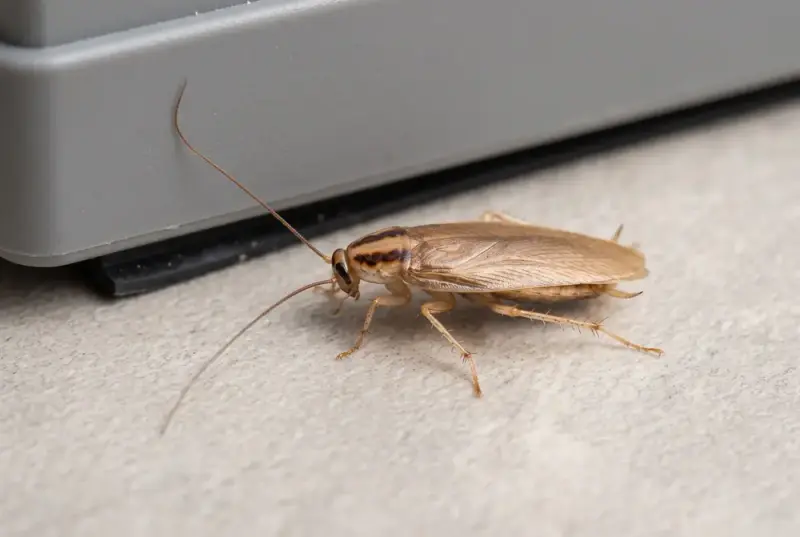
Cockroaches
£550 for five weekly visits
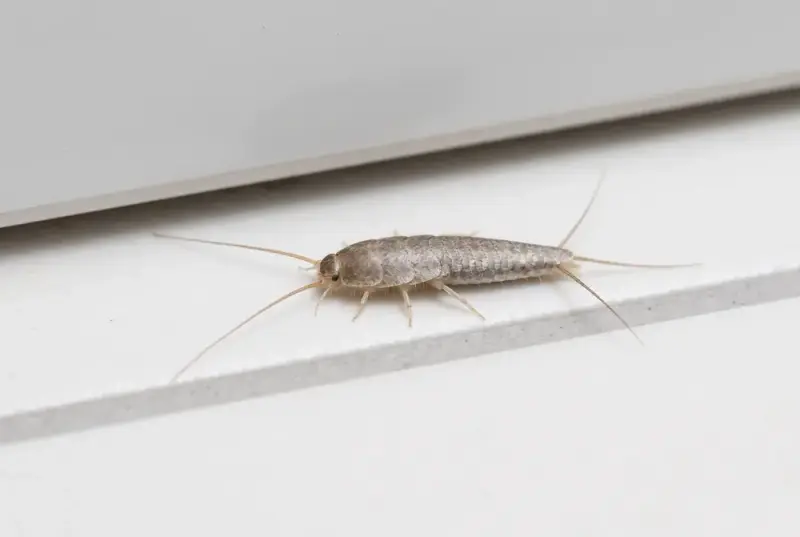
Silverfish
priced after the technician's inspection
Bed bug, flea, mite, moth and beetle prices rise with the number of bedrooms. For bed bugs, fleas, mites and cockroaches we send a preparation sheet first and visit once your home is ready. Evening and weekend visits are available on request, and a weekend visit costs £60 extra. Business sites are priced per site.
Local notes for Finchley
Postcodes and boroughs
N3 lies in Barnet alone and takes in Finchley Church End, West Finchley and parts of Mill Hill. N12 takes in Woodhouse, Friern Barnet and Whetstone. N2 covers East Finchley, Fortis Green and the Garden Suburb, and it also reaches Haringey (postcodes.io).
Flats, terraces and landlords
The Census 2021 figures here add up four wards: East Finchley, Finchley Church End, West Finchley and Woodhouse. A converted or shared house is home to 14.5 per cent of households and a detached house to 5.4 per cent, in addition to the shares above. Of the homes, 52.1 per cent are owner-occupied, 36.3 per cent are let by private landlords and 10.8 per cent by social landlords (TS044 and TS054).
By the 15th and 16th centuries woodland on the east of the parish had become Finchley Common, which the medieval Great North Road crossed. Five Northern line stations on the High Barnet branch serve the district.
Avenue House, a villa of 1859 on East End Road, stands in a garden of about 5 hectares that the ink maker Henry Stephens developed with the landscape gardener Robert Marnock. It became a public park in 1928 (Parks and Gardens UK, quoting the Historic England register).
Shops, cafés and flats
Food premises, retail and hospitality and property management each have a page describing what that type of site needs.
Your questions, answered.
Which Finchley postcodes reach into other boroughs?
According to postcodes.io, N3, N12, N20 and NW11 lie in Barnet alone. N2 also reaches Haringey, and N11 reaches Enfield and Haringey. A building belongs to the council on its side of the boundary, so give the full postcode when you get in touch and say where you have seen the pests.
Who deals with pests in a rented flat or shared house in Finchley?
Citizens Advice says a landlord is likely to be responsible if the tenancy agreement says so, or if the infestation came from a repair they have not made, such as holes in the walls. A tenant who leaves rubbish out can be responsible. Report the problem straight away. About 14.5 per cent of households in the four wards live in a converted or shared house (ONS, Census 2021).
Why do rats turn up in gardens that back onto a brook?
The British Pest Control Association says brown rats look for food, water and shelter. In gardens they burrow into grassy banks or under sheds, and they also live in sewers. It advises keeping drain inspection covers in good repair, covering household waste, closing bin lids and protecting a compost heap with wire mesh.
Why do mice get into Finchley houses in autumn?
The British Pest Control Association says field mice living outdoors look for warmer places to nest when the weather turns cold, and some move indoors. Mice squeeze through cracks as small as 5mm and climb vines or trellis against walls. An infestation next door can spread fast into your home. Terraces and semi-detached houses make up 38.5 per cent of households in the four wards.
What must a Finchley café or takeaway do about pests?
The Food Standards Agency says the three main groups of pests in food businesses are rodents, insects and birds. You must remove food waste and other rubbish from food rooms without delay, because a build-up attracts pests. Doors and windows that open outside need removable insect-proof screens. Register each premises with the local authority where it stands, at least 28 days before trading.