Pest control in Harrow
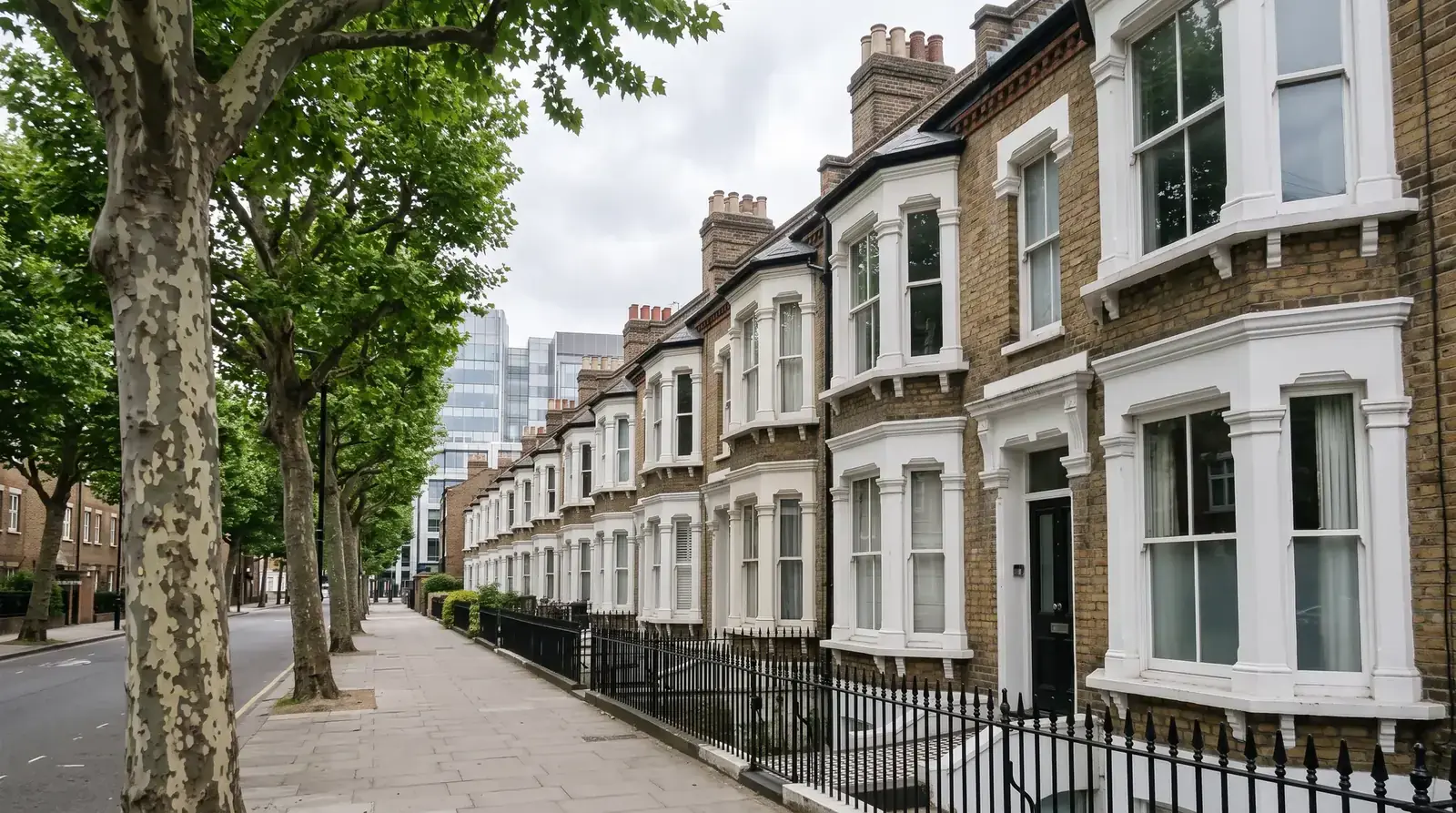
Pest control for Harrow homes and businesses is provided by A1 Pest Control. Harrow’s housing is 37 per cent semi-detached houses, with flats a further 26 per cent (ONS, Census 2021). Lofts, eaves and garden sheds give wasp queens and mice somewhere to settle, and a shared wall gives pests a route to the next house. Harrow Council does not provide a pest control service, it says, which leaves homeowners, landlords and businesses to arrange their own. Schools, offices, shops and warehouses can take a scheduled contract that covers every site you run. Tell us the type of premises, what you have found and which of HA1, HA2, HA3, HA5 or HA7 the postcode falls in, and you will hear what we can offer.
Which pests do we treat in Harrow?
Starting prices
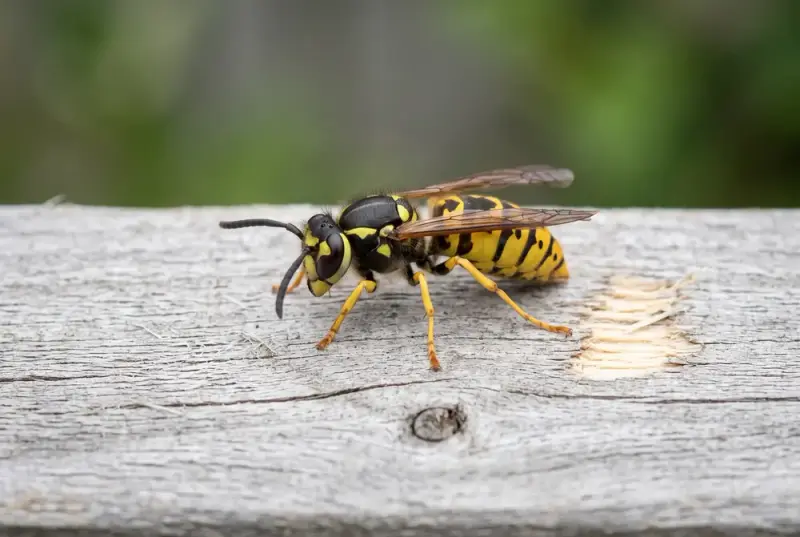
Wasp nest
from £170
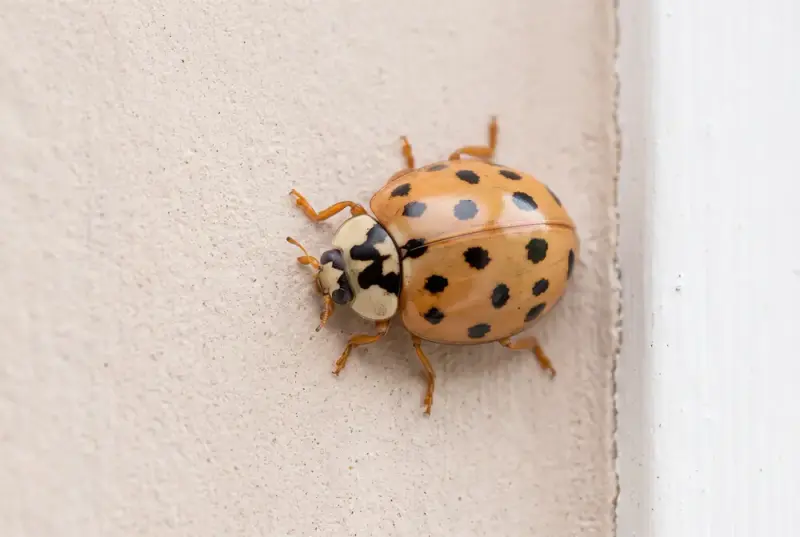
Ladybirds
from £190
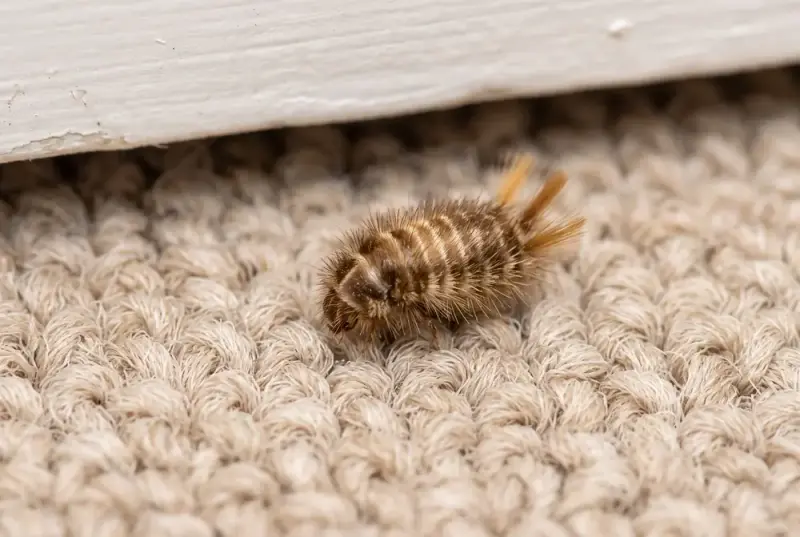
Carpet beetles and biscuit beetles
from £195
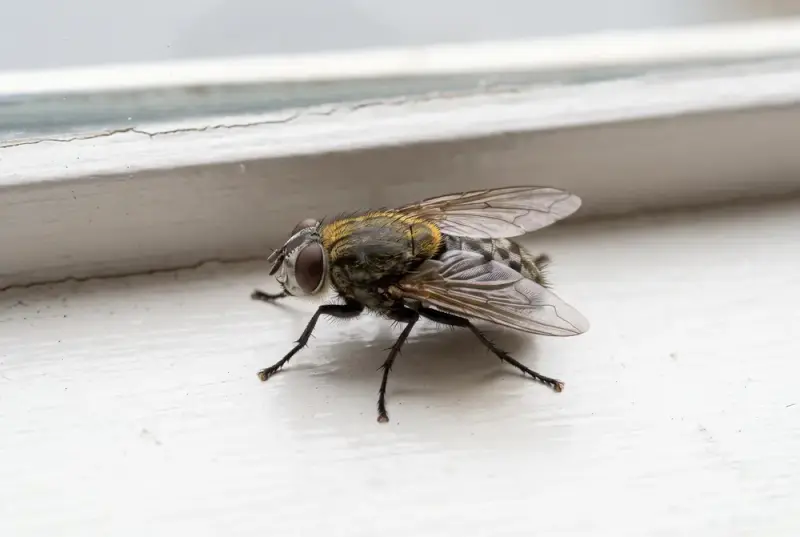
Cluster flies
from £200
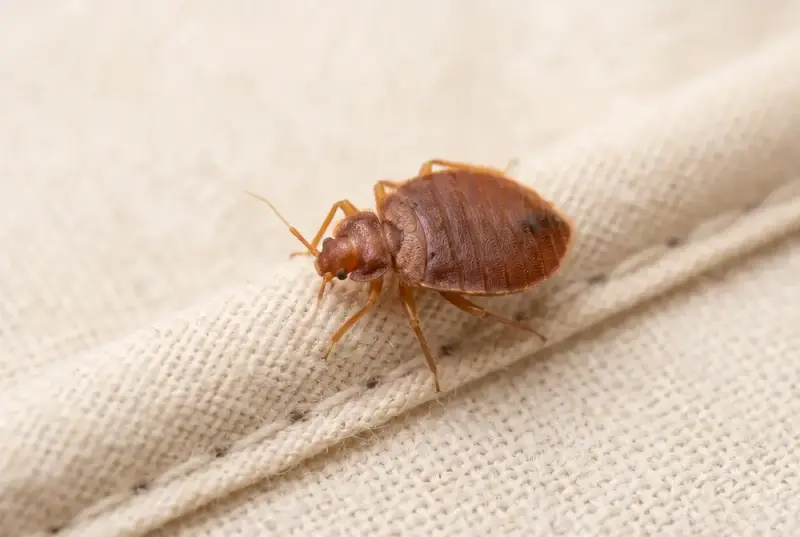
Bed bugs, fleas, mites and moths
from £210
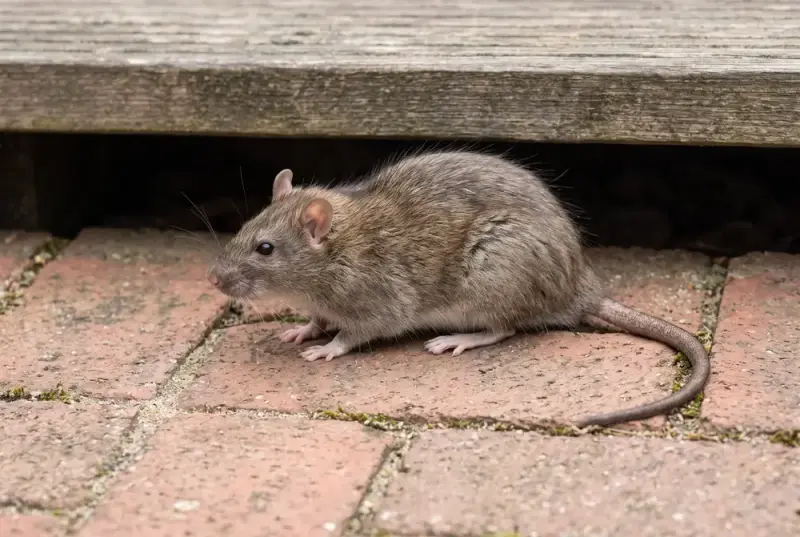
Rats, mice, squirrels and ants
from £240
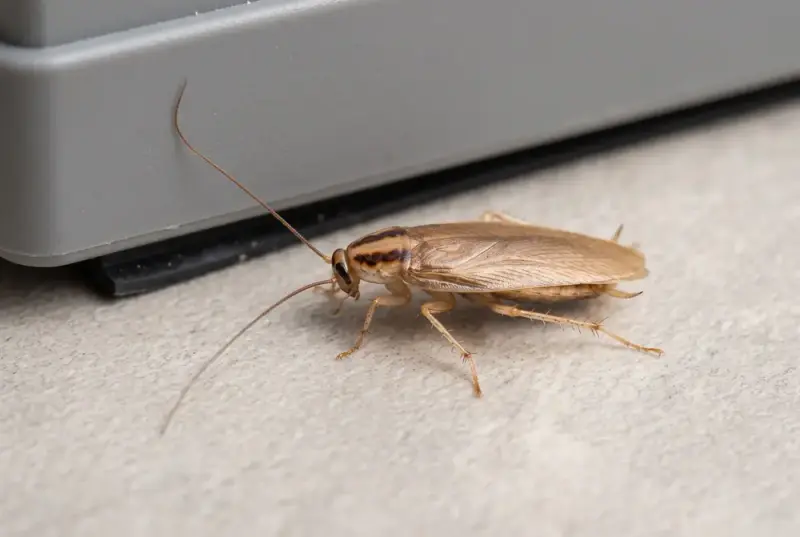
Cockroaches
£550 for five weekly visits
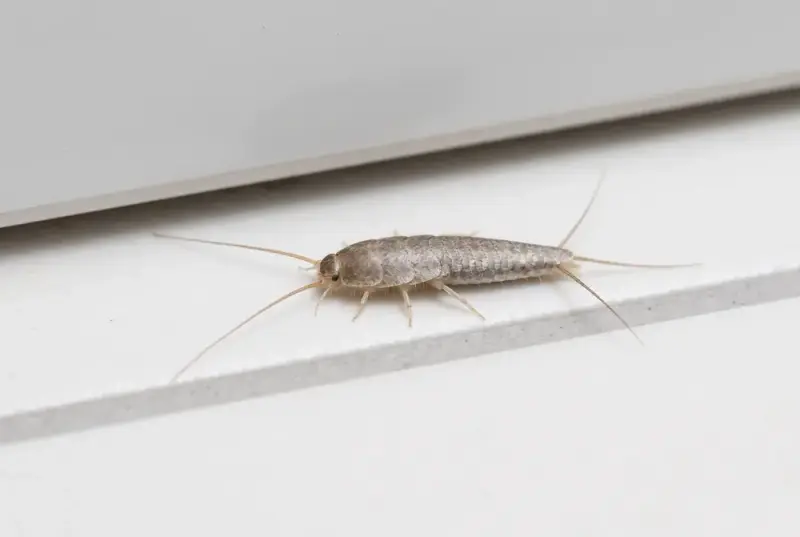
Silverfish
priced after the technician's inspection
Bed bug, flea, mite, moth and beetle prices rise with the number of bedrooms. For bed bugs, fleas, mites and cockroaches we send a preparation sheet first and visit once your home is ready. Evening and weekend visits are available on request, and a weekend visit costs £60 extra. Business sites are priced per site.
Local notes for Harrow
Postcodes and areas
HA1 covers the town centre, Greenhill, Harrow on the Hill and part of North Harrow. HA2 runs west through Rayners Lane and Roxeth to Pinner South. HA3 takes in Kenton, Wealdstone, Hatch End and Harrow Weald, HA5 covers Pinner, and Stanmore uses HA7. Several HA districts cross into neighbouring boroughs, so an HA address is not always in Harrow.
Metroland semis and flats
Harrow grew after the Metropolitan Railway reached Harrow-on-the-Hill in 1880 and made it the unofficial capital of Metroland. In Harrow today, private landlords house 30 per cent of households, and the homes themselves are 37 per cent semi-detached, 26 per cent purpose-built flats, 17 per cent terraced and 11 per cent detached (ONS, Census 2021). Mice squeeze through gaps around pipes and airbricks, and in a row of semis one gap in a party wall can let them into the next house.
The hill and the green belt
Harrow Hill rises to 124 metres, and the northern slopes around Harrow Weald Common are Green Belt, beside Bentley Priory Nature Reserve at Stanmore. Gardens that back onto woodland tend to see more wildlife, including rats where bins and compost heaps offer food. Roof spaces and sheds suit wasp nests from late spring.
Schools, offices and shops
Harrow School’s Georgian buildings stand on the hill, and a University of Westminster campus sits in the centre. A school or an office can find what its type of site needs on the education and offices pages.
Harrow Council’s position
According to the council's pest control page, it cannot recommend companies and provides no pest control service.
Your questions, answered.
Do you cover Harrow, Pinner and Stanmore?
Yes. A1 Pest Control covers Harrow for homes and businesses. Send your full postcode and what you have found through the form or call 0800 059 0135.
Does Harrow Council deal with pests?
No. The council says it does not provide a pest control service for homes or commercial properties and cannot recommend companies.
Who handles pests on a Harrow council estate?
GOV.UK guidance says a landlord is liable straight away for a hazard in the common parts of a block, so report pests to the landlord in writing and keep a copy.
Why do mice keep returning in Harrow semis?
Semi-detached houses make up 37 per cent of Harrow homes (ONS, Census 2021), and they share a party wall and often a run of gardens. Mice enter through gaps near pipes, airbricks and eaves, so a gap next door can undo your work. Seal what you can, keep food in tins or boxes, and tell your neighbours so they check their houses too.