Pest control in Chatham
Homes and businesses in Chatham have A1 Pest Control looking after them. Chatham, in Medway, Kent, grew around a Royal Navy dockyard founded in 1567 that closed in 1984. The old yard now holds a museum, businesses, homes and University of Kent faculties. Terraces are the largest share of any type in the five town wards, at 45.2 per cent of 23,942 households, against 37.7 per cent across Medway; private landlords house 22.1 per cent (ONS, Census 2021). If your premises are in ME4 or ME5, send the postcode, the type of premises and what you have found, and we will reply with what we can offer.
Which pests do we treat in Chatham?
Starting prices
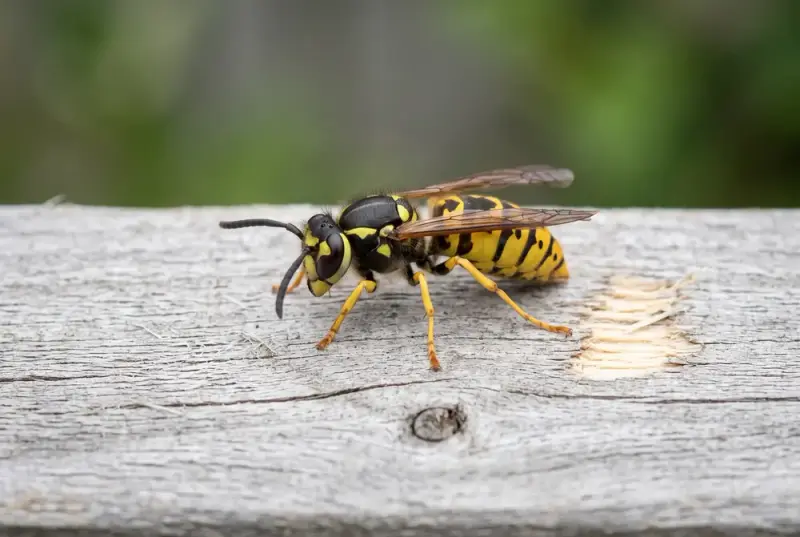
Wasp nest
from £170
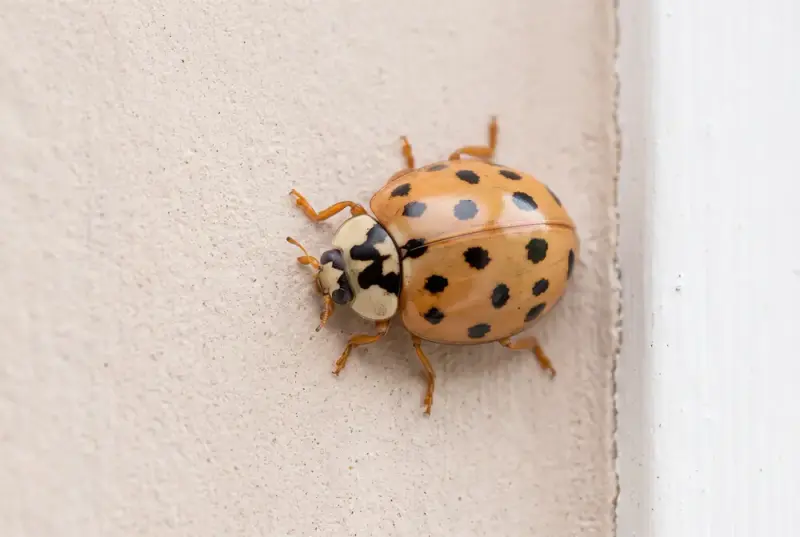
Ladybirds
from £190
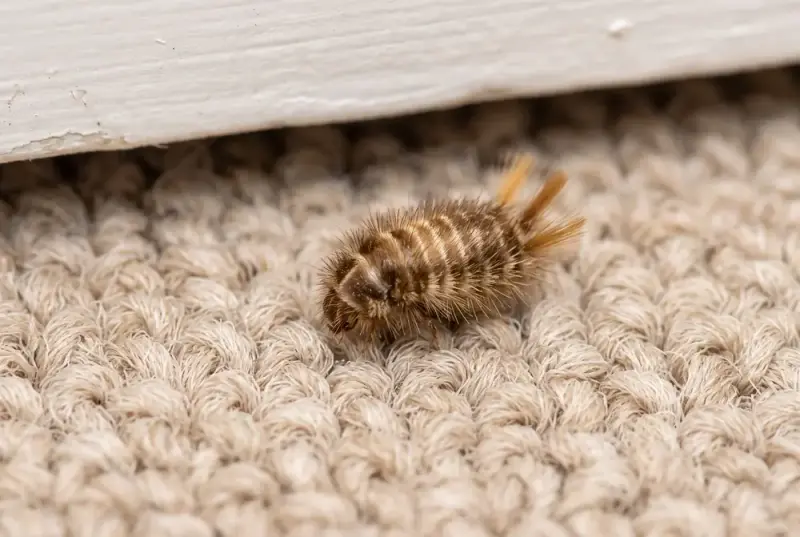
Carpet beetles and biscuit beetles
from £195
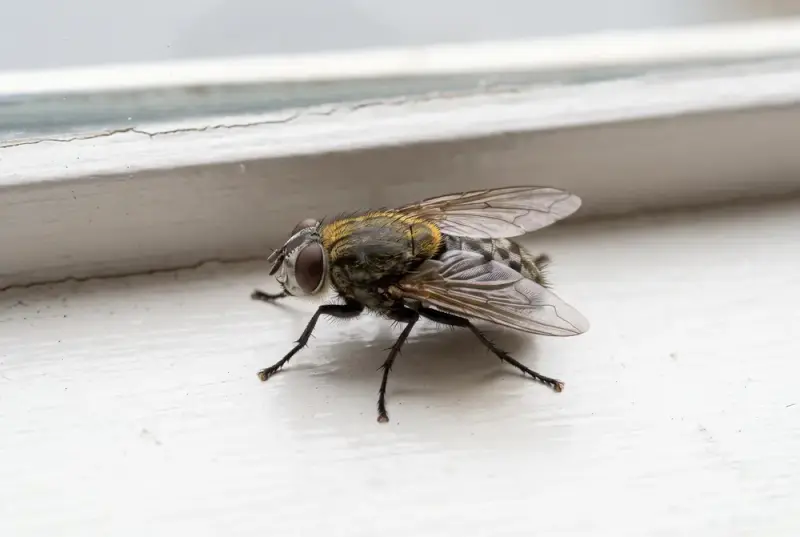
Cluster flies
from £200
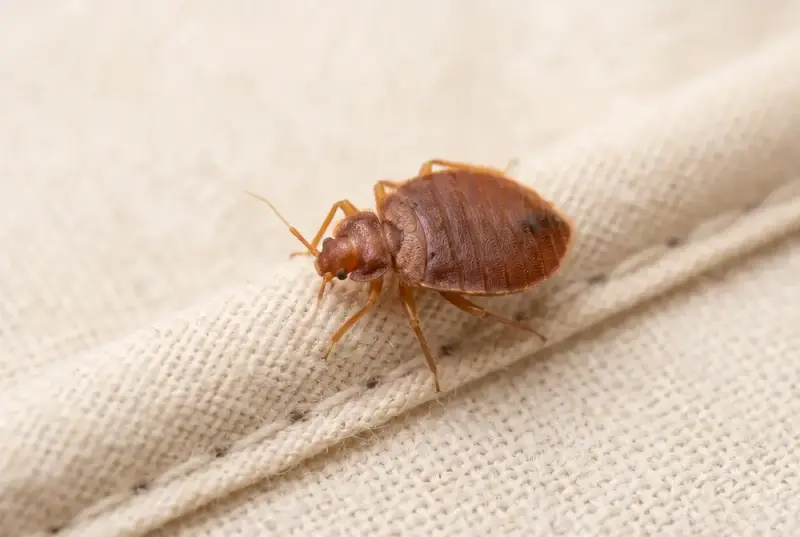
Bed bugs, fleas, mites and moths
from £210
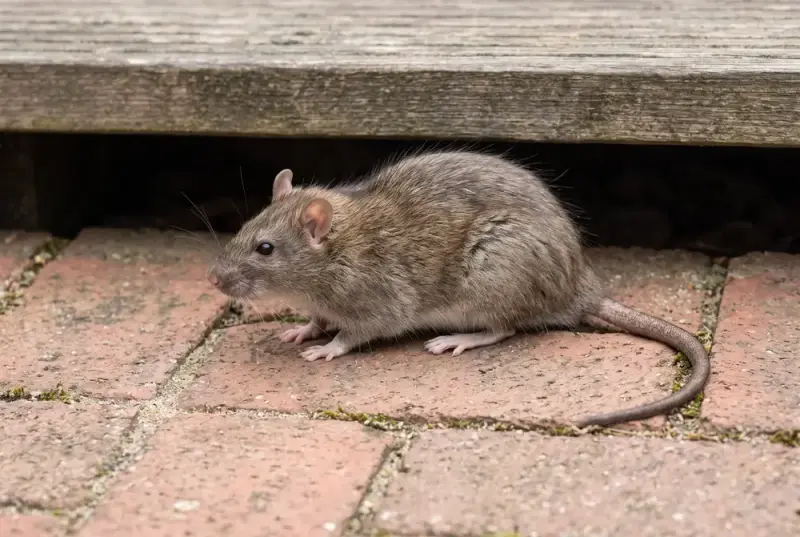
Rats, mice, squirrels and ants
from £240
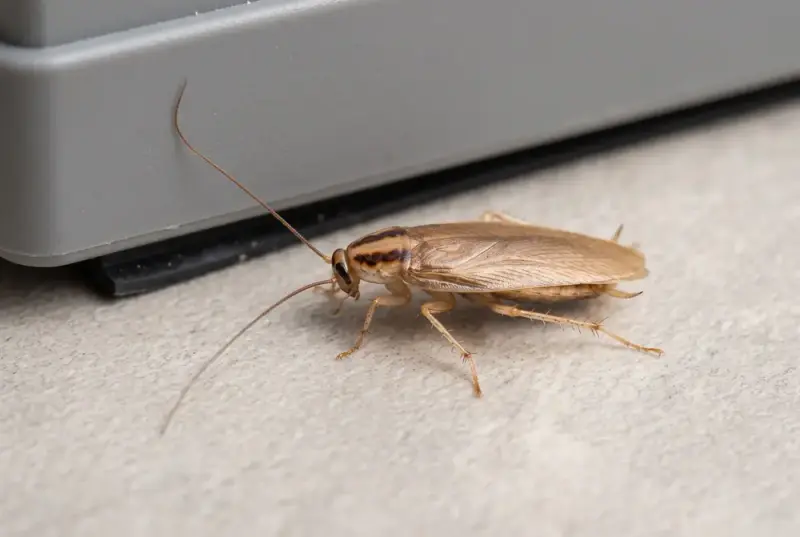
Cockroaches
£550 for five weekly visits
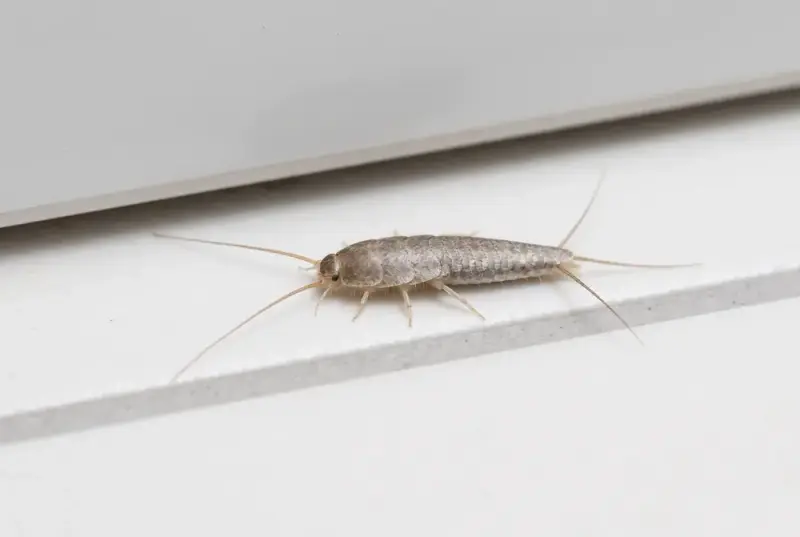
Silverfish
priced after the technician's inspection
Bed bug, flea, mite, moth and beetle prices rise with the number of bedrooms. For bed bugs, fleas, mites and cockroaches we send a preparation sheet first and visit once your home is ready. Evening and weekend visits are available on request, and a weekend visit costs £60 extra. Business sites are priced per site.
Local notes for Chatham
Postcodes and wards
ME4 covers the town centre, Fort Pitt, Fort Horsted, Luton and St Mary’s Island, and it lies in Medway alone. ME5 takes in Walderslade, Lordswood, Princes Park and Wayfield, and it also reaches Maidstone and Tonbridge and Malling at its edges. ME1 is Rochester (postcodes.io).
Terraces, tenure and the old wards
The Census 2021 figures here add up five 2022 wards: Chatham Central, Luton and Wayfield, Walderslade, Lordswood and Capstone, and Princes Park. By dwelling type, the figures are 28.0 per cent semi-detached, 12.1 per cent purpose-built flat and 11.7 per cent detached. Tenure splits into 59.2 per cent owners, 22.1 per cent private landlords and 17.6 per cent social landlords (TS044 and TS054).
Dockyard, forts and the Great Lines
Chatham Historic Dockyard Trust says the yard covers 80 acres with over 100 buildings and structures, 47 of them scheduled ancient monuments, and that its rule is preservation through reuse. Workers have made rope there for over 400 years, and the Trust says Chatham is the only one of the original four Royal Navy ropeyards still working (Trust page). Fort Amherst, which builders began in 1756, has underground tunnels, and the Great Lines Heritage Park above the town is open 365 days a year (Medway Council).
See our rats page, food premises and commercial pest control for sites in several towns.
Your questions, answered.
What should I send A1 about a Chatham property?
Send your ME4 or ME5 postcode, the type of premises and what you have found, and we will say what we can offer.
Who helps with bees in Chatham?
Medway Council says it does not offer a pest control service for bees and points you to the Medway Beekeepers Association. Its wasp page explains how to tell the two apart: wasps have much less hair and three clear body parts, and a swarm is likely to be honeybees.
Which Chatham postcodes reach other districts?
According to postcodes.io, ME4 lies in Medway alone. ME5 also reaches Maidstone borough around Boxley Downs and Tonbridge and Malling around Aylesford, so the council for an address can differ. ME1 covers Rochester and ME7 covers Gillingham. Give the full postcode when you get in touch, and say where you have seen the pests.
How do mice get into a Chatham terrace?
Medway Council says house mice squeeze through tiny gaps and hide by day behind cookers, in lofts, sheds and compost bins. Its advice is to seal gaps under external doors and around pipes, cover air vents with wire mesh, keep food in sealed containers and stop plants climbing the wall, because mice can use them to reach the roof.
Can A1 look after a business with sites in Chatham and elsewhere?
A1 Pest Control takes multi-site commercial contracts, so one agreement can list premises in several towns. Send your Chatham postcode, the type of premises and the number of sites, and we will say what we can offer. For historic or listed buildings, tell us what the building is and what you use it for.