Pest control in Orpington
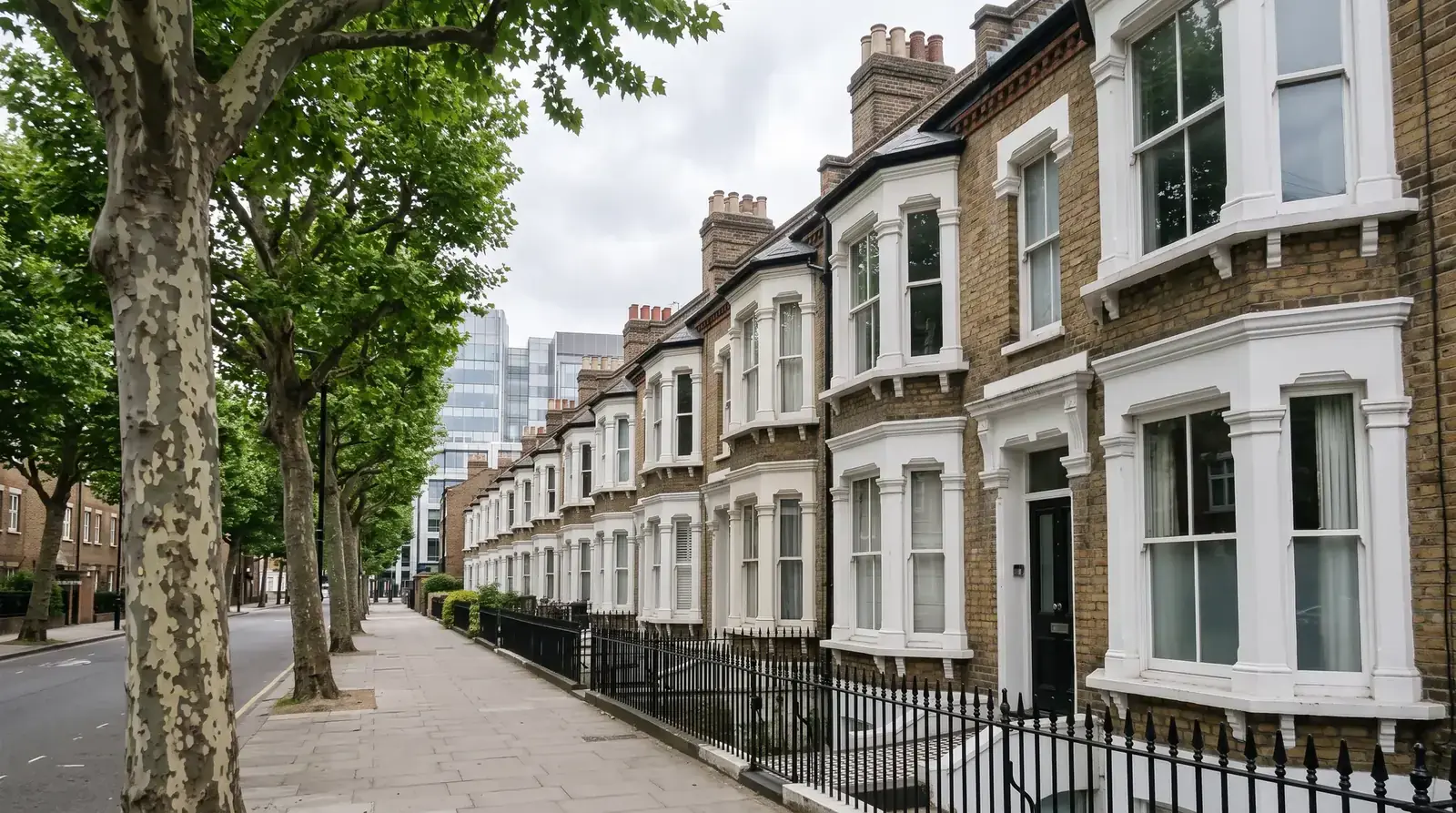
Orpington’s homes and businesses are taken on by A1 Pest Control for pest control. Orpington lies on the edge of the London built-up area. The River Cray rises in Priory Gardens in the town and runs north through St Mary Cray and St Paul’s Cray. Bromley borough has 68.5 per cent of households owning their home (ONS, Census 2021). Whoever runs shops, units or offices in BR5 or BR6 should give their postcode, the type of premises and what they have found when they get in touch.
Which pests do we treat in Orpington?
Starting prices
Wasp nest
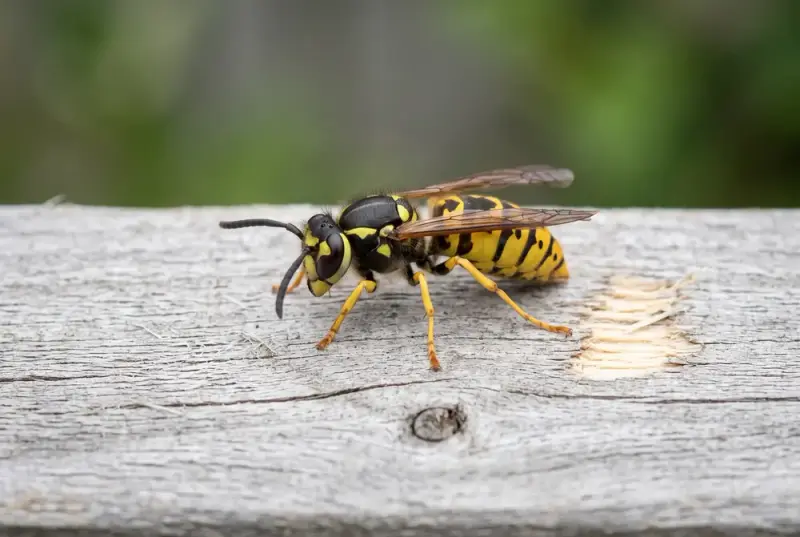
from £170
Ladybirds
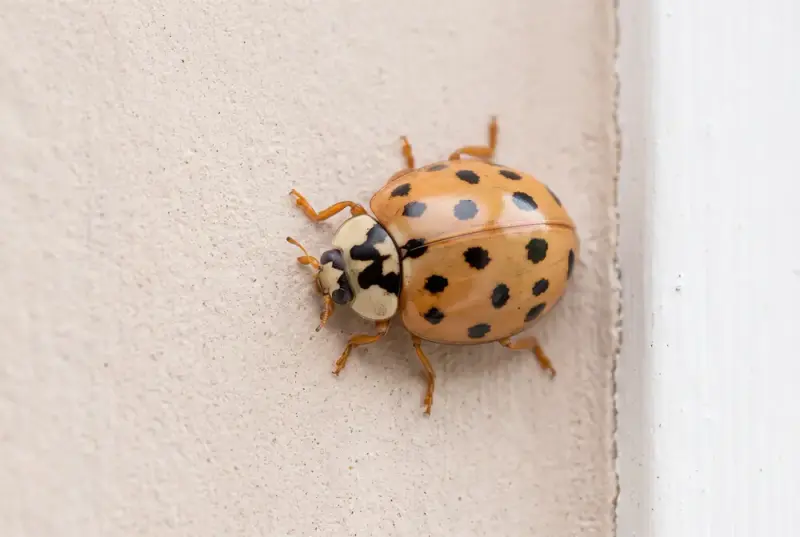
from £190
Carpet beetles and biscuit beetles
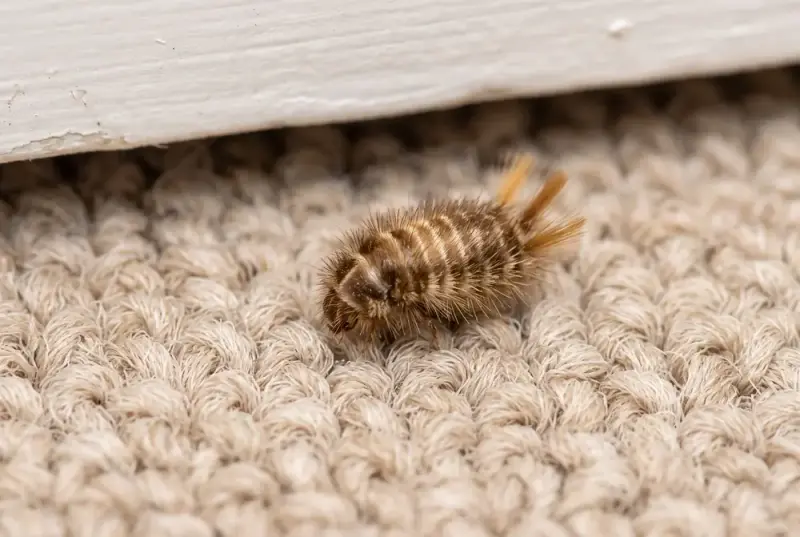
from £195
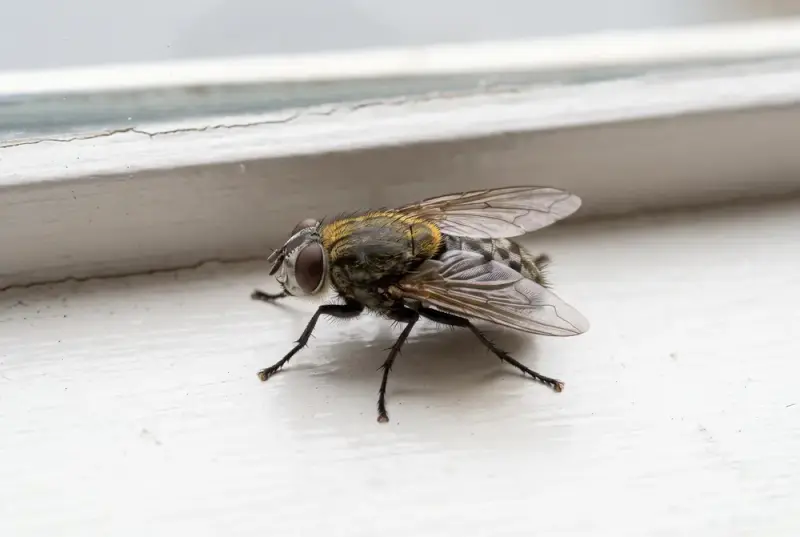
Cluster flies
from £200
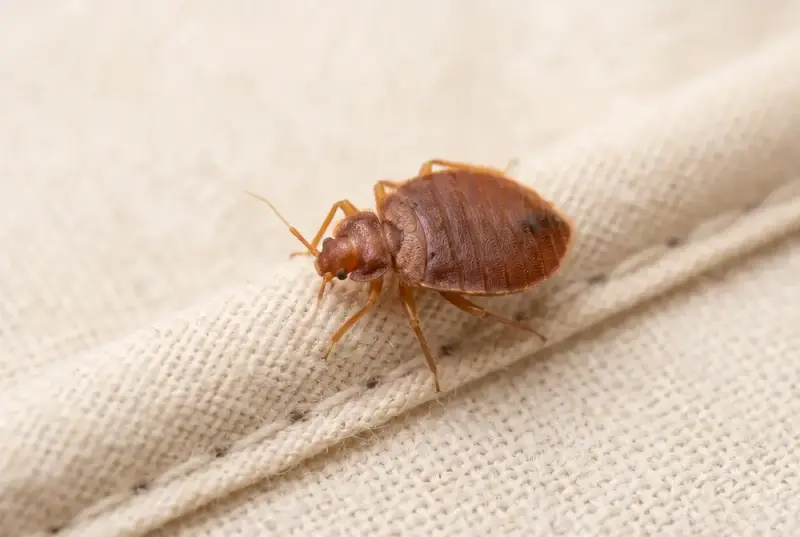
Bed bugs, fleas, mites and moths
from £210
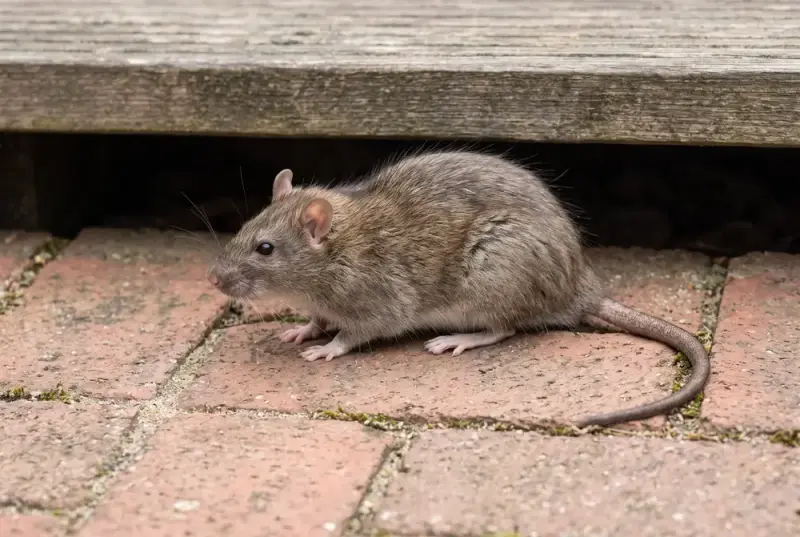
Rats, mice, squirrels and ants
from £240
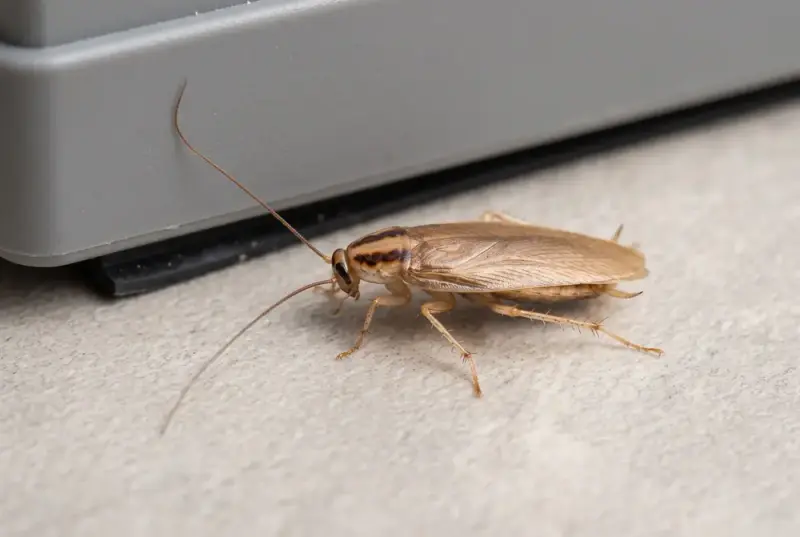
Cockroaches
£550 for five weekly visits
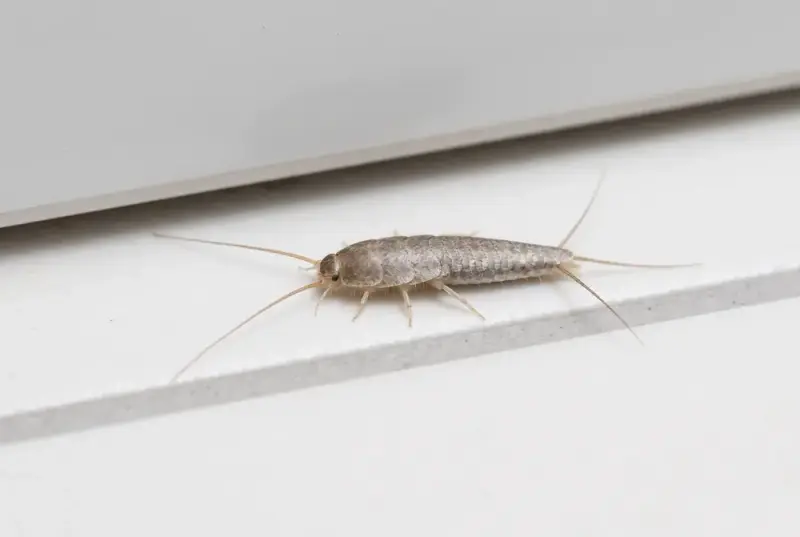
Silverfish
priced after the technician's inspection
Bed bug, flea, mite, moth and beetle prices rise with the number of bedrooms. For bed bugs, fleas, mites and cockroaches we send a preparation sheet first and visit once your home is ready. Evening and weekend visits are available on request, and a weekend visit costs £60 extra. Business sites are priced per site.
Local notes for Orpington
Postcodes and areas
BR5 lies in Bromley alone, and its wards include Orpington, Petts Wood and Knoll, Chelsfield, Farnborough and Crofton, St Mary Cray and St Paul’s Cray. BR6 covers Orpington, Petts Wood and Knoll, Chelsfield, Farnborough and Crofton and Darwin, and it also reaches Sevenoaks district, where its wards include Crockenhill, Halstead and Knockholt. BR8 is the Swanley postcode, and it takes in the St Mary Cray and St Paul’s Cray wards as well.
The Cray and its mills
The Cray runs north through St Mary Cray and through St Paul’s Cray, where it once powered a paper mill. The Cray Riverway footpath leads ten miles from Foots Cray towards the Thames (Mayor of London, River Cray and Southern Marshes framework). St Mary Cray was a market town in Kent with brewing and paper mills. In the 1930s the farmland at Poverest became industrial and office buildings, and the factories on Cray Avenue ranged from paint and ink to baking and preserved foods.
Station, suburbs and woodland
Orpington station opened in 1868 and prompted housing in Crofton and Broom Hill. Basil Scruby built most of Petts Wood in the late 1920s.
Where shops, units and food sites fit
To see what each type of site needs, read our pages on food premises, warehouses and retail and hospitality.
Your questions, answered.
Which Orpington postcodes reach beyond Bromley?
BR5 lies in Bromley alone. BR6 also reaches Sevenoaks district, through the Crockenhill, Knockholt and Shoreham parishes, and BR8 also reaches Dartford and Sevenoaks districts (postcodes.io). Give the full postcode and the name of the site when you get in touch, because a postcode does not always name the council area.
What if the animal in my loft is a bat?
GOV.UK says it is an offence to disturb or destroy bats, or the places where they roost, even inside your home. It also says to trap or kill only permitted animals, and to get professional advice if you do not know which ones those are. Find out which animal you have before you set a trap or put down poison.
How fast do mice breed in a storage unit?
The British Pest Control Association gives mice a 21-day breeding cycle, and a female can have 5 to 10 litters a year. Mice nest in roof spaces, under floors, in wall cavities and in storage boxes wherever food and warmth sit together. They need a gap of only 6mm to get in, about the width of a pencil eraser.
How do I keep other wildlife away from traps and bait near Petts Wood?
GOV.UK says you must protect other animals from the traps or poison you put down. Place lethal traps under cover so other animals and birds are not caught, and stop wildlife eating the poison. Use poison only for the pests named on its packaging, and get professional advice if you are unsure how to use traps or poisons.
Why are there so many wasps around my café tables?
The British Pest Control Association says queens start new nests in spring, and a nest can hold up to 5,000 wasps at its peak in late summer. A large number of wasps around a home or workplace points to a nest or a substantial attractant nearby. A wasp in distress releases a pheromone that sends nearby colony members into a defensive frenzy.