If you've ever found holes in your favourite wool jumper or noticed damage to your carpets, you may have experienced the unwelcome presence of clothes and carpet moths. These pests can cause serious damage to your home’s textiles, but with the right steps, you can prevent and eliminate them. In this post, we’ll explore how to identify, protect against, and get rid of moths effectively to keep your home and belongings safe.
What Are Clothes and Carpet Moths?
Clothes moths and carpet moths are two types of pests that feed on natural fibres like wool, silk, cotton, and even fur. While both can cause damage, they target different items:
- Clothes moths tend to feed on clothing and fabrics, often hiding in your wardrobe or drawers.
- Carpet moths are drawn to your carpets, rugs, and soft furnishings, quietly munching away at the fibres.
The damage is done by the larvae, not the adult moths, which means the real trouble begins once the eggs hatch and the larvae start feeding.
How to Spot Moth Infestations
The sooner you spot a moth infestation, the easier it is to manage. Look out for these signs:
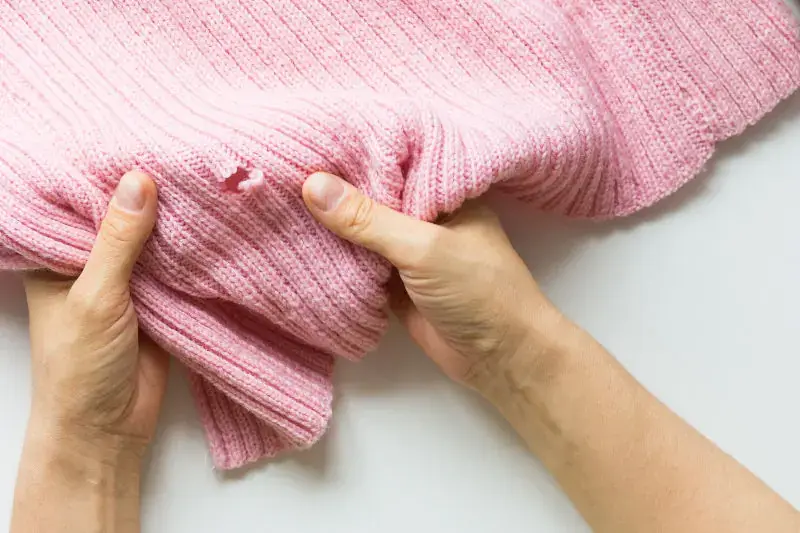
- Holes in your fabrics: Tiny, irregular holes in your clothing, carpets, or rugs are often the first sign of moth activity.
- Larvae: The larvae look like tiny, white caterpillars and may be hidden within your clothes or under carpets.
- Webbing: Moth larvae often leave behind silken webbing, which can be found in corners, under furniture, or along fabric seams.
- Adult moths: Adult moths are small, golden or pale brown insects that you might notice flying around dark corners of your home, particularly at night.
How to Prevent Moth Problems
The best way to protect your belongings from moths is by preventing them from entering in the first place. Here’s what you can do:
- Vacuum regularly: Vacuum your carpets, rugs, and soft furnishings to remove eggs and larvae.
- Proper storage: Store seasonal clothes in sealed bags or garment covers to keep moths out.
- Use moth repellents: Natural solutions like lavender or cedarwood can deter moths. Mothballs are another option for wardrobes and drawers.
- Keep your home clean: Moths are attracted to dark, damp areas, so keeping your home well-lit, dry, and tidy makes it less inviting.
- Inspect second-hand items: When buying second-hand clothing or furniture, check for any signs of moth damage before bringing them into your home.
How to Get Rid of Moths
If moths have already taken hold, here’s how to get rid of them:
- Wash affected items: If you can, wash clothes and fabrics in hot water to kill the larvae. For delicate items, consider dry cleaning.
- Professional treatments: In severe cases, consider professional treatments from a pest control expert like A1 Pest Control. We can use safe, effective methods to eradicate the infestation and prevent future issues.
- Moth traps: Pheromone traps are a handy way to catch adult moths, helping reduce their numbers and monitor the infestation.
When to Call in the Professionals
If you’ve tried DIY methods and the moths persist, it may be time to call in the experts. A1 Pest Control specialises in safe, effective moth treatments. Our team can inspect your home, identify the source of the infestation, and put a plan in place to eliminate the pests for good.
Moths might seem small, but the damage they cause can be costly and frustrating. The key to preventing infestations is early detection and taking the right precautions. If you’re already dealing with a moth problem, don’t hesitate to reach out to A1 Pest Control for professional help. We’ll ensure your home is moth-free and your belongings are protected.
Frequently Asked Questions (FAQ)
Can moths cause health problems?
While clothes and carpet moths themselves don't pose direct health risks to humans, their larvae can cause irritation if they come into contact with your skin.
The real concern, however, is the damage they cause to fabrics and textiles, which can result in expensive repairs or replacements.
Additionally, moth infestations can lead to allergic reactions in some people due to the dust and particles left behind by the larvae. In rare cases, some people may experience respiratory issues from inhaling the dust created by moth activity.
How do I prevent moths in my wardrobe?
To prevent moths from invading your wardrobe, consider the following steps:
- Store clothes properly: Use airtight bags or garment covers for seasonal clothing. This prevents moths from accessing your clothes.
- Regularly clean your wardrobe: Vacuum and wipe down shelves, corners, and the floor of your wardrobe to remove any eggs or larvae.
- Use moth repellents: Natural repellents like lavender, cedarwood, or mothballs can deter moths. Place them in drawers and wardrobes to keep moths at bay.
- Check second-hand items: Before bringing second-hand clothes or fabrics into your home, inspect them for signs of moth damage or larvae.
How long does it take to eliminate a moth infestation?
The time it takes to eliminate a moth infestation depends on the severity of the problem and the method of treatment. For minor infestations, it can take a few weeks to completely remove the moths, as treatments need time to kill larvae and eggs. More severe cases may require professional pest control services, which could take longer to fully address.
After treatment, it's essential to follow preventative measures to avoid future infestations. Regular monitoring and cleaning can help ensure the problem doesn’t return.
How can A1 Pest Control help?
At A1 Pest Control, we offer solutions to tackle clothes and carpet moth infestations. Our expert team provides the following services:
- Inspection and Assessment: We begin by conducting a thorough inspection of your property to identify the source of the infestation and assess the extent of the damage. Our trained technicians will pinpoint where moths are hiding and breeding.
- Effective Treatment: We use safe, targeted treatments to eliminate moths, their larvae, and eggs. Whether it’s spraying or moth trapping, we apply the most suitable solution for your situation.
- Prevention Strategies: After dealing with the immediate problem, we offer advice on long-term prevention to keep moths from returning. This includes guidance on storage, cleaning, and using moth repellents effectively in your home.
- Ongoing Monitoring: If needed, we offer ongoing monitoring services to ensure that your property remains moth-free. We’re available for follow-up visits and advice.
By choosing A1 Pest Control, you can rest assured that your moth problems will be addressed swiftly and effectively, keeping your home and belongings safe from damage.