Have you noticed an unusual number of wasps around your bushes? Are they showing up in your living room despite closed doors and windows? Wasps are known for their aggressive behaviour and painful stings, so it’s understandable that you want them off your property as soon as possible.
Look out for these common signs of a wasp nest:
- An increase in the number of wasps
- Constant buzzing noises
- Clusters of worker wasps in specific areas
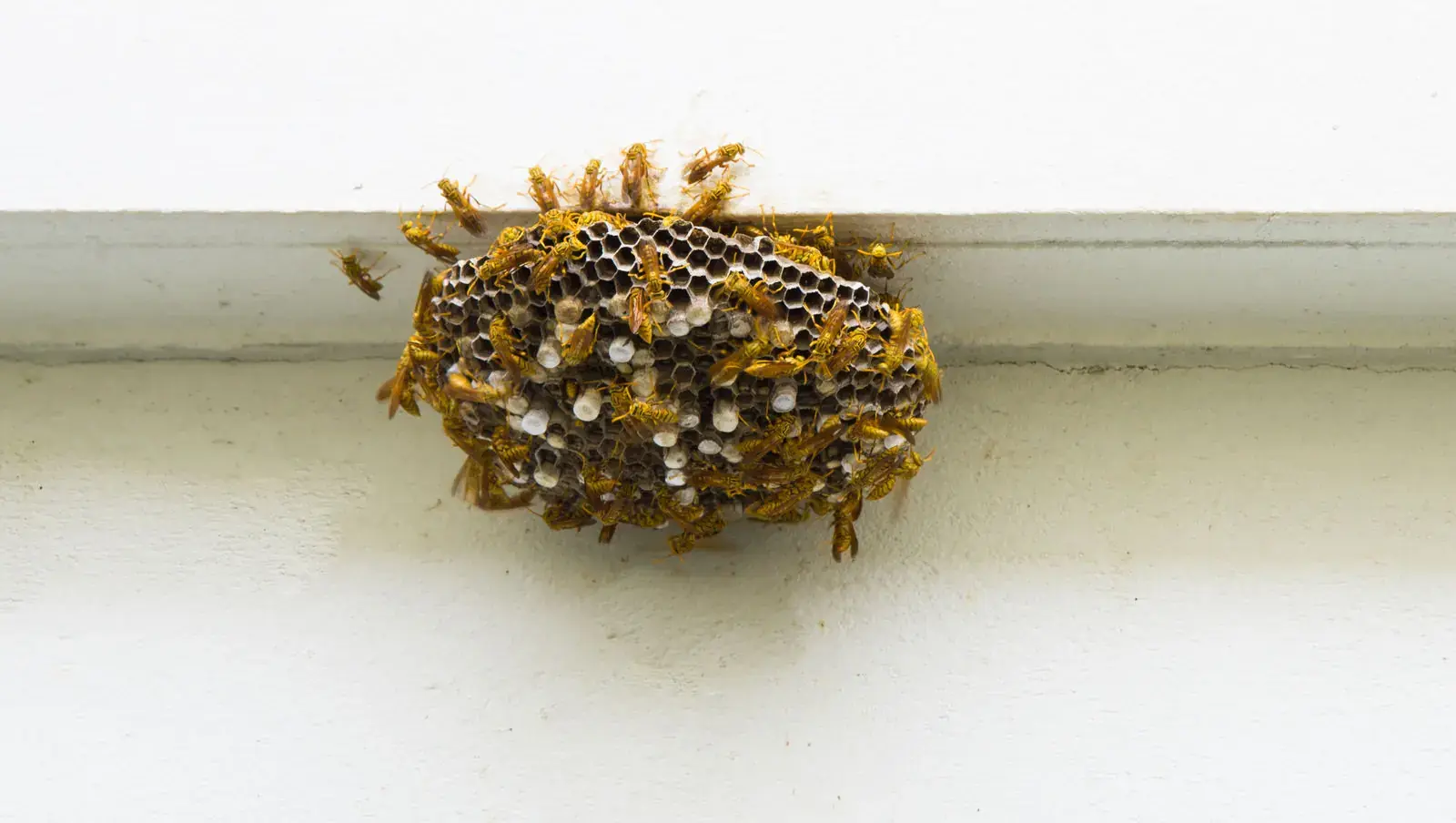
- Visible papery nests
- Aggressive behaviour and unexpected stings
- Damp patches
We specialise in wasp nest removal
With our deep understanding of wasp behaviour and dedication to nature, we’re the trusted experts for identifying and resolving wasp-related issues. Contact us today for fast and effective wasp nest removal.
In this blog, our specialists will help you recognise the most common signs of a wasp nest in your home or business, including persistent buzzing, wasp activity, and nest structures. Keep reading to learn how to detect a wasp nest and what steps to take once you’ve found it!
What makes the perfect nesting area for wasps?
Wasps are skilled builders and tend to be picky about where they create their nests. In early spring, the queen wasp ventures out to find an ideal location for her colony.
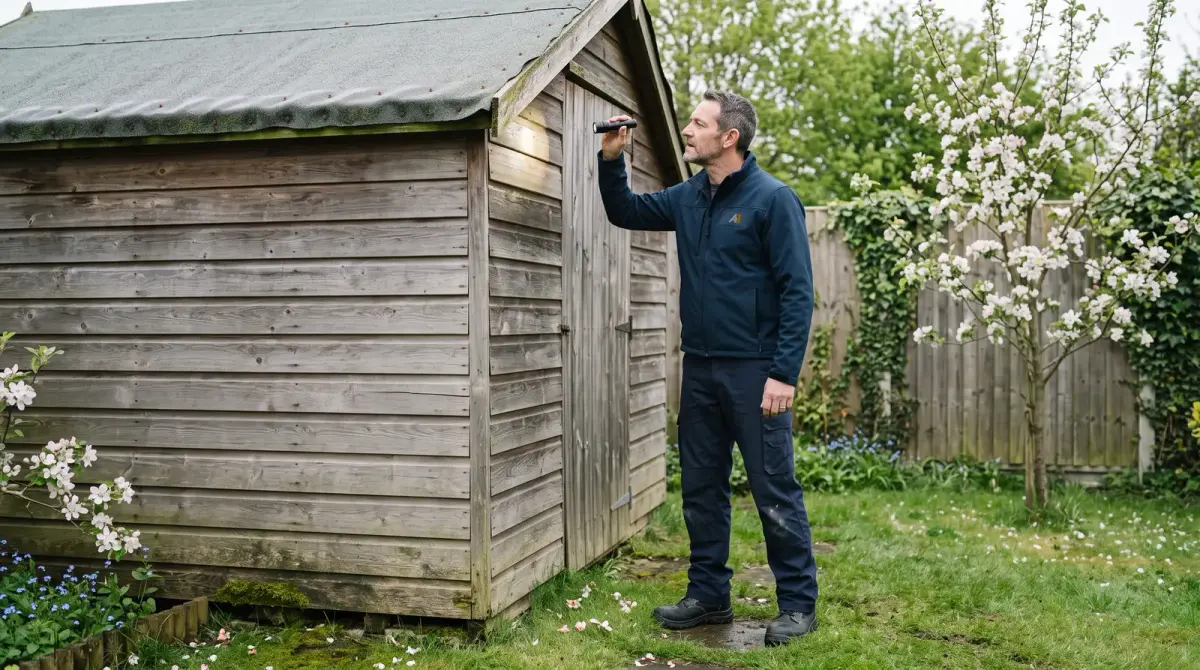
Wasps usually favour areas that provide ample shelter, protecting them from predators and harsh weather. Common nesting spots include garden sheds, wall cavities, birdhouses, and even attics. Some species, like the Digger wasp, might choose to build their nests underground.
In addition to seeking security and shelter, adult wasps need food to sustain their active lives. They are drawn to sugary foods like fruit, fizzy drinks, and sweets, and often build their nests near these food sources.
What are the signs that wasps are inhabiting?
Although it's helpful to know where wasps typically build their nests, you may not always be able to spot one. Here are some unmistakable signs that could indicate the presence of a wasp nest in your home, garden, or business.
Wasp Sightings
A noticeable rise in wasp activity is one of the clearest indicators of a nest nearby. If you start seeing more wasps than usual around your property or gathering in certain areas of your garden, it's worth paying closer attention. Observing where the wasps are flying to and from can help you pinpoint the location of the nest.
Chewed Wood
Wasp colonies construct their nests by chewing small pieces of wood and mixing them with saliva to form a paper-like material. Spotting chewed wood, particularly in specific areas, can be a key indicator of a wasp nest issue.
Notice some unusual wasp activity? Contact us
If you're noticing unusual wasp activity around your home or business, it's likely that a nest is nearby. While this can be a nuisance at best and potentially dangerous if you suffer any stings, we can help you restore your peace of mind quickly.
Our priority has always been safety and care. We're proud to be protecting both the environment and local wildlife.