Pest guide
Bed bugs: signs, treatment and prevention
Appearance and possible signs.
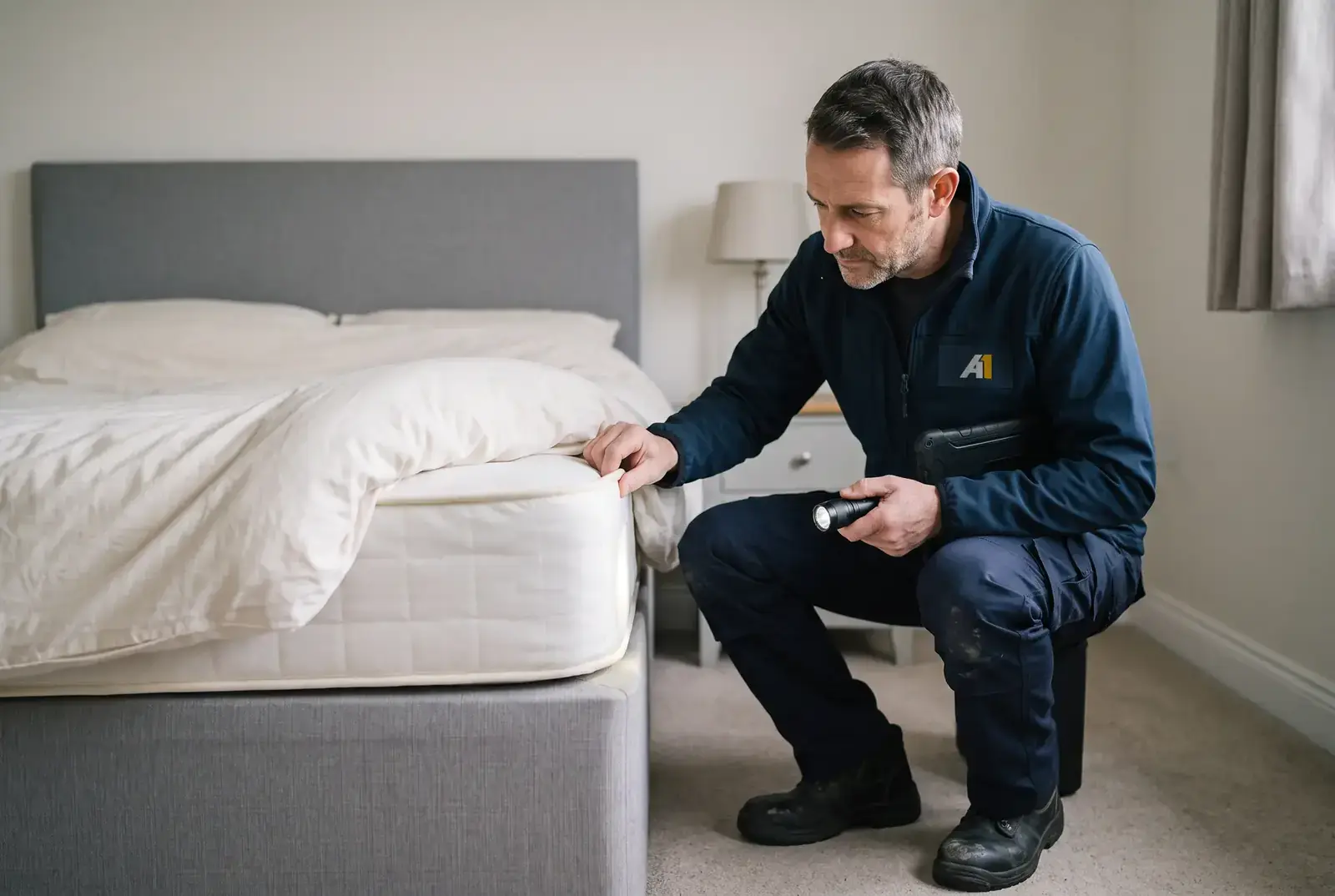
Bed bugs show themselves through itchy bites in a line or cluster on skin exposed in bed, small blood spots on sheets, and dark specks along mattress seams and the bed frame. A1 Pest Control treats bed bugs with a full inspection, insecticide treatment of the bed and hiding places, and a follow-up visit to finish the job.
What signs should I look for?
Bed bugs hide by day and feed at night, with most activity just before dawn. Strip the bed and check with a torch.
- Bites: itchy red bumps on the arms, neck, face or legs, often in a line or a small group. Some people do not react at all, so one person in a bed may have bites and the other none.
- Blood spots: small red or rusty marks on sheets and pillowcases.
- Dark specks: tiny brown or black spots, bed bug droppings, along mattress seams, the headboard, the bed frame and the edges of carpet.
- Shed skins and eggs: pale, empty skins and white eggs about 1 mm long in seams, joints and crevices.
- The bugs: flat, oval and mahogany brown, 4 to 5 mm long when adult, about the size of an apple seed, and redder after feeding.
- A smell: a sweet, musty smell in the room when an infestation has grown.
Where to look
Check mattress seams and labels, the bed base and frame joints, the headboard (where it meets the wall in particular), bedside tables, skirting boards, plug sockets near the bed, picture frames and the edges of loose wallpaper. Bed bugs live close to where people sleep or sit for long periods, so sofas and armchairs can be affected too.
Bed bugs or something else?
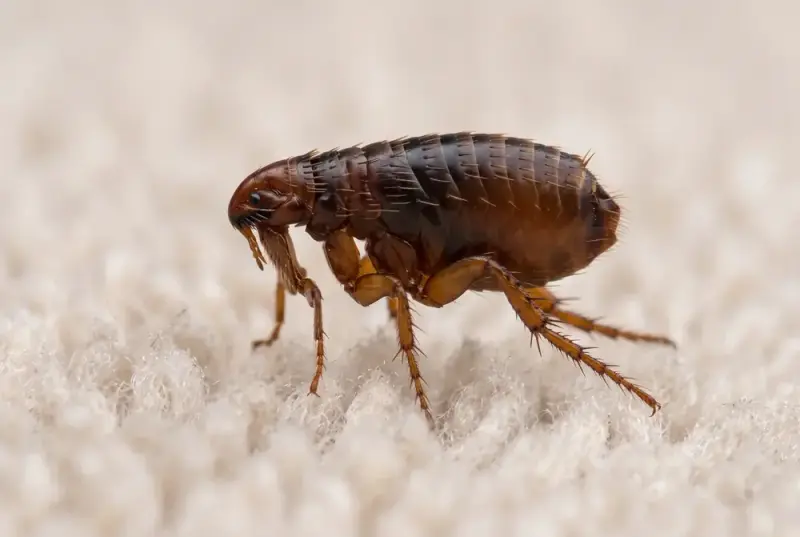
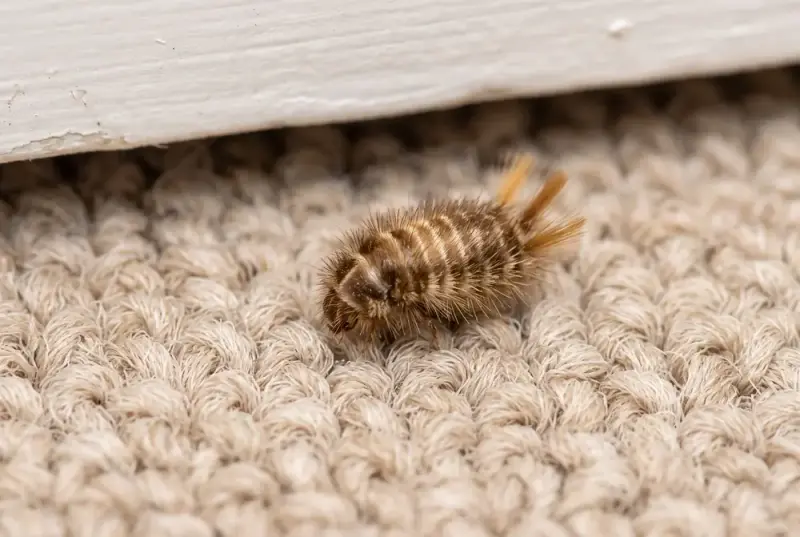
Flea bites cluster on the ankles and lower legs and often come with a pet that scratches. Carpet beetle larvae are hairy, slow and found in carpets and wardrobes rather than beds. See flea treatment and carpet beetles if that sounds closer.
Why are they a problem?
Bed bugs do not go away on their own. A female lays around 150 eggs in her lifetime, and adults can survive a year or more without feeding, so an empty spare room is not a cure.
Sleep, skin and stress
The NHS says bites can cause intense itching and painful swelling, and scratched bites can become infected. Bed bugs are not known to spread disease in Britain, according to the Natural History Museum, but night after night of bites wears people down.
They spread on your belongings
Bed bugs travel in luggage, clothing, bags and second-hand furniture. They also spread from room to room, which is why we check the rooms next to an infested one. The NHS says they are very difficult to get rid of yourself, and things you can try at home are unlikely to clear them completely.
For businesses
In hotels, guest houses, HMOs, hostels and care homes one infested room can lead to complaints, refunds, bad reviews and rooms out of use. Guests and residents bring bed bugs in, so what matters is finding the affected rooms and treating them before the bugs spread.
How do we get rid of them?
- Inspection. The technician checks the bed, furniture and room fabric to confirm it is bed bugs and to see how far they have spread, including neighbouring rooms where needed.
- Preparation. We give you a checklist before the visit: wash bedding and clothes from the room, bag items, clear the floor and move furniture away from the walls.
- Treatment. We treat the mattress, bed frame, headboard, skirting, carpet edges and every crack and crevice where bed bugs hide, using insecticides chosen for the room and the people who use it.
- Time out of the room. You stay out of treated rooms for a few hours, until surfaces are dry, and we tell you when it is safe to go back in.
- Follow-up visit. Eggs can survive the first treatment, so a follow-up checks for young bugs as they hatch. The number of visits depends on the size of the infestation.
Homes and business premises
For homes
Bed bugs can turn up in any home, often after a trip away, a guest’s visit or a second-hand bed or sofa. We don’t put signs up. We give you a clear preparation list and a fixed price before any work starts, and tell you when you can use the room again.
For businesses
For hotels, landlords, letting agents and care providers we inspect the reported room and the rooms around it, treat to a schedule that keeps rooms out of use for as short a time as we can, and give you a written report for each room. See commercial pest control and pest control for property management.
How do I stop them coming back?
You cannot stop bed bugs hitching a lift, but you can spot them early and avoid bringing them home.
- In hotels, check the mattress seams and headboard before you unpack, and keep your case on the luggage rack, off the bed and floor.
- If you have stayed somewhere with bed bugs, check luggage and clothing before taking them indoors, and wash anything affected at 60°C and tumble dry it on a hot setting for at least 30 minutes, as the NHS advises.
- Check second-hand beds, sofas and bedside tables before they come into the house.
- Put items you cannot wash in a sealed bag in the freezer for two to three weeks.
- Keep clutter away from the bed, so there are fewer places to hide and signs are easier to see.
- Fit a zipped mattress cover, which leaves bed bugs no seams to hide in and makes checks easier.
How much does treatment cost?
Bed bug treatment, by the size of the property:
- Spray treatment: £210 for 1 bedroom, £265 for 2, £310 for 3, £410 for 4 to 5
- Steam and spray treatment: £295 for 1 bedroom, £345 for 2, £410 for 3, £495 for 4 to 5
A revisit costs £110 per bedroom for spray treatment and £160 per bedroom for steam and spray. Weekend visits cost £60 extra. Hotels and landlords with several rooms or units can have a per-room or contract price.
Your questions, answered.
How do I know if bites are from bed bugs?
Bed bug bites are often in a line or small group on skin exposed while you sleep, such as the arms, neck and shoulders, and they itch. Bites alone are not proof, because other insects bite too and some people do not react. Look for blood spots on the sheets and dark specks along mattress seams. If you find those as well, it is likely to be bed bugs.
Are bed bugs a sign of a dirty home?
No. Bed bugs feed on blood, not dirt, and they can turn up in any home or hotel, however clean. They arrive in luggage, clothes and second-hand furniture. Clutter does give them more places to hide and makes them harder to spot, so a tidy bedroom helps the treatment work, but a clean home can still get bed bugs.
Can I get rid of bed bugs myself?
The NHS says it is very difficult to get rid of bed bugs yourself, and things you can try at home are unlikely to clear them completely. Bed bugs hide in tiny cracks, and their eggs survive many treatments. You can help by washing bedding at 60°C, vacuuming and keeping clutter down, but most infestations need a professional treatment with a follow-up visit.
Do I need to throw away my mattress?
Not in most cases. We treat the mattress, seams and bed frame, and a zipped mattress cover afterwards traps any survivors and makes checks easier. A mattress with torn covers or a heavy infestation may be better replaced, but wait until after treatment, wrap it before you carry it through the house, and do not leave it where someone else might take it.
How many treatments will I need?
The number of visits depends on the size of the infestation, and eggs can survive the first treatment and hatch afterwards. Flats with neighbours who also have bed bugs, and rooms full of clutter, can make treatment longer. Follow the preparation list and do not move to sleep in another room unless we tell you to.
Do I need to leave the house?
Only for some treatments, such as bed bug sprays, and only for a few hours. You stay out of the treated rooms until the surfaces are dry, and we tell you in advance how long that is. Take pets with you, and cover or remove fish tanks.
Do bed bugs spread disease?
Bed bug bites are not known to spread disease in Britain. The harm comes from the bites themselves: intense itching, swelling and, if you scratch, a risk of infection. Repeated bites and broken sleep also take their toll. A pharmacist can recommend creams or antihistamines, and the NHS advises seeing a GP if bites stay very painful or the swelling spreads.
Bed bug treatment near you
Tell us what's happening.
Share your postcode and the signs you have noticed.