Pest control in Newbury
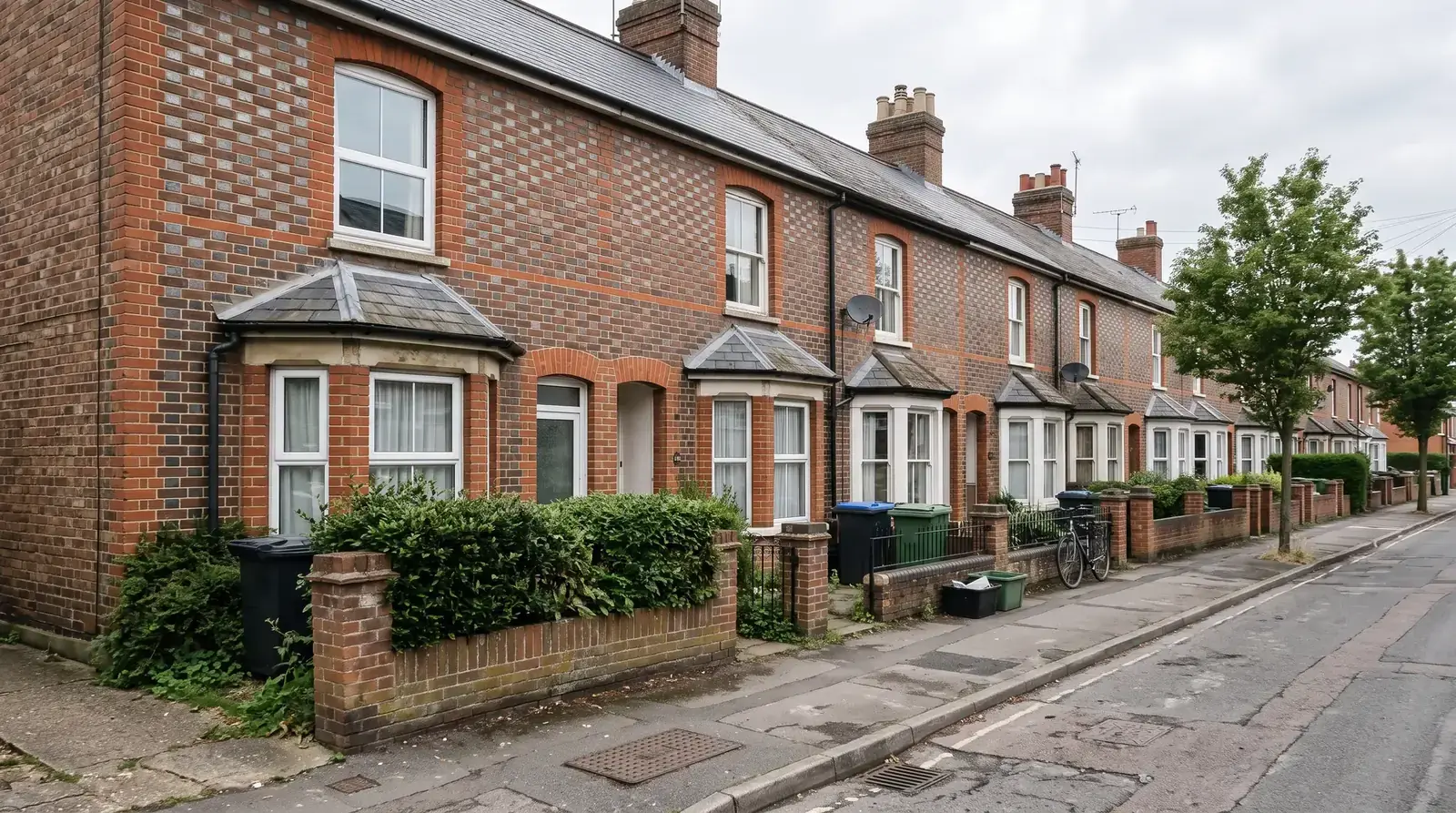
A1 Pest Control treats pests in Newbury, Speen, Wash Common and Greenham for homes, landlords and businesses. The River Kennet and the Kennet and Avon Canal both flow east through the middle of town, and domestic gardens cover about a third of Newbury’s land. In West Berkshire, 33 per cent of homes are detached, 33 per cent are semi-detached and 68 per cent of households own their home (ONS, Census 2021). Large gardens, watercourses and old buildings around the Market Place give rats, mice, squirrels and wasps plenty of cover, and horse feed and bedding in the racing stables around Lambourn draw rodents to wherever it sits. Tell us your RG14 or RG20 postcode and what you have noticed, and we will say what it is likely to be and what treatment involves.
Which pests do we treat in Newbury?
Starting prices
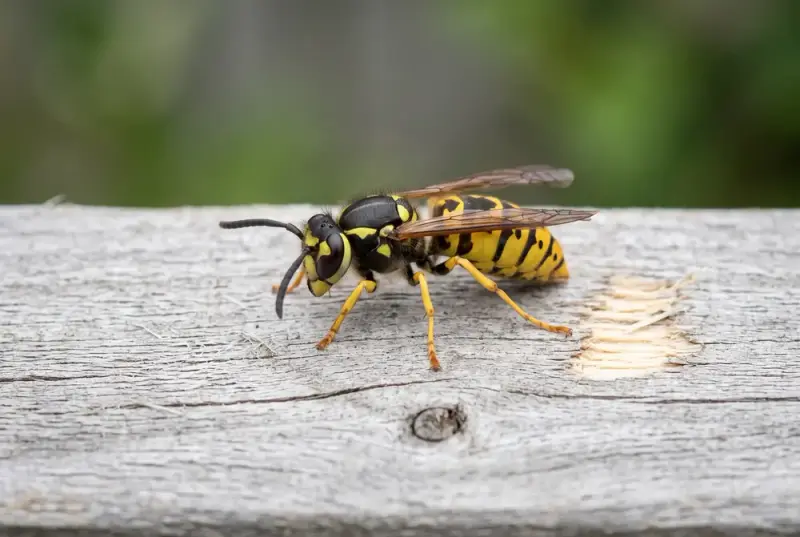
Wasp nest
from £170
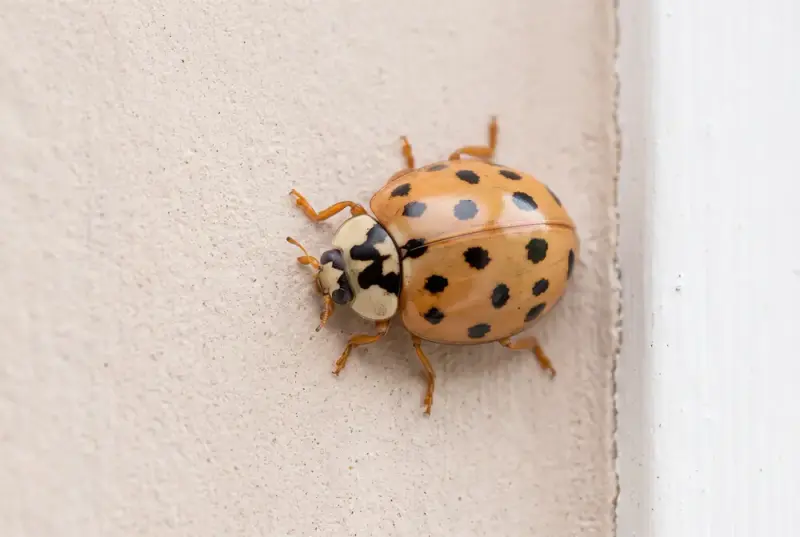
Ladybirds
from £190
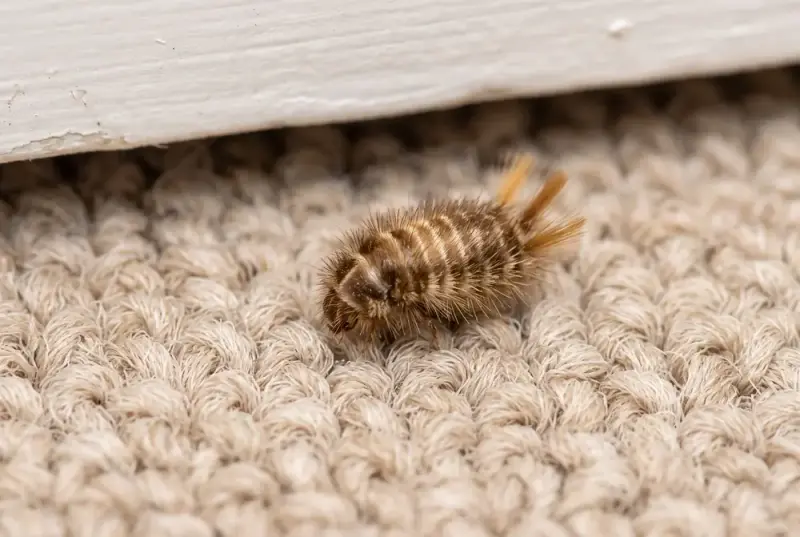
Carpet beetles and biscuit beetles
from £195
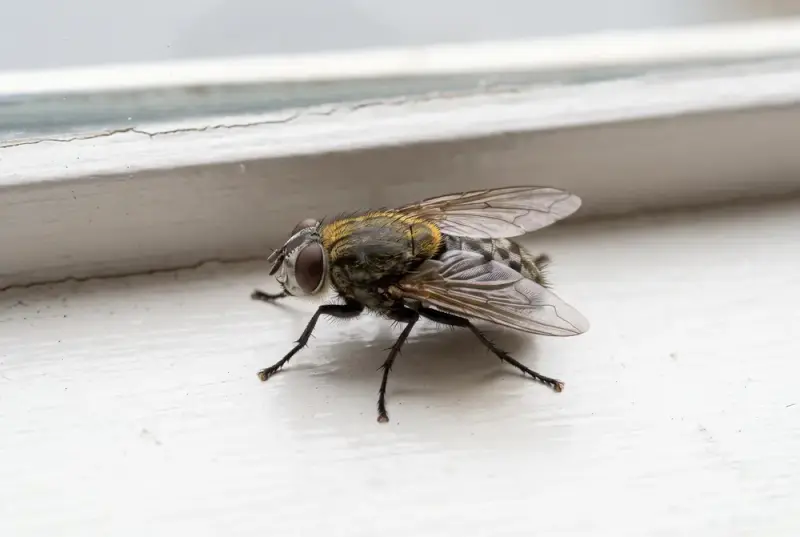
Cluster flies
from £200
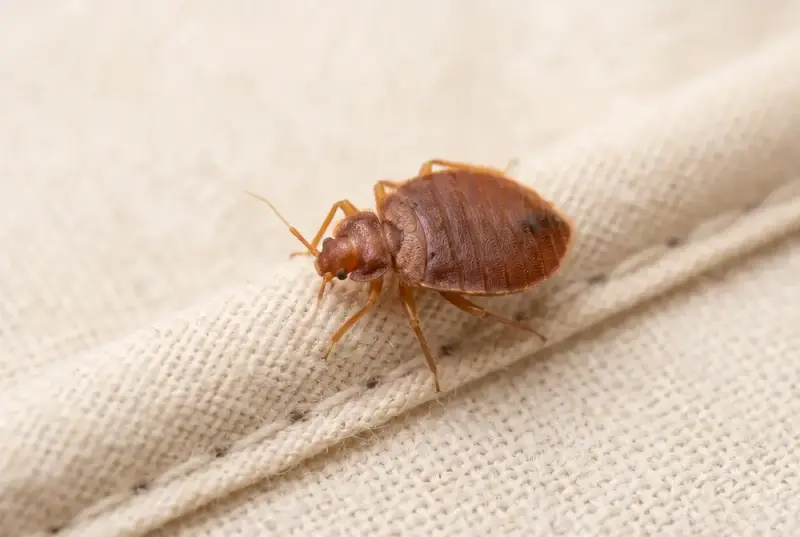
Bed bugs, fleas, mites and moths
from £210
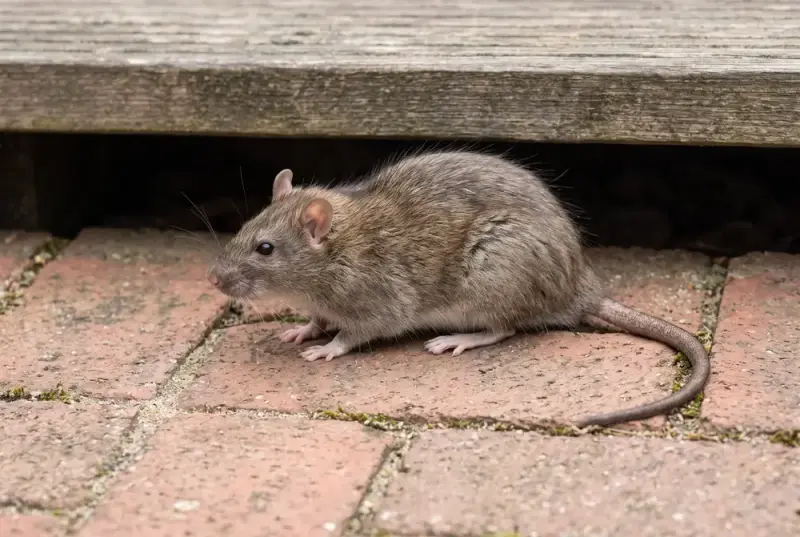
Rats, mice, squirrels and ants
from £240
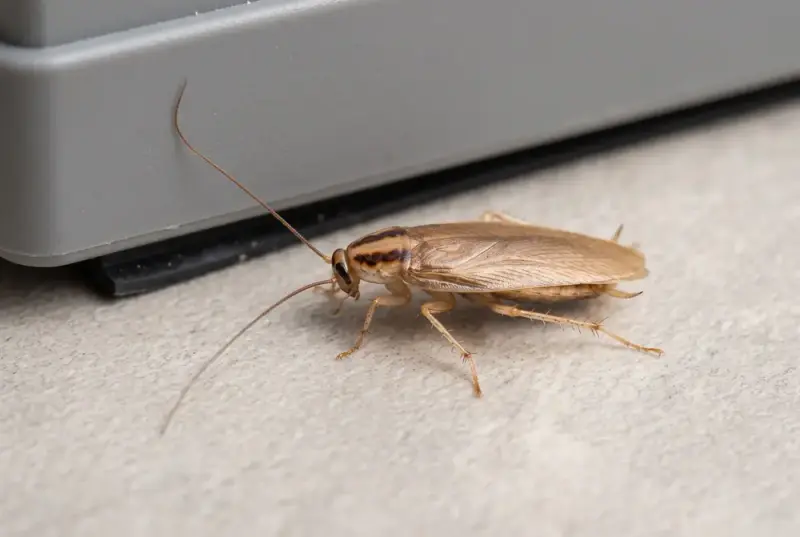
Cockroaches
£550 for five weekly visits
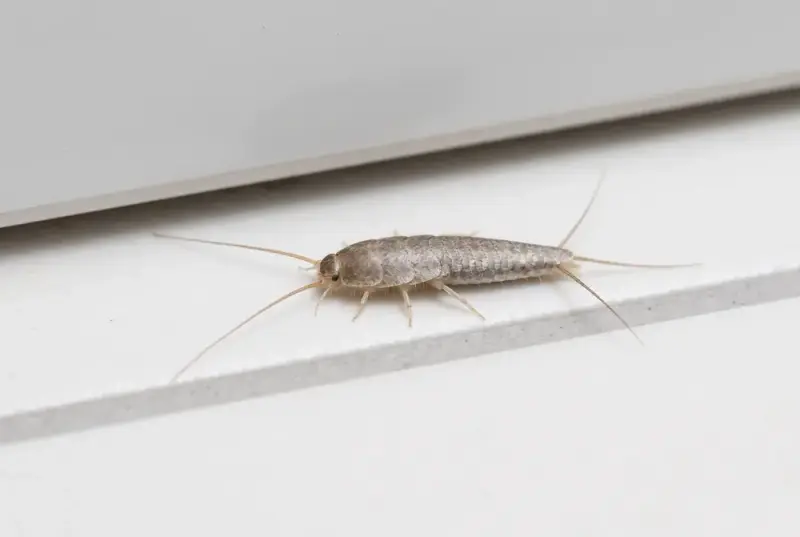
Silverfish
priced after the technician's inspection
Bed bug, flea, mite, moth and beetle prices rise with the number of bedrooms. For bed bugs, fleas, mites and cockroaches we send a preparation sheet first and visit once your home is ready. Evening and weekend visits are available on request, and a weekend visit costs £60 extra. Business sites are priced per site.
Local notes for Newbury
Postcodes and areas
RG14 covers Newbury, Speen, Wash Common, Greenham and Shaw cum Donnington, with Cold Ash and Chieveley on the edge. RG20 takes in villages to the north and west, such as East Ilsley, Burghclere and East Woodhay. RG19 covers the Thatcham side.
An old market town
Newbury keeps a rare medieval Cloth Hall with an adjoining half-timbered granary, the 15th-century church of St Nicolas and listed buildings from the 17th and 18th centuries around the Market Place. Speenhamland filled with coaching inns when travellers broke the journey between London and Bath. Thick walls, timber and big roof voids in buildings of this age suit mice, squirrels and carpet moths.
Gardens, the Kennet and the common
Gardens take up 34 per cent of the town’s land (2005), and the Kennet and the canal run through the centre. Greenham Common, a wartime RAF station that later became a US Air Force base, adjoins the south-east edge, and the North Wessex Downs lie round three sides. Homes next to water, gardens and woodland tend to see more rat, squirrel and wasp activity.
Your questions, answered.
Which postcodes do Speen, Chieveley and the villages around Newbury use?
Speen and Wash Common sit inside Newbury and share the RG14 postcode with Greenham, Cold Ash and Chieveley. RG20 takes in villages to the north and west, such as East Ilsley, Burghclere and East Woodhay, and RG19 covers the Thatcham side. Call 0800 059 0135 or send your postcode through the form.
Why do I get rats in a Newbury garden near the canal?
Gardens take up about a third of Newbury’s land, and the Kennet and the canal run through the centre. Water, long grass, compost heaps and bird feeders give rats food and cover. Bins with the lid closed, tidy borders and sealed gaps around pipes cut the supply. Our rats page lists the signs, from droppings to burrows by walls and sheds.
Do you treat moths and mice in older Newbury buildings?
Yes. Listed and timber-framed buildings, thick walls and old floors give mice and moths places to settle unseen. We inspect, treat the affected rooms and show you where to close gaps. Wool carpets, stored clothes and upholstery feed carpet moth larvae, so check under furniture first.
Can you remove a wasp nest from a loft or shed in Newbury?
Yes. Gardens cover about a third of Newbury, and the North Wessex Downs wrap round the town, so wasps have plenty of sheltered places to build in lofts, eaves, sheds and wall cavities. Do not block the entrance or knock the nest. Tell us where the wasps fly in and out, and we will say what treatment involves and whether the nest needs removing.