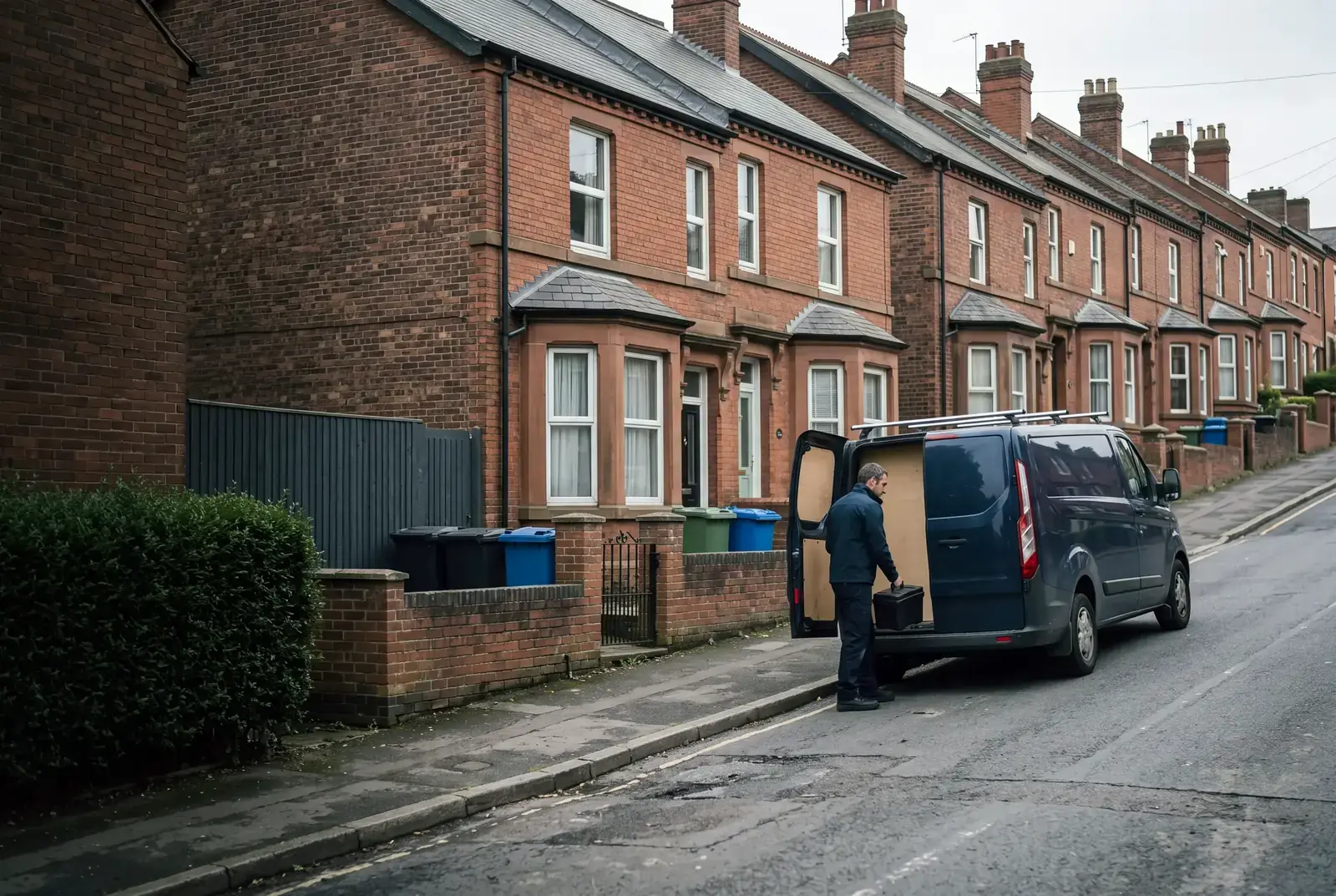
Pest control in Luton
A1 Pest Control covers Luton for homes and businesses. Luton’s mix of Victorian and inter-war terraces, large rented sector, the airport and the industrial estates along the M1 bring different problems: mice and bed bugs in flats and HMOs, rats around bins and watercourses, and rodent and bird issues on commercial units. The town forms one built-up area with Dunstable and Houghton Regis, which sit on the other side of the M1. At the 2021 census, 29 per cent of Luton households lived in private rented homes, and landlords and letting agents need a clear record of what was found, what was treated and which gaps were sealed. Send your postcode, the type of premises and what you have found, and we will say what we can offer.
Which pests do we treat in Luton?
Starting prices
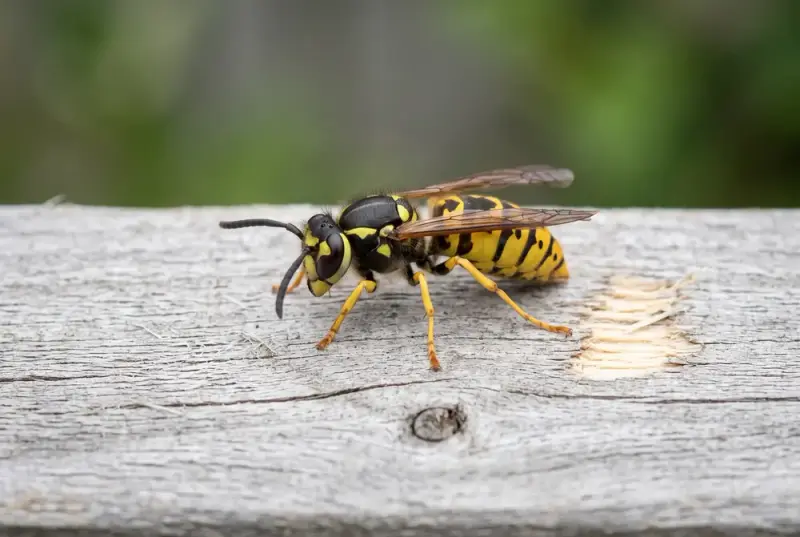
Wasp nest
from £170
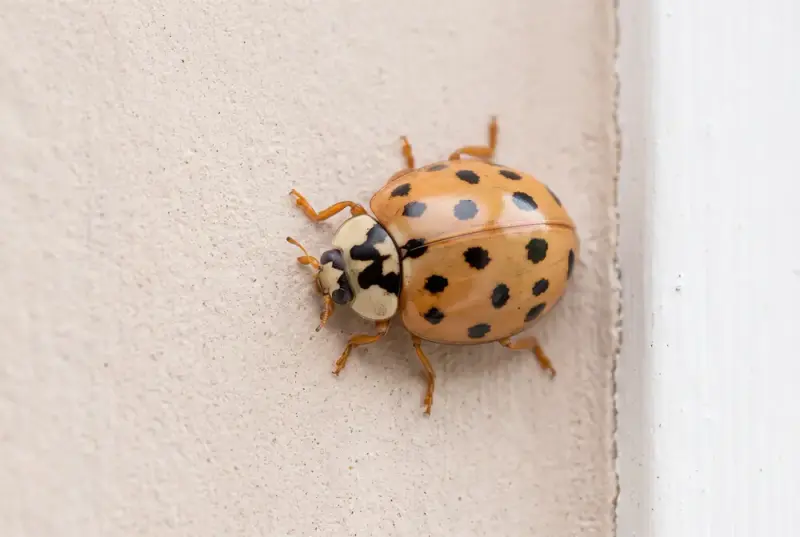
Ladybirds
from £190
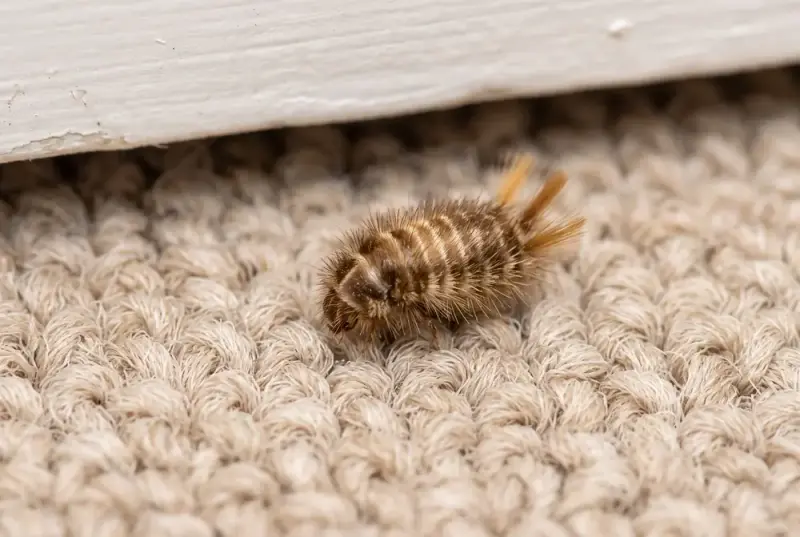
Carpet beetles and biscuit beetles
from £195
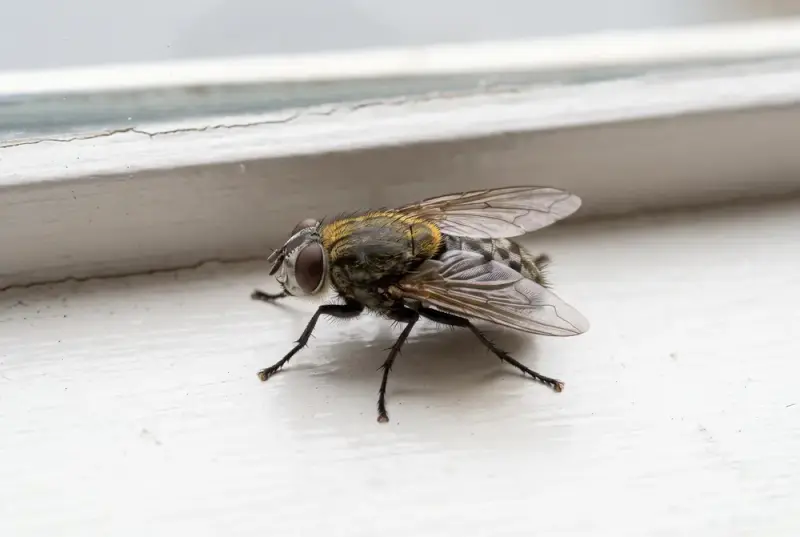
Cluster flies
from £200
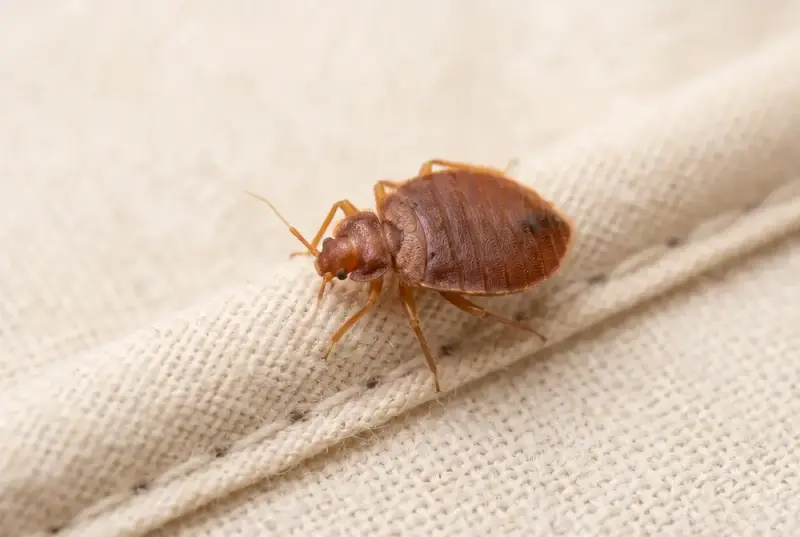
Bed bugs, fleas, mites and moths
from £210
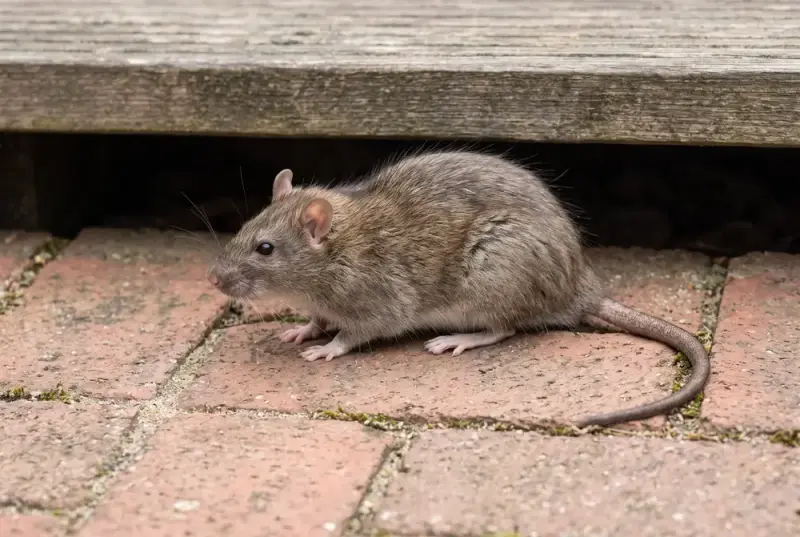
Rats, mice, squirrels and ants
from £240
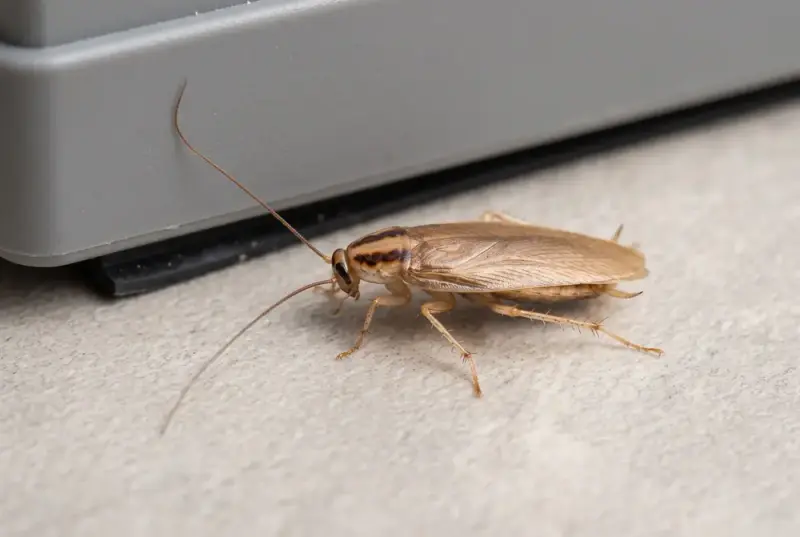
Cockroaches
£550 for five weekly visits
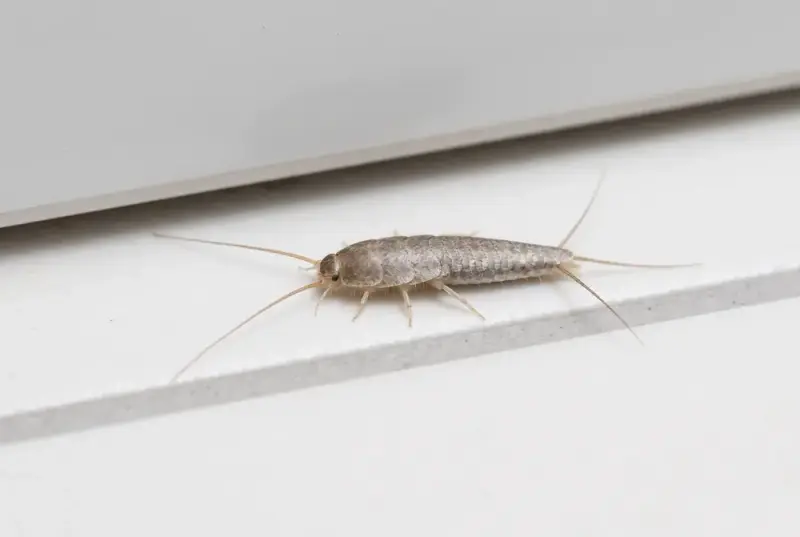
Silverfish
priced after the technician's inspection
Bed bug, flea, mite, moth and beetle prices rise with the number of bedrooms. For bed bugs, fleas, mites and cockroaches we send a preparation sheet first and visit once your home is ready. Evening and weekend visits are available on request, and a weekend visit costs £60 extra. Business sites are priced per site.
Local notes for Luton
Postcodes and areas
The Luton post town has four postcode districts: LU1 in the south, including Caddington and Slip End; LU2 in the east, including London Luton Airport; LU3 in the north; and LU4 in the west. Dunstable and Houghton Regis use LU5 and LU6, and Leighton Buzzard LU7.
Homes and property types
Luton grew between the wars by taking in Leagrave, Limbury and Stopsley, and large estates followed after 1945 at Farley Hill, Marsh Farm and Hockwell Ring. Across the borough, 22 per cent of homes are terraced and about a fifth are purpose-built flats (ONS, Census 2021). In terraces and converted houses, mice travel along shared walls and under floors, so treating one house while the neighbours do nothing can let them back in. In flats and HMOs, bed bugs move between rooms on furniture and bags.
Rivers, parks and industrial estates
The town sits in a gap in the Chiltern Hills, on the River Lea, which runs through Wardown Park. Homes near watercourses, culverts and parks tend to see more rat activity, as do streets where bins and bulky waste wait for collection. The warehouses and industrial units beside the M1 and around the airport carry the commercial risks: loading bays, food storage and waste compounds.
Nearby: ant treatment in Watford.
Your questions, answered.
Which postcodes does Luton use?
The Luton post town covers LU1 to LU4, with Dunstable and Houghton Regis on LU5 and LU6 and Leighton Buzzard on LU7. Give your full postcode when you call 0800 059 0135 or send the form, and say which pest you have seen and where.
Do you work with Luton letting agents and landlords?
Send us the details and we will say what we can offer. At the 2021 census, 29 per cent of Luton households lived in private rented homes, and agents and landlords want a written record of what was found and treated. If we take the job, we send the visit report to whoever instructed us and can check neighbouring flats where you arrange access.
Can you treat a flat in a shared block?
Send us the details and we will say what we can offer. In a block, bed bugs, cockroaches and mice move between flats through service ducts, wall cavities and shared bin stores, so if we take the job we inspect the flat that reported the problem and ask the managing agent for access to the flats around it and the communal areas. Treating one flat on its own tends to let the problem come back.
Who deals with wasps, bed bugs and fleas in Luton?
For wasps, bed bugs, fleas and other pests, call us on 0800 059 0135 and we will say what we can offer.
How does a pest contract work for units near Luton Airport and the M1?
Industrial units, warehouses and food businesses can take a contract with scheduled visits, monitoring and a written report after each visit. If you run sites in Luton and in other towns, one contract can cover them all, with one account contact and one reporting format.