Pest control in Doncaster
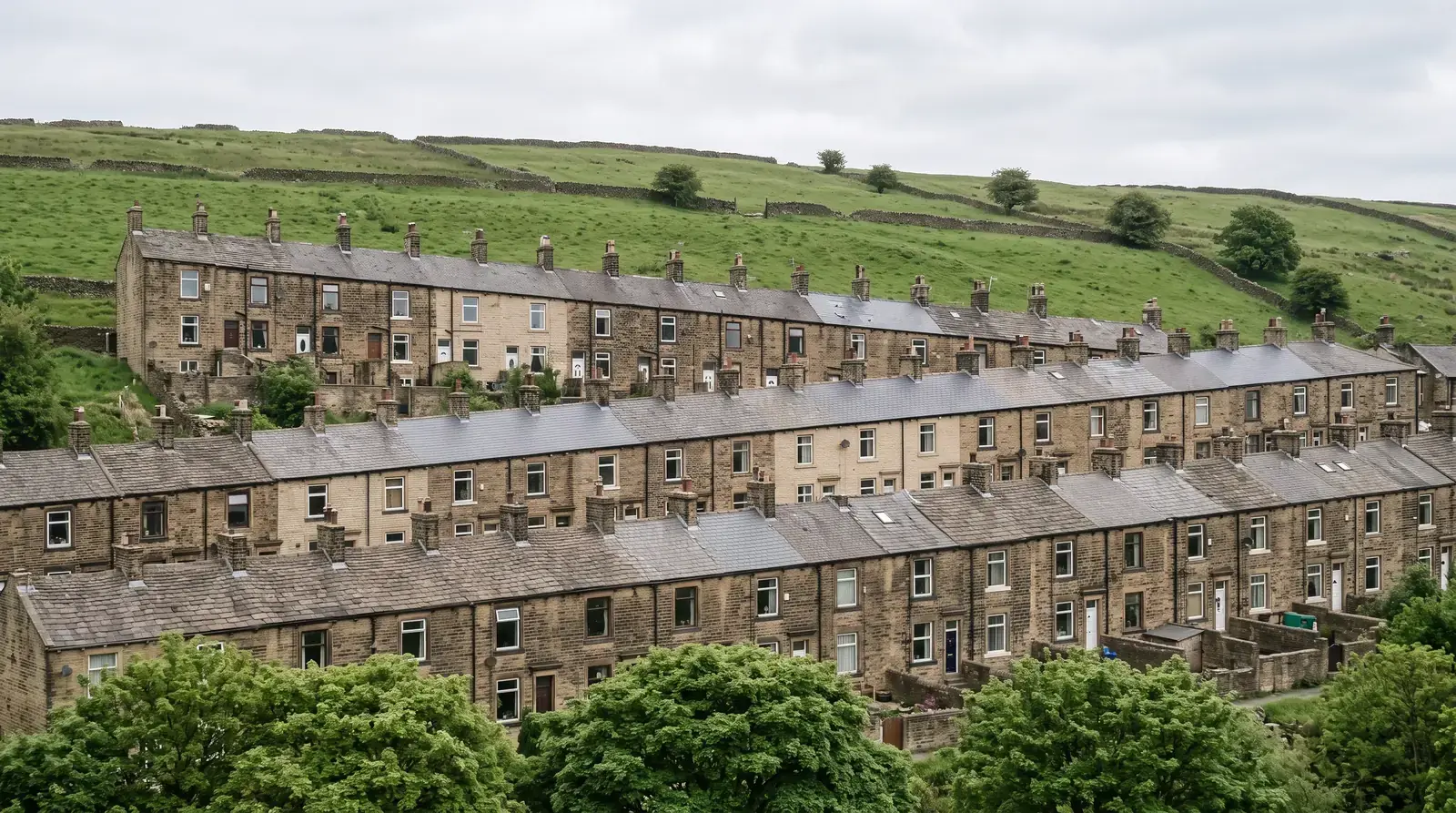
Homes and businesses in Doncaster are covered by A1 Pest Control. Doncaster takes its name from the River Don, and the Don valley runs open beside the town centre, with a floodplain to the north-east. Rats follow water, food and cover, so food premises, yards and depots near the river or its drains carry more risk. Nearly half of the city’s households (45.5 per cent) live in semi-detached houses, where lofts and eaves give wasps and mice an easy way in. Tell us your DN postcode, the type of premises and what you have noticed, and we will say whether we can take the job on a contract.
Which pests do we treat in Doncaster?
Starting prices
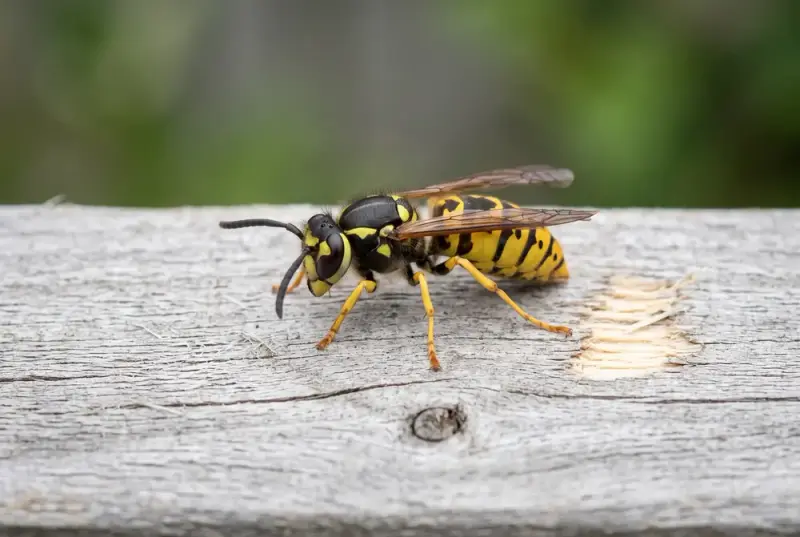
Wasp nest
from £170
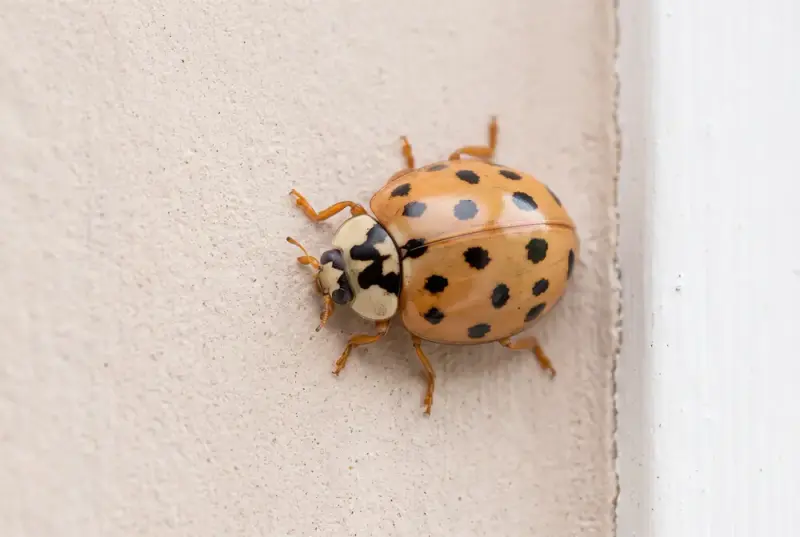
Ladybirds
from £190
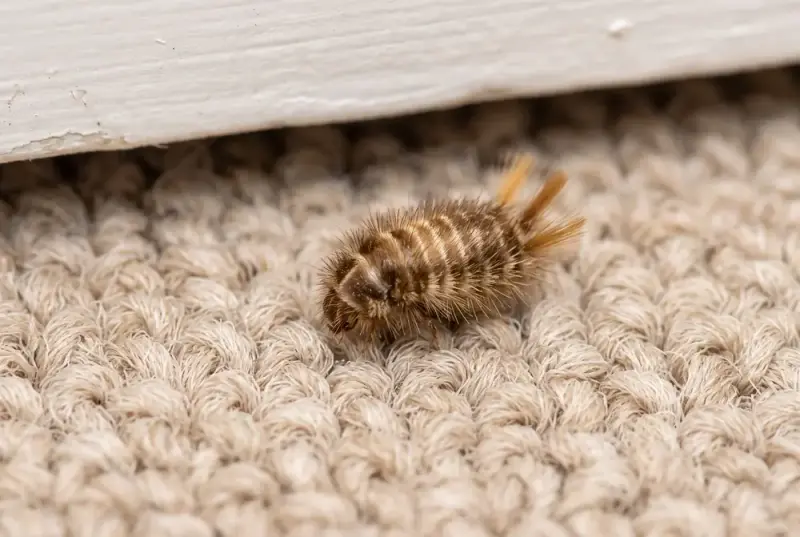
Carpet beetles and biscuit beetles
from £195
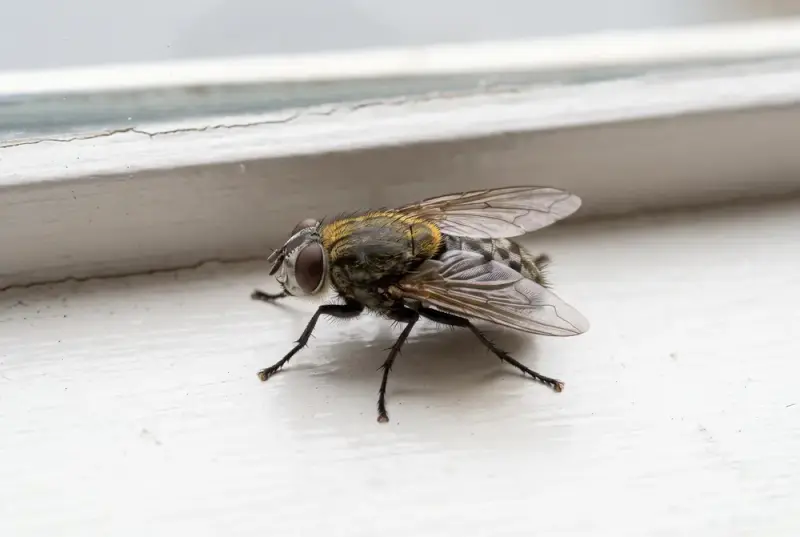
Cluster flies
from £200
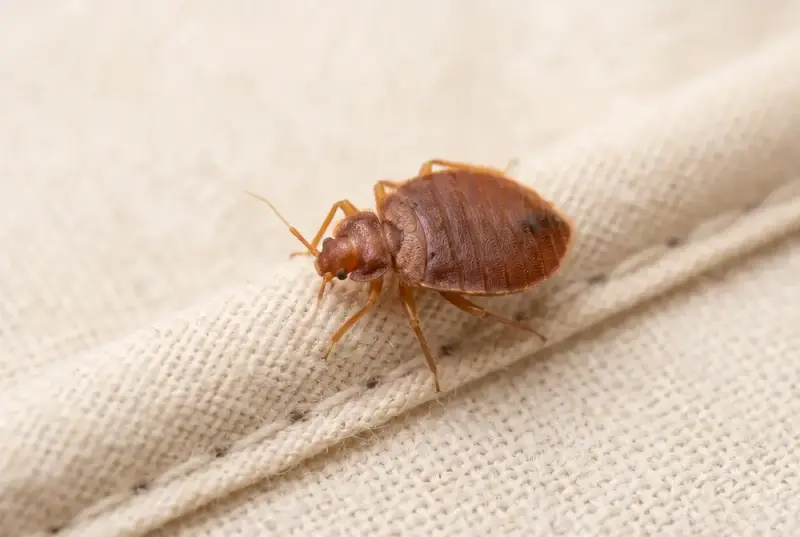
Bed bugs, fleas, mites and moths
from £210
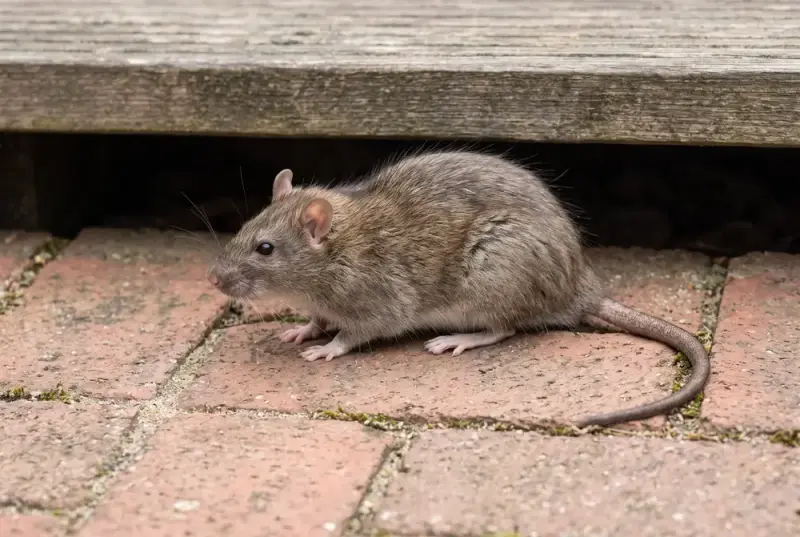
Rats, mice, squirrels and ants
from £240
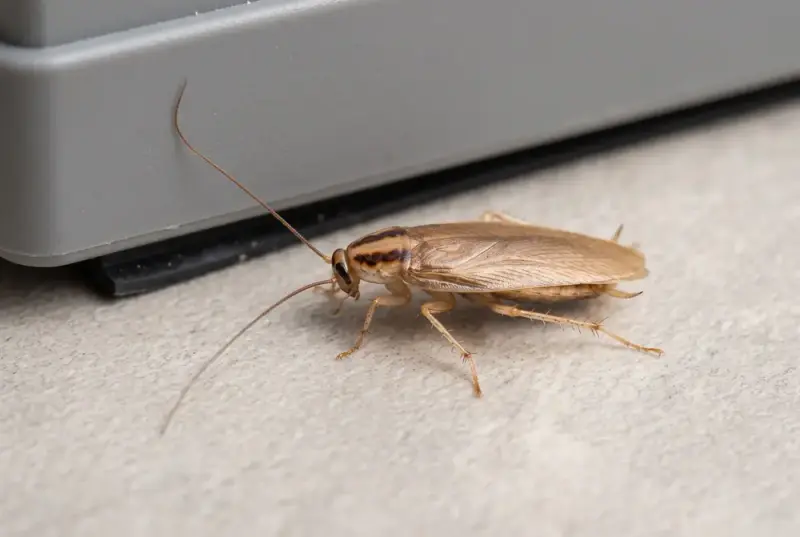
Cockroaches
£550 for five weekly visits
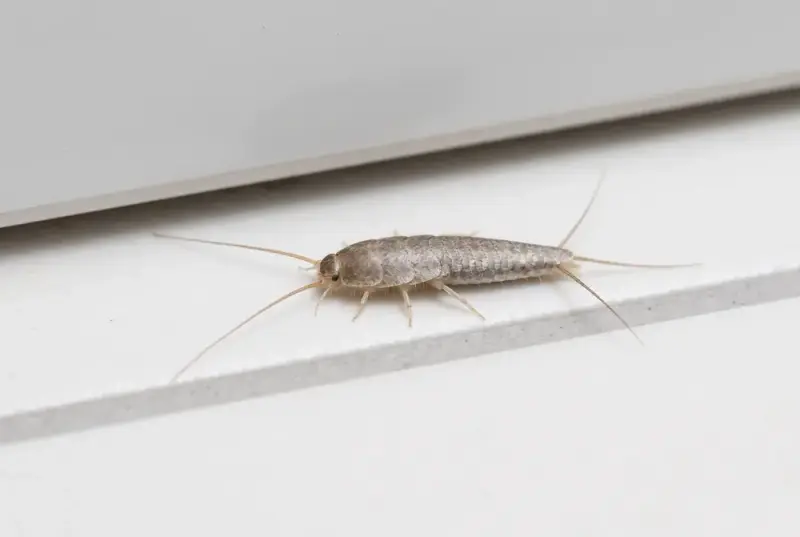
Silverfish
priced after the technician's inspection
Bed bug, flea, mite, moth and beetle prices rise with the number of bedrooms. For bed bugs, fleas, mites and cockroaches we send a preparation sheet first and visit once your home is ready. Evening and weekend visits are available on request, and a weekend visit costs £60 extra. Business sites are priced per site.
Local notes for Doncaster
Postcodes and areas
DN1 covers the town centre, Hexthorpe, Balby North, Warmsworth and Edlington, and DN2 runs out through Wheatley Hills, Intake, Edenthorpe and Kirk Sandall. DN3, DN7 and DN8 reach the north and east: Armthorpe, Hatfield, Stainforth, Barnby Dun, Thorne and Moorends. DN4 and DN5 take in Balby, Bessacarr, Rossington, Bentley and Sprotbrough, and DN12 covers Conisbrough. Several districts cross into Barnsley, Rotherham, Wakefield or Bassetlaw.
Homes and landlords
Semi-detached houses are the biggest group in the borough at 45.5 per cent of households, ahead of detached (24.1 per cent) and terraced (21.1 per cent). Only 6.4 per cent live in a purpose-built flat. Owner-occupiers make up 62.8 per cent, private renters 19.4 per cent and social renters 17.0 per cent (ONS Census 2021, TS044 and TS054). Houses with lofts, garages and garden sheds suit wasps in summer and mice in autumn.
The Don, the carrs and the moors
The floodplain of the River Don north-east of the centre has seen floods in 2007 and 2019. Potteric Carr nature reserve lies to the south, and Thorne and Hatfield Moors, east of the city, make up the largest lowland peat bog in the UK. A green belt keeps open land beside many Doncaster suburbs, so a yard or a food store can back onto a field edge or a ditch. Homes and businesses beside watercourses and open ground tend to see more rat activity.
Railway and coal roots
Doncaster joined the railway network in 1848, and the Great Northern Railway built its plant and carriage works here in 1853, followed by the Carr depot in 1876. Coal-mining villages grew to the east from the 1850s. Older brick buildings, yards and depots have more gaps at eaves, air bricks and pipe runs than a new-build unit, and a site with several tenants needs one agreed plan so a treatment in one unit does not push pests into the next.
Your questions, answered.
Can A1 treat my home in Doncaster?
Yes. A1 Pest Control looks after homes and businesses in Doncaster. Send your postcode, the type of property and what you have seen.
Which postcodes does Doncaster use?
Doncaster uses DN1 to DN12, with the centre in DN1 and DN2, Armthorpe and Hatfield in DN3, and Thorne in DN8. Several of these districts run across the borough boundary into Rotherham, Barnsley or Bassetlaw, so send your full postcode with the form or call 0800 059 0135.
Do rats gather near the River Don?
Homes and businesses near watercourses tend to see more rat activity, because rats follow water, food and cover. The Don floodplain north-east of the centre has seen floods in 2007 and 2019. After any flood, check drain covers, outbuildings and bins, and tell us what you find: where, how many and how long it has been going on.
Do wasps nest in Doncaster semi-detached lofts?
They can. Semis are the most common home in the borough at 45.5 per cent, and a queen looks for a sheltered cavity: a loft, the eaves, a garage roof or a shed. Watch for wasps flying in and out of one gap on a warm afternoon. Do not block the hole. Our wasp removal page lists the signs and the treatment steps.
What do food businesses in Doncaster have to do about pests?
Food businesses must have adequate procedures to control pests under food hygiene law, and environmental health officers can close premises where pest activity puts health at risk. Keep a written log of visits, sightings and treatments.