Pest control in Amersham
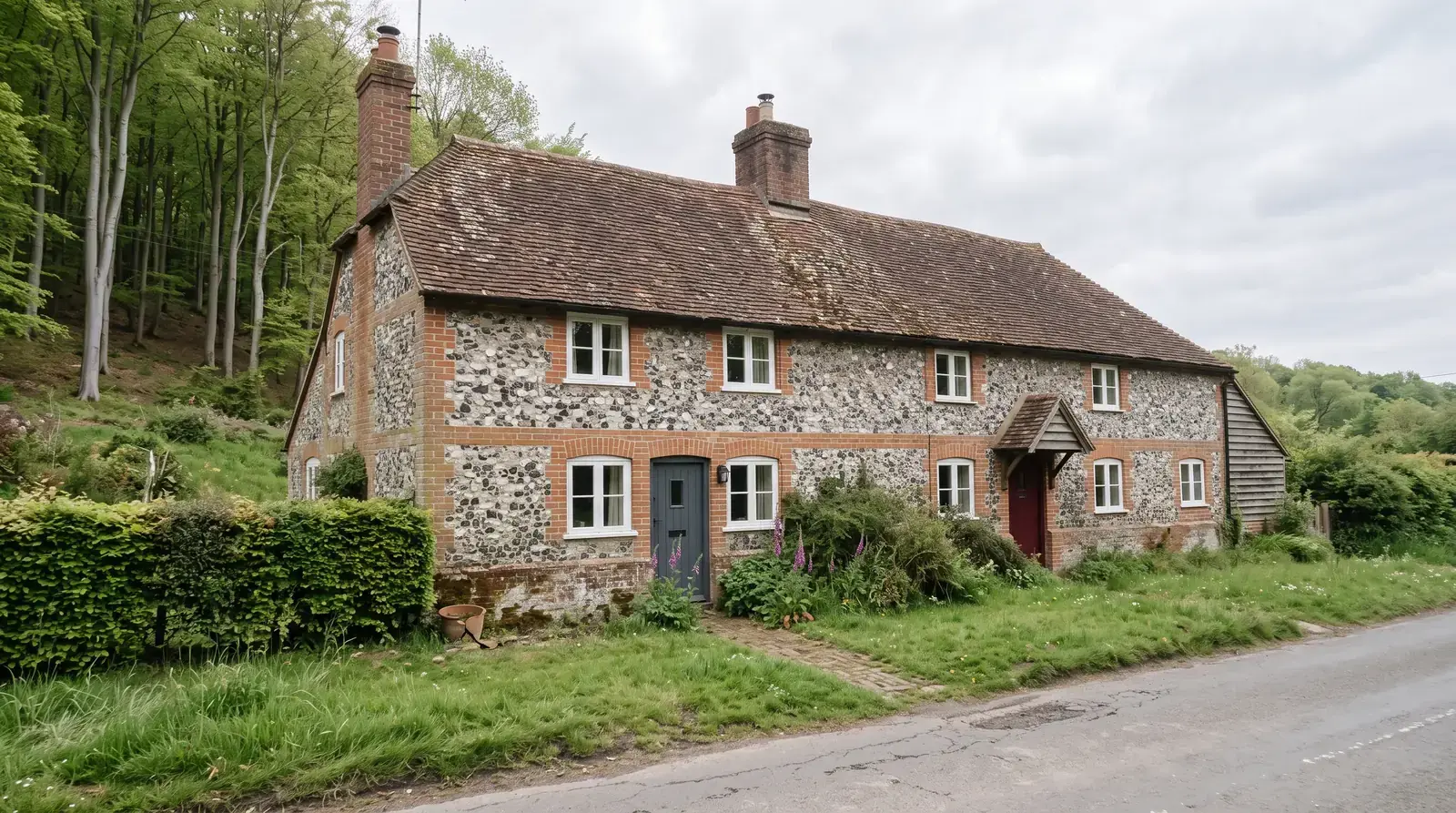
In Amersham, A1 Pest Control takes on homes and businesses. Amersham is a market town in the Chiltern Hills, in two parts: Old Amersham in the Misbourne valley, and Amersham on the Hill, which grew around the station after the railway arrived in 1892. Detached houses are home to 39.7% of households in the Amersham and Chesham Bois ward, which holds 4,218 in all; semi-detached homes house 22.7%, flats 19.7% and commercial buildings, for example over a shop, 1.9% (ONS, Census 2021). At businesses, pests are not treated by Buckinghamshire Council. When you get in touch about a pub, shop, office or block of flats in HP6 or HP7, we ask for your postcode, what kind of premises it is and what you have found.
Which pests do we treat in Amersham?
Starting prices
Wasp nest
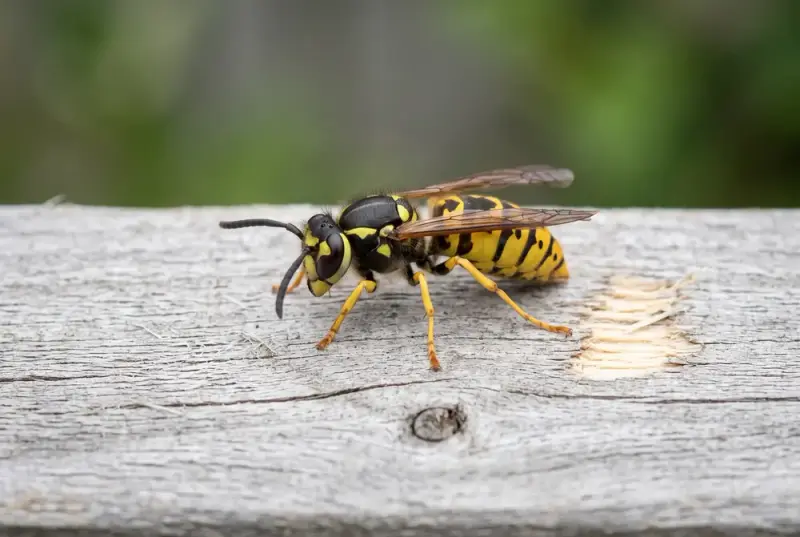
from £170
Ladybirds
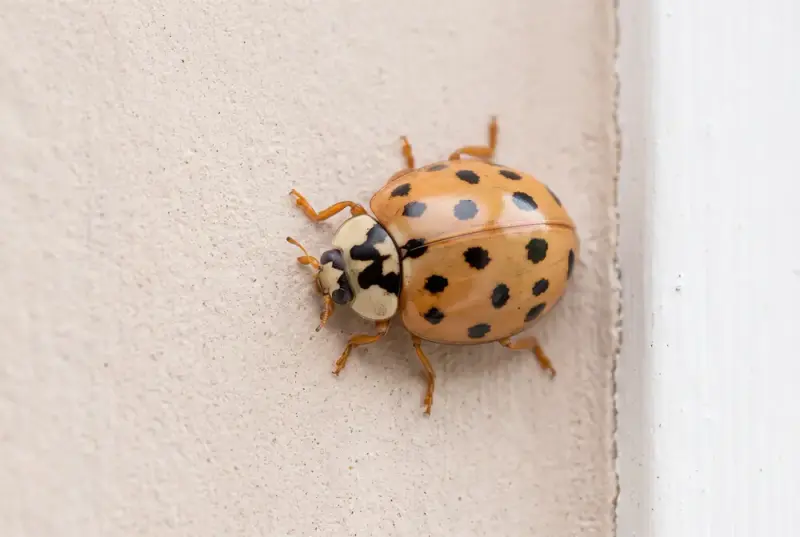
from £190
Carpet beetles and biscuit beetles
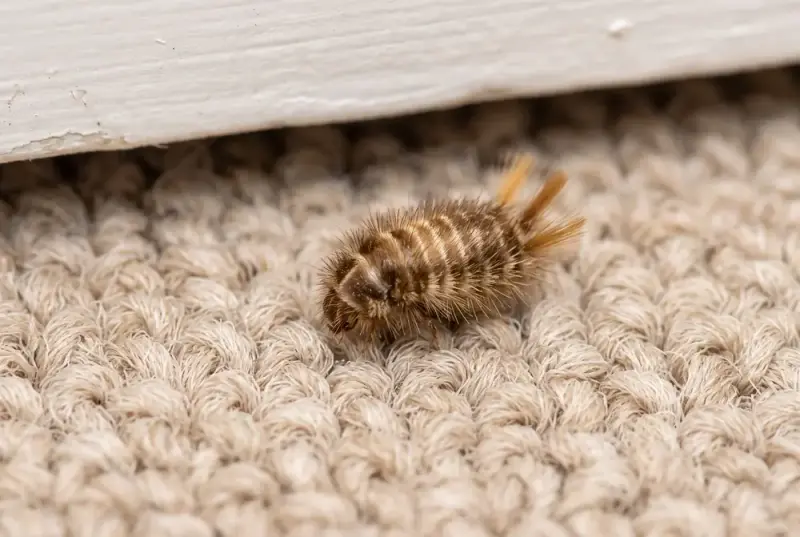
from £195
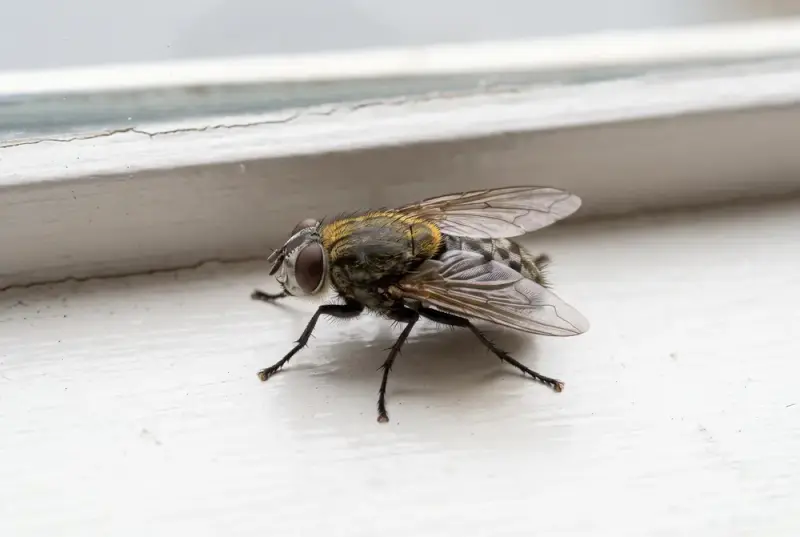
Cluster flies
from £200
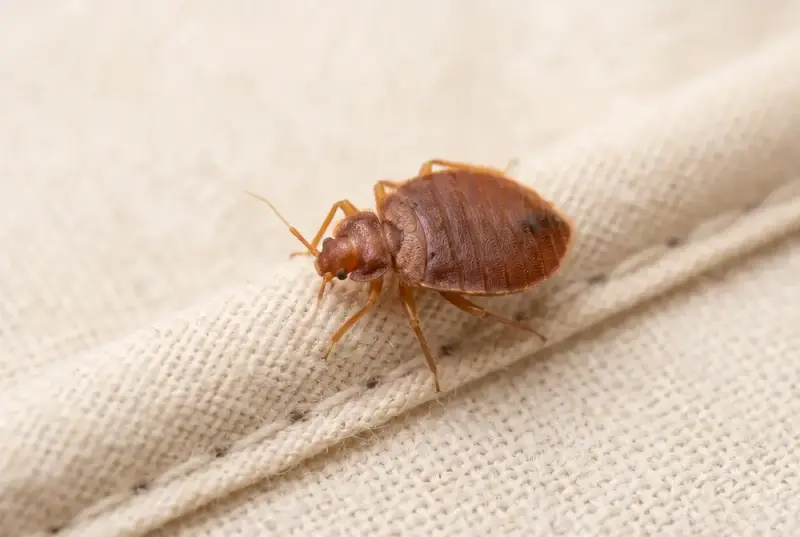
Bed bugs, fleas, mites and moths
from £210
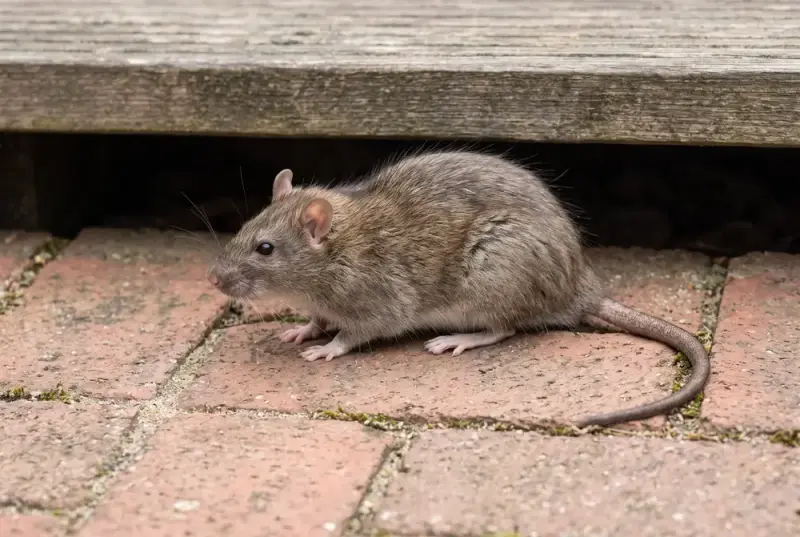
Rats, mice, squirrels and ants
from £240
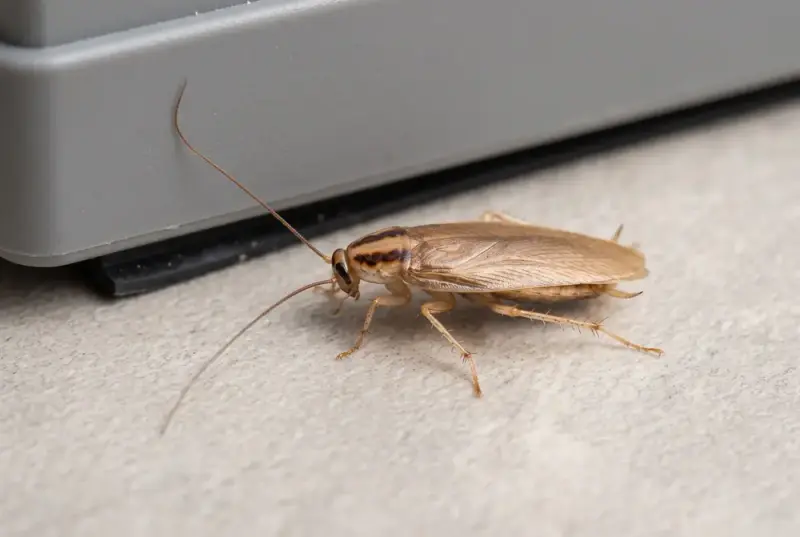
Cockroaches
£550 for five weekly visits
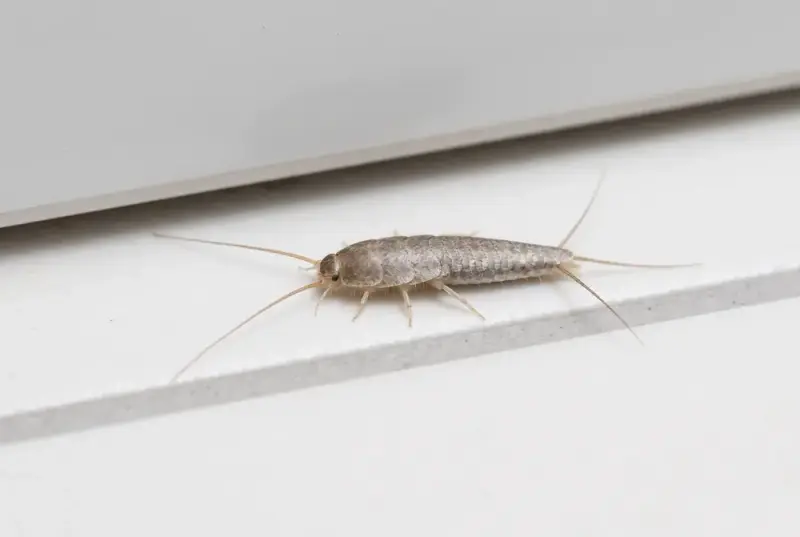
Silverfish
priced after the technician's inspection
Bed bug, flea, mite, moth and beetle prices rise with the number of bedrooms. For bed bugs, fleas, mites and cockroaches we send a preparation sheet first and visit once your home is ready. Evening and weekend visits are available on request, and a weekend visit costs £60 extra. Business sites are priced per site.
Local notes for Amersham
Postcodes and areas
postcodes.io lists HP6 in Buckinghamshire alone, across the parishes of Amersham, Chesham Bois, Chartridge, Little Chalfont and Little Missenden. HP7 takes in Amersham, Coleshill, Penn, Little Missenden and Beaconsfield. HP5 around Chesham reaches into Dacorum, and HP8 around Chalfont St Giles reaches into Three Rivers (postcodes.io).
Old Amersham sits on the valley floor of the River Misbourne, with a Grade I listed parish church that dates from the 13th century (Buckinghamshire Council; Historic England).
Sir William Drake built the Market Hall in 1682, and its open ground floor is still used for markets. A notice above the old lock-up reads “COMMIT NO NUISANCE” (Amersham Museum).
Amersham on the Hill
The railway arrived in 1892, and the area was Amersham Common before it. Amersham station is now the terminus of the Metropolitan line. Amyas Connell’s modernist house High & Over, built in 1930, is Grade II* listed (Historic England).
Pubs, shops and flats
Private landlords house 15.4% of households in the Amersham and Chesham Bois ward, and flats are home to 19.7% (ONS, Census 2021). What each type of site needs is set out on our pages for retail and hospitality, food premises and property management.
Your questions, answered.
Does Buckinghamshire Council treat pests at an Amersham business?
A business, including a house in multiple occupation, must make its own arrangements.
Which pests will Buckinghamshire Council not treat in Amersham?
The council says it does not treat honey bees, wild birds such as pigeons, bats, Glis glis, silverfish or squirrels. GOV.UK says the law protects all bat species, their breeding sites and resting places, and that the Bat Conservation Trust gives free advice on bats in a building.
Do edible dormice live in Amersham lofts?
The Mammal Society says Walter Rothschild introduced the edible dormouse, Glis glis, in 1902, and it now lives only in the Chilterns and adjacent woodlands, with most of its range within 35km of Tring. It often lives in buildings, including occupied houses, and is active at night. The council lists Glis glis among the pests it does not treat, so a home or business must arrange its own help.
What do silverfish in an Amersham shop or house point to?
The British Pest Control Association says silverfish are about 12mm long, silver-grey and wingless, and live in damp areas such as kitchens and bathrooms. They feed on glue, wallpaper paste and other starchy residues. Their presence may indicate damp conditions that need attention, and the advice is to correct any persistent dampness. Buckinghamshire Council does not treat silverfish.
Is a noise in an Amersham loft before dawn a squirrel?
The British Pest Control Association says grey squirrels are most active before sunrise, with activity peaking four to five hours before daybreak, and that they can damage roof spaces. Edible dormice are active at night too, so identify the animal before you act. It is against the law to release a grey squirrel that has been caught alive, and the council does not treat squirrels.