Pest guide
Rodent control: signs, treatment and prevention
Rats and mice: which one you have and what we do.
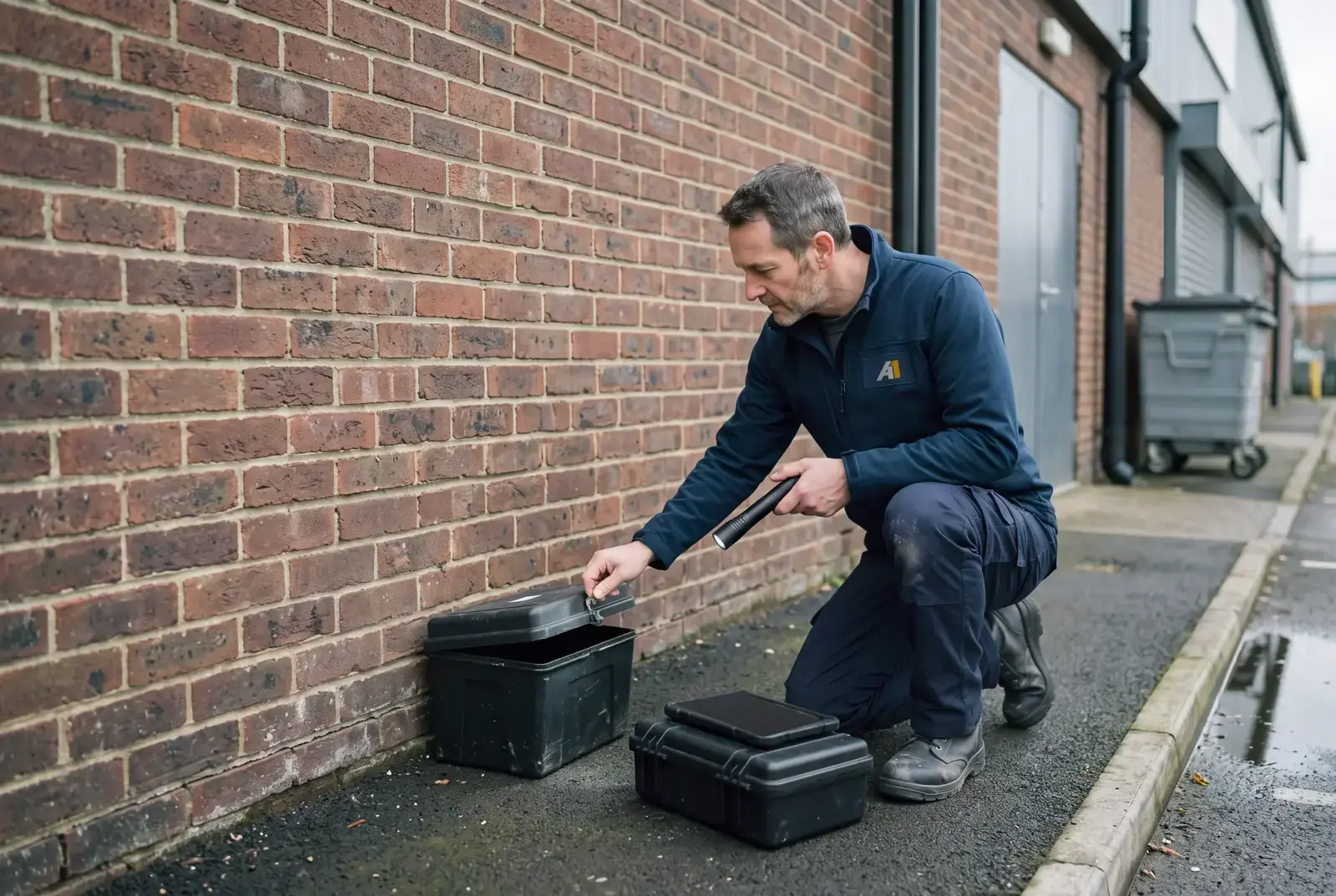
Rodent control starts with working out whether you have rats or mice, because each needs a different treatment. Rats leave 1 to 2 cm droppings and often live outside or under floors. Mice leave 3 to 6 mm droppings and nest indoors. A1 Pest Control identifies the rodent at the survey, treats it, and seals the way in.
What signs should I look for?
Most people call us with one clue: droppings in a cupboard, a noise in the ceiling, or a hole by the shed. Put the clues together and in most cases the answer is clear.
| Clue | Rats | Mice |
|---|---|---|
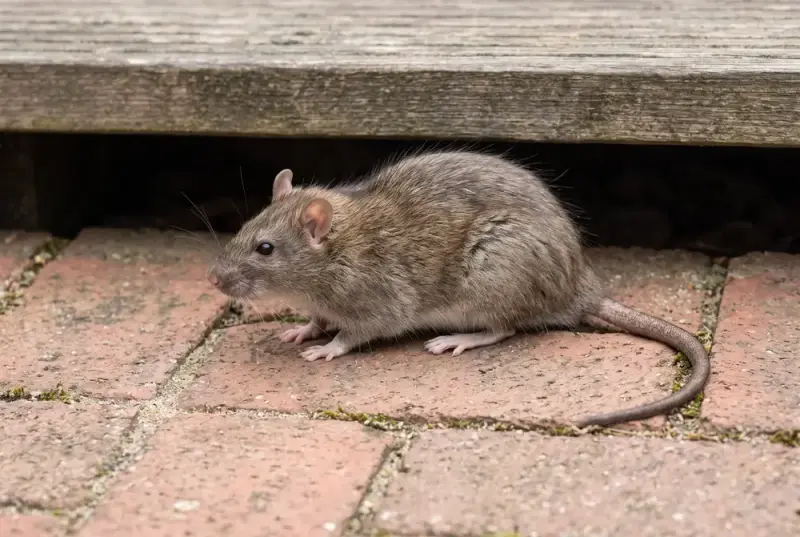
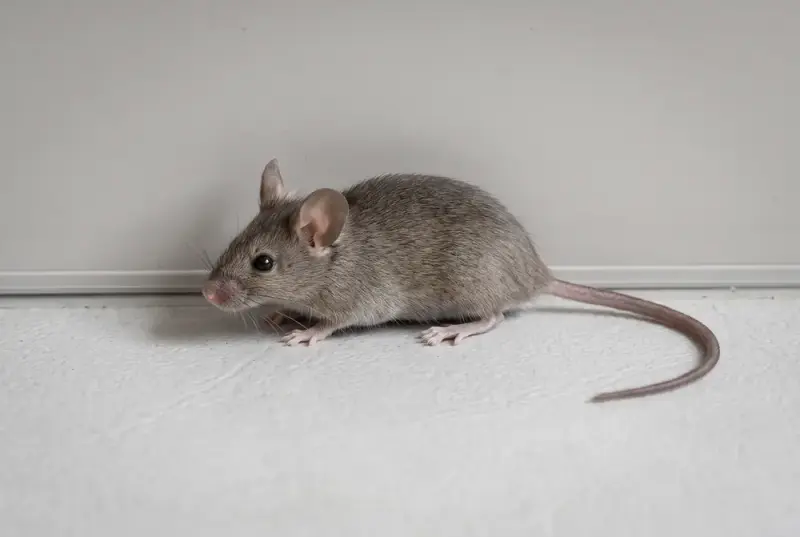
| Droppings | Dark, about 1 to 2 cm, pointed, grouped in clusters | Black, 3 to 6 mm, like grains of rice, scattered |
| Size | About 23 cm body, thick tail shorter than the body | 6 to 9 cm body, thin tail as long as the body |
| Noise | Heavy scratching and gnawing at night | Light, fast scurrying at night |
| Where you find signs | Gardens, sheds, drains, under floors, lofts | Kitchens, boiler cupboards, behind appliances, lofts |
| Holes | Burrows outside, often beside walls | Small holes in skirtings and kickboards |
| Gap they can use | About 15 mm | About 5 mm |
Could it be something else?
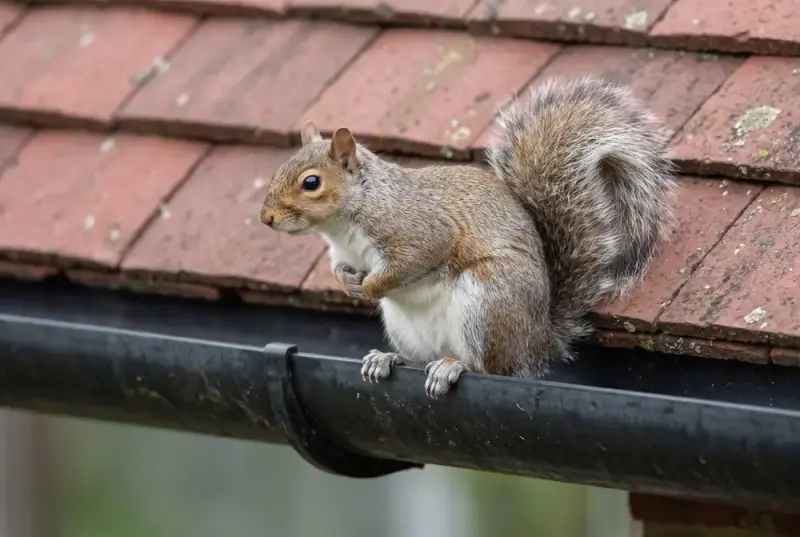
- Grey squirrels: loud running and thumping in the loft early in the morning and at dusk, rather than through the night. See squirrel removal.
- Voles and shrews: small animals seen in gardens, often mistaken for mice. Shrews are not rodents: water voles are fully protected under the Wildlife and Countryside Act 1981, and shrews are protected from some methods of killing or trapping, so both are left alone.
- Wood mice: also called long-tailed field mice, with large ears and eyes. They sometimes come into buildings in autumn and winter looking for warmth, and we treat them as for house mice.
Why are they a problem?
Rats and mice cause the same kinds of harm, but their habits differ, and a treatment set up for one can miss the other.
Why the difference matters
Rats are cautious. They avoid new objects in their runs for days, travel further to feed and often live outside, so treatment covers the garden, drains and the outside of the building as well as the inside. Mice feed little and often from many spots near their nest, so stations go closer together indoors, and proofing has to deal with gaps as small as 5 mm. Treating mice with a rat set-up, or rats with a mouse set-up, wastes visits.
Health and damage
Both can carry salmonella, which rodents shed in their droppings, and both contaminate food and surfaces with urine and droppings. Rats also carry leptospirosis (Weil’s disease), which the UK Health Security Agency links to direct contact with rodents. Both gnaw cables, pipes and woodwork, and both breed fast: a female brown rat can breed every six weeks.
Your legal duties
Under the Prevention of Damage by Pests Act 1949, the occupier of land other than farmland must tell the local council in writing if rats or mice are living there in substantial numbers. Councils have a duty to keep their districts free of rats and mice as far as practicable, and can serve a notice on an owner or occupier to deal with an infestation. Food businesses must also have adequate pest control procedures under food hygiene law.
How do we get rid of them?
- Identify the rodent. The technician checks droppings, runs, gnawing and nests to confirm whether it is rats, mice or both, and how many.
- Find the way in. We trace entry points: drains, air bricks, gaps around pipes and doors, and the roofline.
- Treat to suit the species. For rats, bait stations or traps on outside runs and in voids, with time for them to accept the stations. For mice, stations or traps placed close together near nests and feeding spots indoors. All bait goes in tamper-resistant stations.
- Follow up. We check bait take, move stations to where activity continues, and remove dead rodents and spent bait.
- Proof and advise. We seal the entry points with materials rodents cannot gnaw, and tell you what changes around bins, compost and storage will keep new ones out.
Professional rodenticides are sold only to trained users under the UK stewardship scheme run by CRRU UK (no proof of competence, no supply), and its code asks users to try lower-risk methods first. That is why we use traps and proofing wherever they will work.
Homes and business premises
For homes
Tell us what you have found and where, and we will tell you on the phone whether it sounds like rats or mice. At the visit we confirm it, treat inside and out as needed, keep bait away from children and pets, and show you the gaps to fix. You get a fixed price before any work starts.
For businesses
For warehouses, food premises, offices and managed property, rodent control works best as a contract: a site survey, a numbered plan of bait stations and monitors, scheduled visits, proofing, and a written report after every visit. That record is what an auditor or environmental health officer asks to see. See commercial pest control and warehouse pest control.
How do I stop them coming back?
Rats and mice want the same three things: a way in, food and shelter. Take those away and they move on.
- Seal gaps around pipes, cables and doors. Rats can use about 15 mm, mice about 5 mm.
- Keep drain covers in good repair and fit mesh over damaged air bricks.
- Store food, pet food and bird seed in sealed hard containers.
- Keep bin lids shut and use a closed compost bin on a wire mesh base.
- Clear woodpiles, rubbish and dense vegetation from beside buildings.
- Store items in lofts, garages and stockrooms in sealed crates, off the floor.
How much does treatment cost?
Rats and mice are priced the same:
- Standard treatment: £280, covering 2 visits
- Humane treatment with cage traps and no poison: £240
A third visit on a standard treatment costs £95, and a treatment never runs to more than three visits. Each cage check on a humane treatment costs £95. Weekend visits cost £60 extra. We price commercial contracts per site, on the visit frequency.
Your questions, answered.
Do I have rats or mice?
Look at the droppings first. Rat droppings are about 1 to 2 cm long and grouped together. Mouse droppings are 3 to 6 mm, like grains of rice, and scattered. Heavy gnawing noises and burrows outside point to rats. Light scurrying and droppings in kitchen cupboards point to mice. If you are unsure, tell us what you have found and we will help you work it out.
Can you have rats and mice at the same time?
Yes. A building with easy food and several ways in can have both, often in different places: rats outside, in drains or under floors, and mice in the kitchen or loft. The survey checks for both. If both are present we set up the treatment for each species, because one plan does not suit both.
What is a rodent control contract?
A rodent control contract is a programme of scheduled visits to a business site. It starts with a survey and a plan of bait stations and monitors, then each visit checks for activity, treats where needed, recommends proofing and ends with a written report.
Do you use poison?
Sometimes. Professional rodenticides are only sold to trained users under the UK stewardship scheme, and we place them in tamper-resistant stations out of reach of children, pets and wildlife. Where traps and proofing will do the job, for example a few mice in a kitchen or a home with pets that roam, we use those instead.
Is the noise in my loft rats, mice or squirrels?
Squirrels are active in daylight, so noise early in the morning and at dusk points to squirrels, often with heavier thumps. Rats and mice are active at night: rats sound heavier and gnaw, mice sound light and quick. Droppings help too, so look in the loft for them before you call. Tell us when you hear the noise and what you have found.
Do I have to tell the council about rats or mice?
The Prevention of Damage by Pests Act 1949 says the occupier of land, other than farmland, must tell the local council in writing if rats or mice are living there in substantial numbers. Councils have a duty to keep their districts free of rodents as far as practicable and can serve notices requiring treatment.
Tell us what's happening.
Share your postcode and the signs you have noticed.